
When you’re serious about diving but also serious about not paying airline baggage fees, your BCD choice matters. I’ve watched enough divemasters struggle with oversized, heavy BCDs at airport check-ins to know that travel-friendly gear isn’t just a luxury—it’s essential for anyone who dives more than once or twice a year at different locations.
The travel BCD market has evolved significantly. Today’s lightweight options aren’t the flimsy compromise they used to be. Modern materials and smart design mean you can have a BCD that packs small, weighs little, and still performs reliably on a drift dive in Cozumel or a wall dive in Bonaire. The key specifications that separate a true travel BCD from a regular one include weight (ideally under 2.5 kg), packability (should fold flat without rigid components), and quick-dry materials that won’t have you lugging around water weight.
What Makes a Good Travel BCD
Weight is the obvious starting point. Every kilogram counts when you’re trying to stay within airline limits. But it’s not just about the scale—distribution matters too. A well-designed travel BCD balances weight between the bladder, harness, and hardware so it doesn’t feel back-heavy in the water.
Packability is where many BCDs fail. I’ve seen divers struggle to cram their BCDs into already-full bags. Look for models without rigid backplates or thick padding that prevents folding. The best travel BCDs can roll or fold flat into a corner of your bag.
Quick-dry materials are underrated until you’re in a humid tropical climate trying to pack a still-wet BCD. Mesh panels, drainage holes, and materials that don’t hold water make a real difference. Nobody wants to carry an extra 2 kg of absorbed water through the airport.
Integrated weight systems on travel BCDs need special consideration. You’re often dealing with rental tanks and weight in different configurations. A system that’s easy to adjust and accommodates various weight amounts without adding bulk is ideal.
Wing Style vs Jacket Style BCDs for Traveling
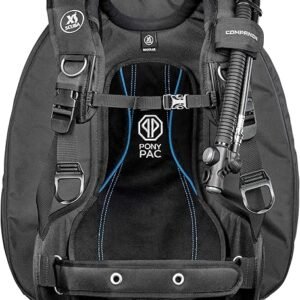
This debate shows up in every dive shop. Wing-style BCDs (back-inflate) are typically lighter and more streamlined. The bladder sits entirely on your back, which means less material overall and better trim in the water. They pack extremely flat since there’s no wraparound bladder. The downsides? They can feel less stable on the surface, especially for newer divers, and there’s a learning curve to getting comfortable with the different buoyancy characteristics.
Jacket-style BCDs wrap around your torso and provide buoyancy on the sides and front. They’re more intuitive for surface swimming and give you that upright feeling on the surface. For travel, the challenge is finding one that’s genuinely lightweight—many traditional jacket BCDs are overbuilt with padding and features that add weight. The newer travel-specific jacket designs have stripped away the bulk while keeping the stability.
My take after years of traveling with both: if you’re primarily a warm-water recreational diver and want the lightest possible setup, go wing-style. If you do a lot of surface work, photography, or prefer the familiar feel of a jacket, the newer lightweight jacket designs are excellent. Both styles have solid travel options now.
Quick Comparison Overview
| Model | Weight | Style | Best For |
|---|---|---|---|
| Zeagle Scout | Lightest option | Wing | Budget travelers |
| Zeagle Covert XT | 2.3 kg | Wing | Feature seekers |
| Mares Magellan | Ultra-light | Hybrid | Comfort lovers |
| Dive Rite Hydro Lite | 2.8 kg | Wing | Tech-oriented divers |
| ScubaPro Litehawk | Lightweight | Wing | Mid-range choice |
| ScubaPro Go | Moderate | Jacket | Traditional feel |
| ScubaPro Hydros Pro | Not very light | Hybrid | Premium option |
Budget-Friendly Travel BCDs Under $500
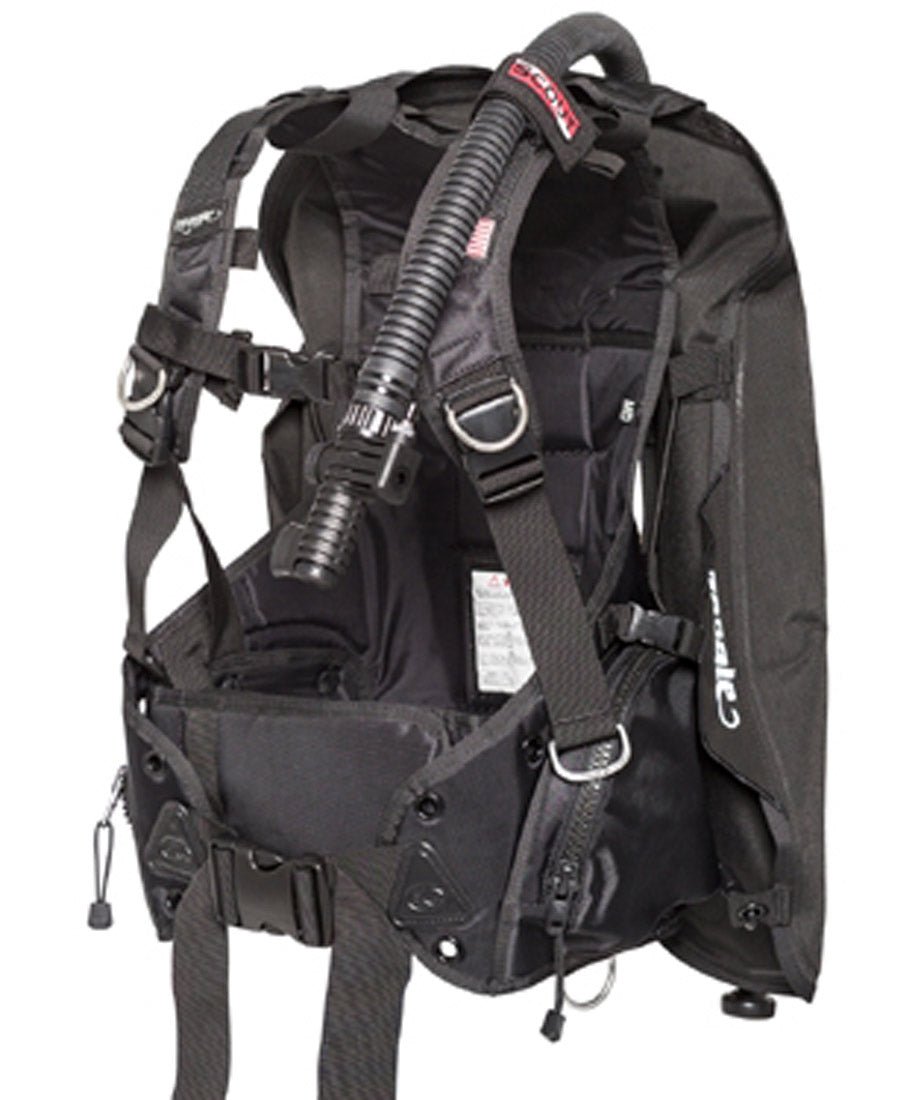
Zeagle Scout ($440)
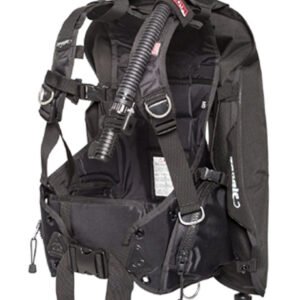
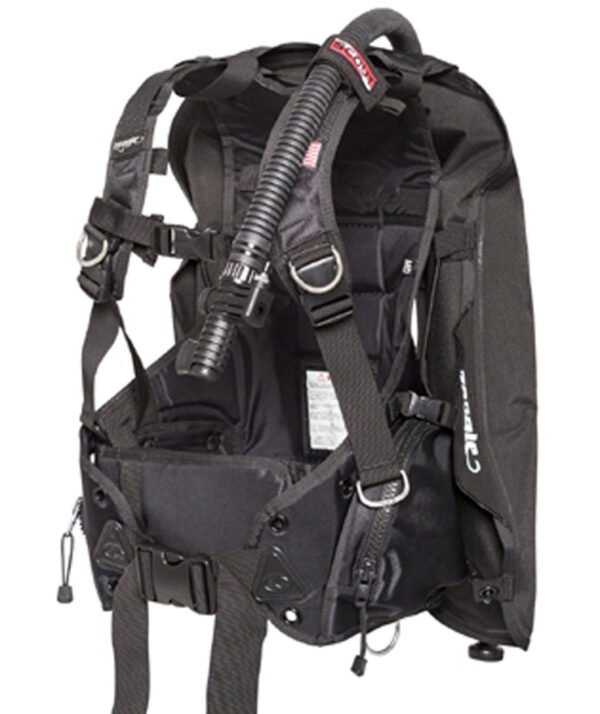
The Scout represents Zeagle’s approach to no-frills travel diving. This is a wing-style BCD that focuses on doing one thing well: being light and packable. The 24-lb lift capacity bladder uses 1000 denier fabric, which is robust enough for regular use while keeping weight down.
The integrated weight system uses rear-mounted pockets with touch-fastener releases. It holds up to 9 kg total, which covers most recreational diving scenarios. The elastic retractor on the bladder helps keep it compact when deflated, and the two zippered utility pockets provide basic storage without adding bulk.
What works here is simplicity. Two D-rings on the vest and two on the shoulders give you attachment points without overcomplicating things. The adjustable sternum strap and velcro cummerbund let you dial in the fit across different exposure suit thicknesses.
The Scout is best suited for recreational divers who want a reliable travel BCD without extra features they won’t use. It’s particularly good for divers on a budget who still want quality construction. The limitations are straightforward—minimal D-rings mean less flexibility for accessories, and the rear weight pockets won’t appeal to everyone.
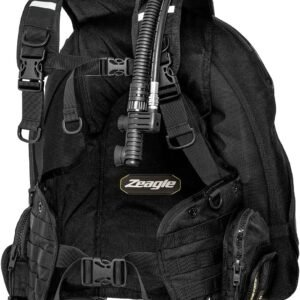
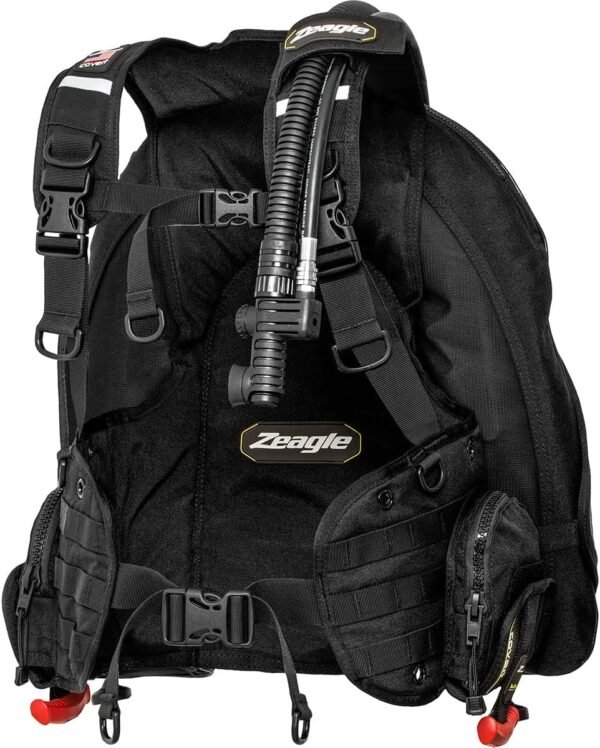
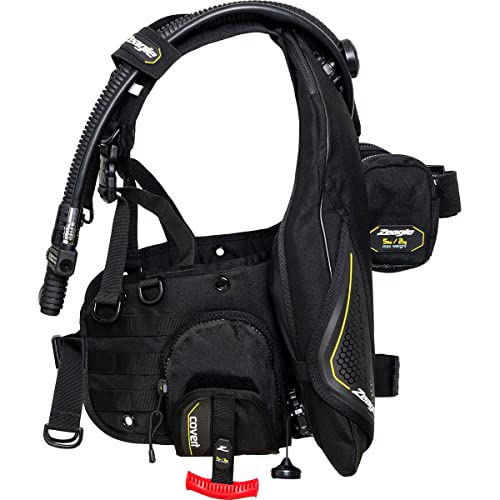
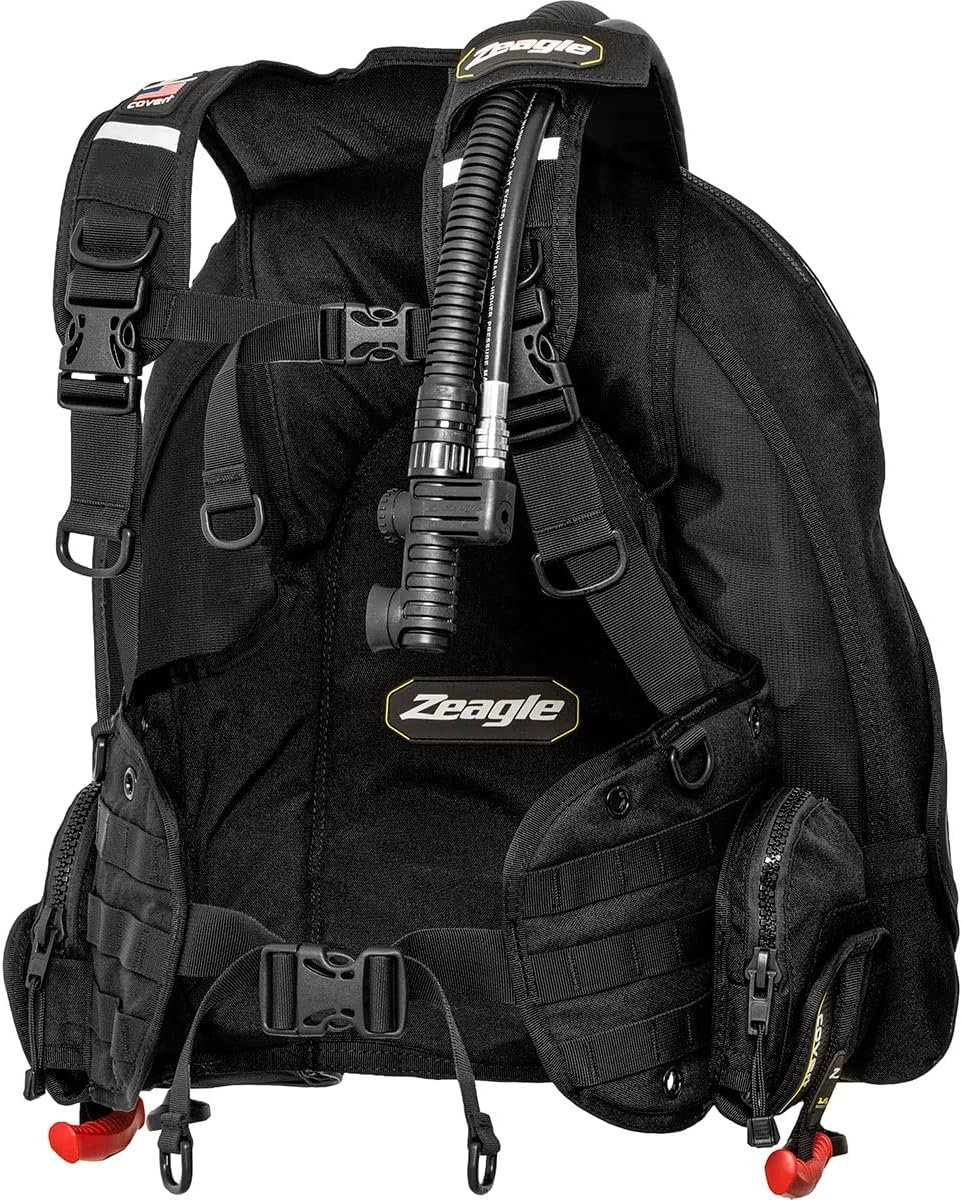
Zeagle Covert XT ($500)
The Covert XT builds on the Scout’s foundation with thoughtful upgrades. At 2.3 kg with the inflator, it’s impressively light for a feature-rich BCD. The MOLLE system is the standout addition—it lets you attach accessories and customize your setup without permanently modifying the BCD.
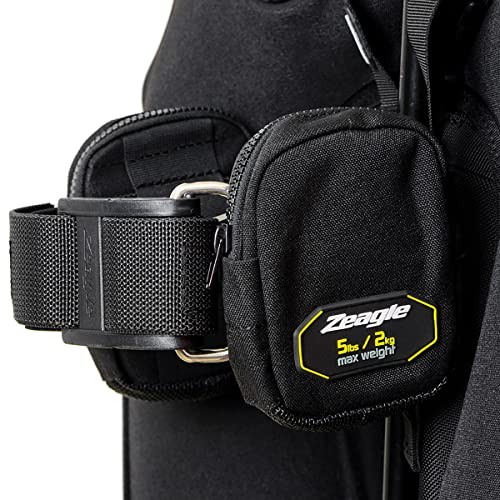
The weight system has been redesigned with larger pockets and improved releases. The added tank positioning strap and wider rubber row webbing make tank mounting more secure. The durable elastic material on the bladder prevents excess bulk while maintaining shape.
What sets this apart from the Scout is attention to comfort and modularity. Open cell foam padding on the shoulders and lumbar area adds comfort on long dive days without much weight penalty. The accessory trim pockets and knife mounting points on both sides show Zeagle thinking about divers who want options.
This BCD works well for divers who want more versatility than the Scout provides but aren’t ready to jump to premium pricing. It’s particularly suited to divemasters and instructors who need a travel BCD that can adapt to different situations. The cons are minor—it’s slightly heavier than the Scout, and the MOLLE system adds complexity some divers don’t need.
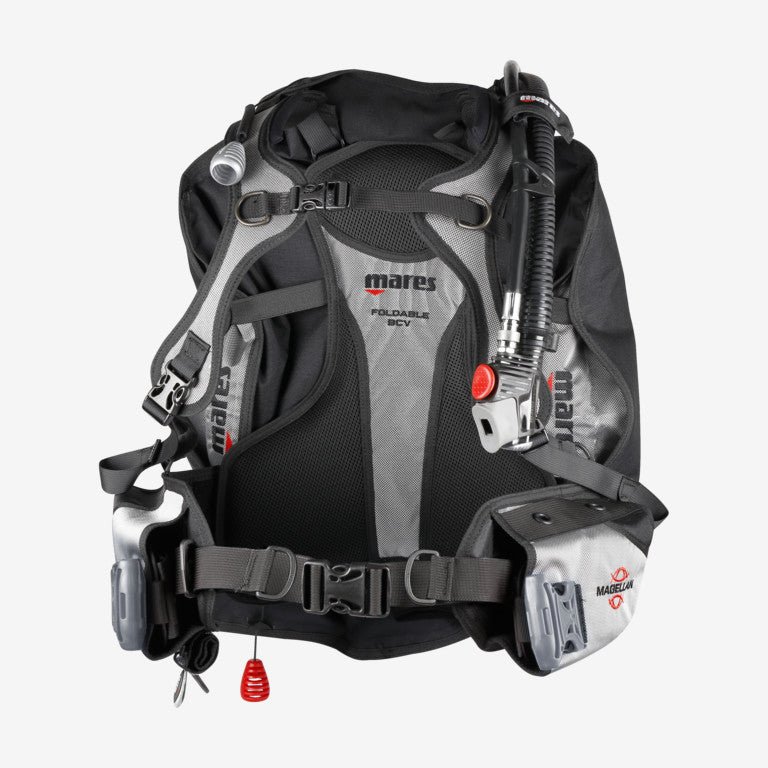
Mares Magellan ($500)
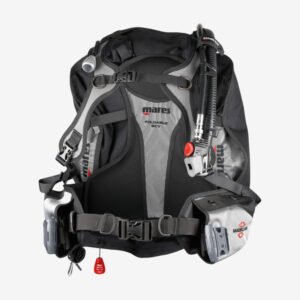
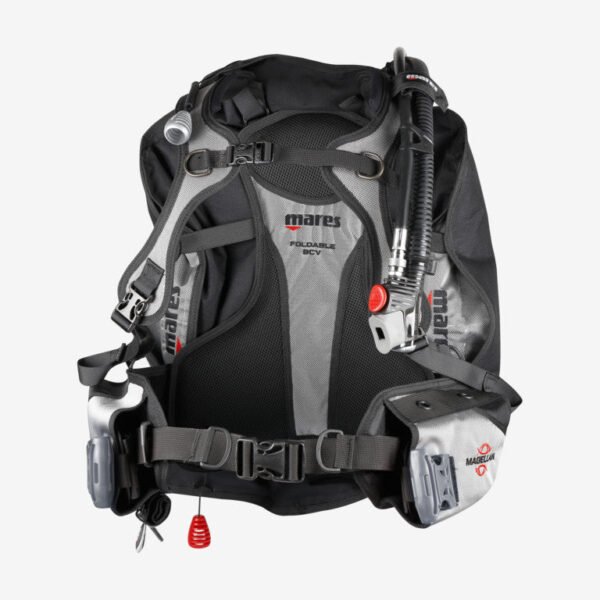
The Magellan takes a different approach. It’s a hybrid jacket-style BCD that’s been stripped down to essentials. Mares designed this specifically for travel—there’s no rigid backrest, so it folds completely flat. The ergonomic concave shoulder straps are a clever detail that reduces pressure on the chest and shoulders.
The integrated ballast system uses quick-release buckles and handles typical recreational weight loads. An optional trim weight system can mount on the tank strap for divers who need to fine-tune their balance. The single roll-up pocket keeps things minimal.
This BCD excels at being comfortable on the surface. The jacket design provides that familiar upright floating position, which photographers and surface swimmers appreciate. It’s genuinely lightweight—Mares focused on materials and construction that save weight without sacrificing durability.
The Magellan is ideal for divers who prefer jacket-style BCDs but need something travel-friendly. It’s particularly popular with female divers due to the ergonomic shoulder design. The main drawback is less storage than wing-style competitors, and some divers find the minimal features limiting for varied diving conditions.
-
 ×
×
Mares Magellan BCD
$499.95
Open full product pageLightweight foldable BCD with ergonomic design for serious traveling divers
00 -
 ×
×
Zeagle Scout BCD
$439.95
Open full product pageAffordable entry-level BCD with Zeagle durability for new divers
00 -
 ×
×
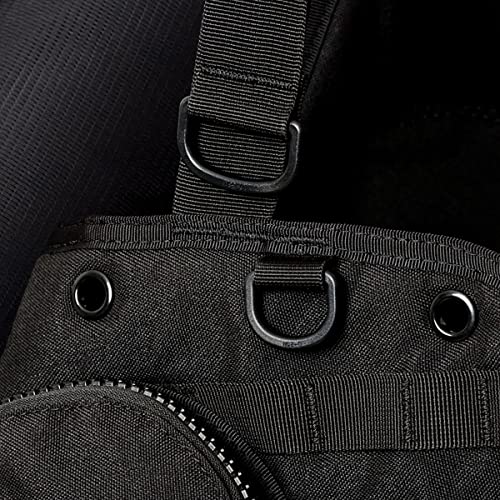
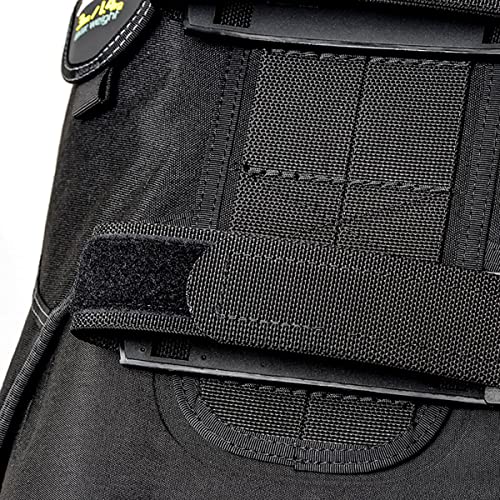
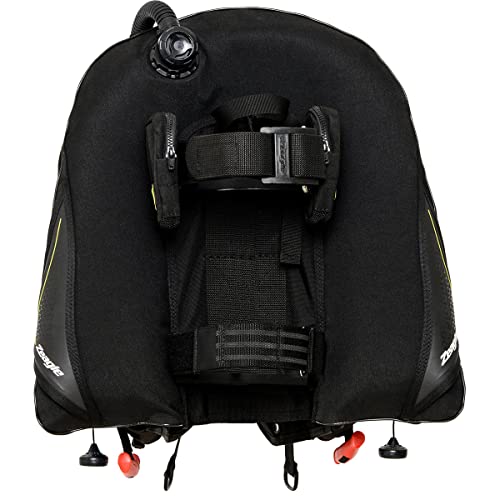
Zeagle Covert XT BCD
$499.95
Open full product pageRugged travel BCD with MOLLE customization for versatile mission-ready diving
00
Mid-Range Travel BCDs: $600-$750
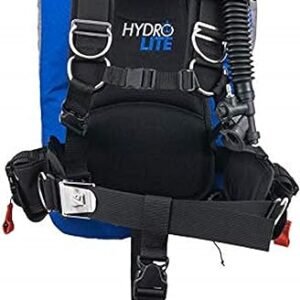
Dive Rite Hydro Lite ($629)
Dive Rite brings technical diving expertise to the travel BCD market. The Hydro Lite uses a soft backplate and wing design inspired by their technical gear. At 2.8 kg, it’s slightly heavier than some competitors but that weight comes with enhanced durability.
The harness uses 5 cm webbing construction with shoulder pads. The aircell outer bag is 600 denier polyester over a 210 denier laminated nylon inner bladder—this is robust construction that handles regular use. The integrated weight system holds 5.4 kg total with quick-release buckles.
What distinguishes the Hydro Lite is build quality and the technical diving influence. The tank height adjustment strap, cam strap, and hook-and-loop retainer give you more control over tank positioning than most travel BCDs. Four D-rings and a quick-release crotch strap complete a setup that feels more substantial than typical travel gear.
This BCD suits divers who want something that can travel but won’t feel like a compromise compared to their regular BCD. It’s excellent for divers transitioning from recreational to technical diving or those who occasionally need their travel BCD to handle more demanding conditions. The drawbacks are weight and bulk compared to lighter options, and the price point is higher for what’s still fundamentally a recreational BCD.
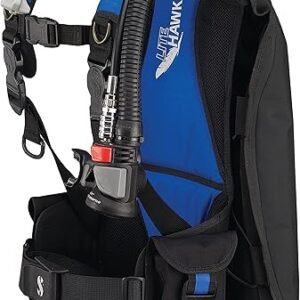
ScubaPro Litehawk ($724)
The Litehawk sits in ScubaPro’s travel lineup as a wing-style option with AIR2 integrated. The compact design with a soft backpack makes it genuinely portable—it lays flat and compact for packing. The 420 denier nylon construction balances weight savings with durability.
The low-profile, progressively-shaped rear air cell is designed to increase range of motion while decreasing drag. The tank band and strap system keeps tanks secure and increases stability at depth. Three dump deflation positions let you dump air from various underwater positions.
The adjustable belt-style waist strap with nylon buckle offers a snug fit regardless of body shape. Rotating quick-release shoulder buckles let you optimize shoulder strap routing for maximum comfort. Two basic accessory pockets are included, with optional weight pockets available. Two rear trim pouches help achieve balanced swimming position.
The Litehawk works well for divers who want the ScubaPro name and AIR2 integration in a travel package. It’s suited to warm and temperate water diving with its versatile design. The cons include limited pocket space compared to some competitors, and the optional weight pockets add expense if you need integrated weights.
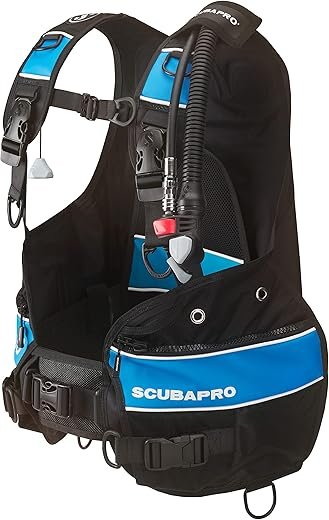
ScubaPro Go ($739)
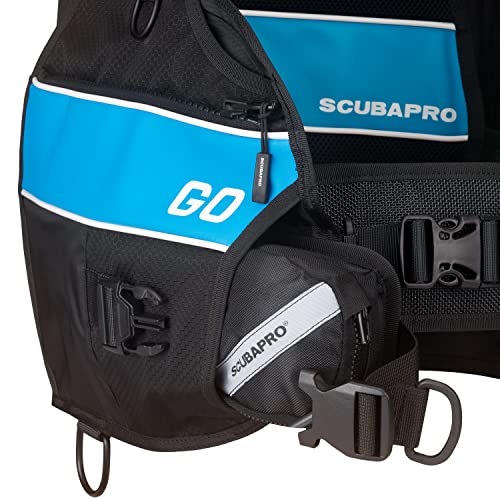
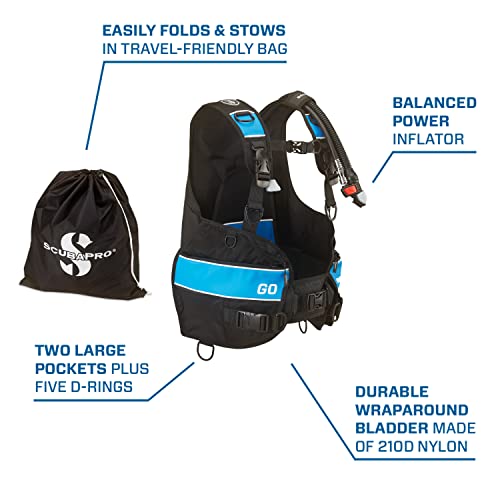
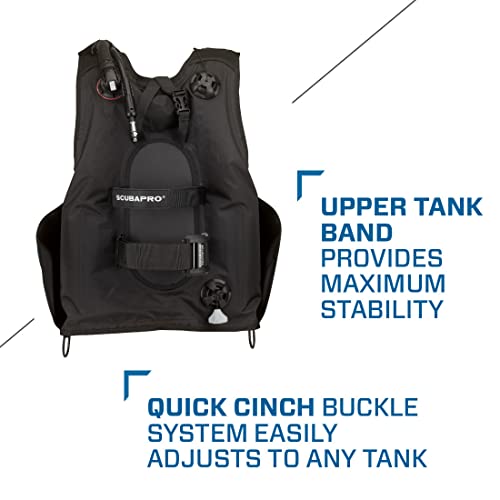
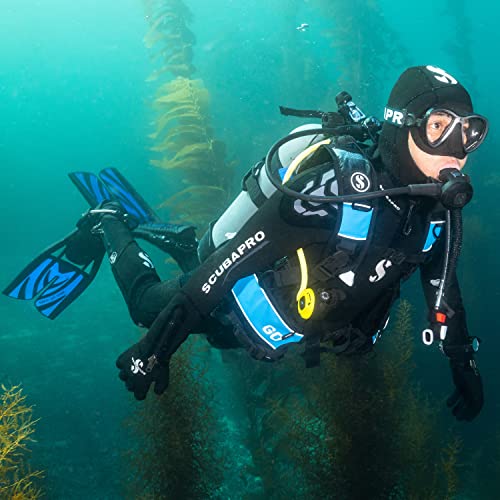
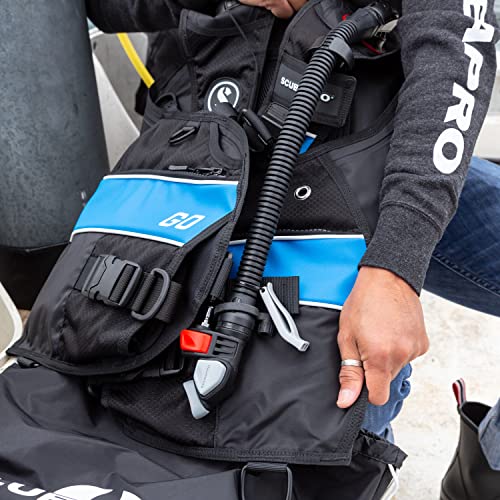
The Go represents ScubaPro’s jacket-style travel offering. It’s lightweight and foldable with an air-net ergonomic backpack instead of a rigid backrest. The wraparound bladder is made of durable 210 denier nylon fabric with a polyurethane layer and RF soldering for wear resistance.
The patented Quick Cinch tank buckle is the signature feature. It requires minimal effort to buckle and easily adjusts to fit any tank size. This matters when you’re renting different tank sizes at various destinations. An additional upper band helps secure the tank for maximum stability at depth.
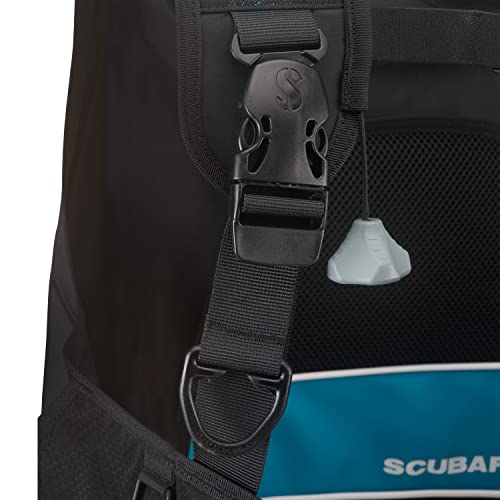
Quick-release integrated weight pouches ditch easily and secure with low-profile buckles. The air-net padded backpack drains water quickly, folds easily, and enhances comfort during long dives. Two large low-profile zippered pockets provide cargo-carrying capability, with one fitted with stainless steel knife attachment grommets. Five aluminum D-rings, including two large pre-bent D-rings on the shoulder pads, give you plenty of attachment options. Two octopus pockets store octopus and console hoses.
The Go suits divers who prefer the traditional jacket BCD feel but need portability. The Quick Cinch system is particularly valuable for traveling divers using rental tanks. It’s feature-rich compared to minimalist options, making it versatile for different diving styles. The downsides include being heavier than pure wing designs and the jacket style adding more material overall.
-
 ×
×
Scubapro Go BCD
$739.00
Open full product pageUltra-lightweight budget travel BCD with essential features for warm water diving
00 -
 ×
×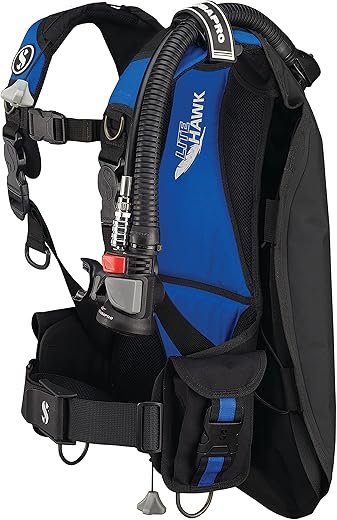
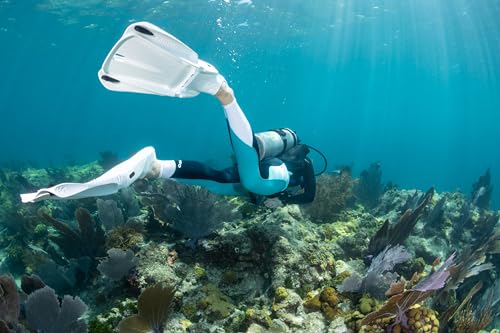
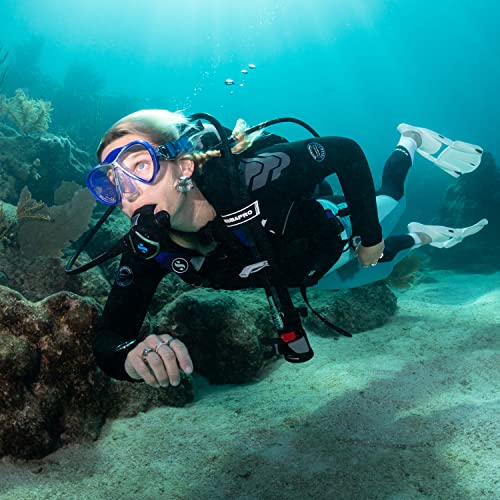
Scubapro Litehawk BCD with AIR2
$724.00
Open full product pageStreamlined travel BCD with integrated AIR2 for reduced hose clutter
00 -
 ×
×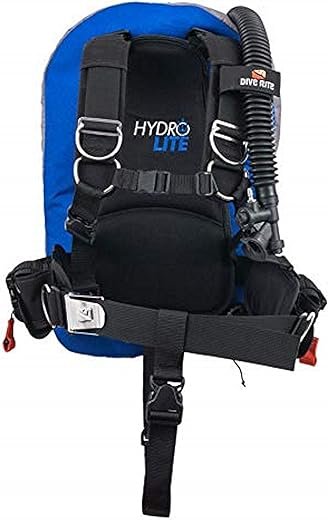
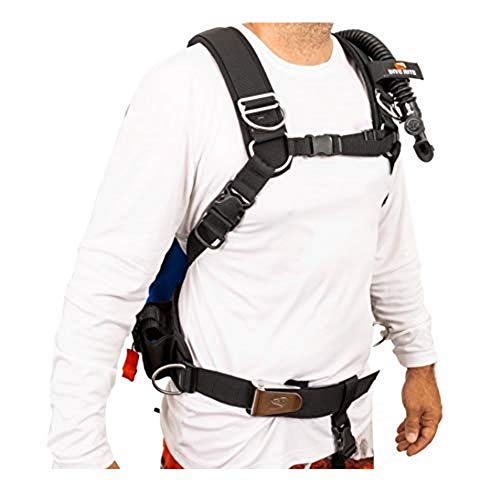
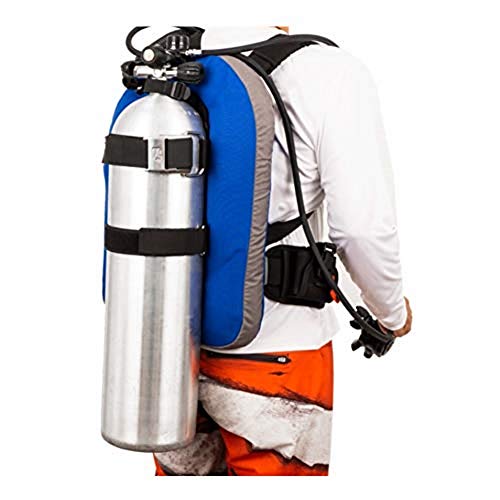
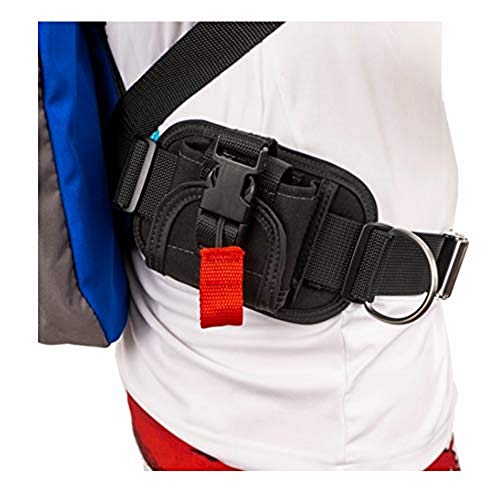
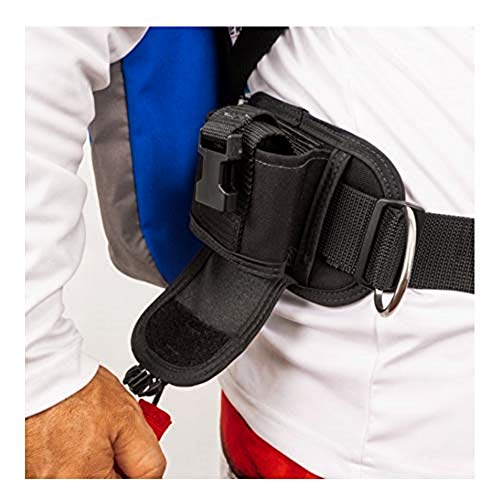
Dive Rite Hydro Lite BCD
$629.00
Open full product pageTech-inspired wing BCD with mountaineering harness for streamlined warm water diving
00
Premium Travel BCD: The Investment Option
ScubaPro Hydros Pro with Balanced Inflator ($1,189)
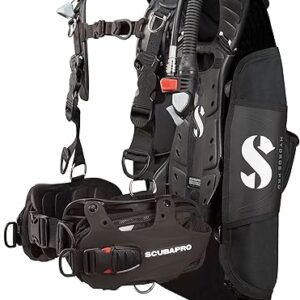
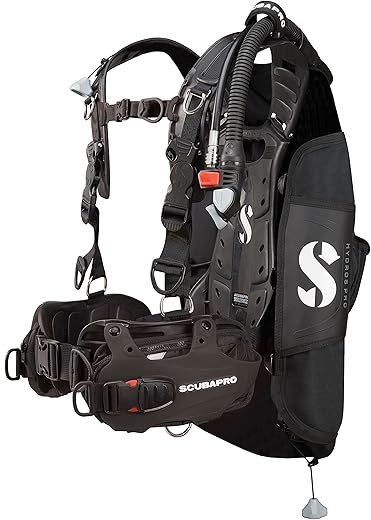
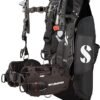
The Hydros Pro isn’t cheap, but it’s genuinely different. The patented injection-molded Monprene Gel harness is extremely resistant to UV, chemicals, and abrasion. The fabric-free harness uses no Velcro or zippers—this is a rethinking of BCD construction, not just refinement.
The instant-dry characteristic is ideal for travel due to less water retention and lower post-dive weight. The modular design lets you add or remove weight systems, straps, and pouches. Extended lifespan comes from simplified repairs—virtually every component, including buckles, can be replaced without stitching.
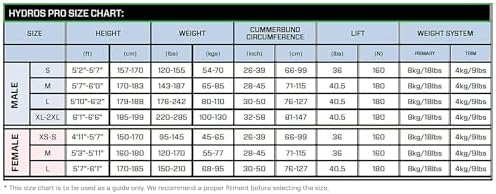
The 3D ergonomic design conforms to your body shape for maximum comfort. Near-zero inherent buoyancy means you need less lead, resulting in better buoyancy control. Body Grip Gel prevents the BCD from shifting and riding up. The dual-compound backplate provides stability and comfort with a single tank band system for easier assembly.
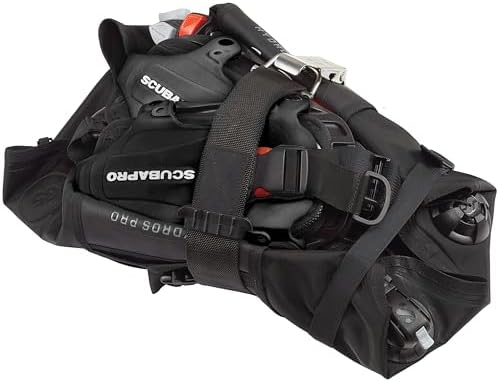
Articulated shoulder straps adjust to your body shape for a snug fit. The two-stage inflation system uses a tri-bungee design to control air distribution, maintaining a compact shape underwater and high lift capacity at the surface. Smart-Pack design means folding shoulder and waist straps pack into the wing, creating an unbelievably compact package.
The Hydros Pro includes both Trav-Tek straps and an integrated weight system. With a quick switch of clips, you transform it from a harness travel BCD to a fully integrated weight BCD. The packable design includes a travel backpack with room for your entire dive kit.
This BCD is for divers who want the best available and dive frequently enough to justify the investment. It’s particularly suited to divemasters, instructors, and serious recreational divers who need one BCD that handles everything from warm-water resort diving to more demanding environments. The price is the obvious drawback, and the unique design has a learning curve. Some divers find the gel material uncomfortable initially, though most adapt quickly.
-
 ×
×



Scubapro Hydros Pro BCD
$1,182.00
Open full product pagePremium modular BCD with innovative Monprene harness for ultimate customization
00
Conclusion and Final Recommendations
The best travel BCD for you depends on your diving style and budget. If you’re primarily a warm-water recreational diver watching expenses, the Zeagle Scout delivers reliable performance without unnecessary features. It’s light, packs small, and does exactly what it needs to.
For divers who want more versatility, the Zeagle Covert XT and Mares Magellan both offer excellent value. The Covert XT appeals to wing-style preference with MOLLE customization, while the Magellan suits divers who prefer jacket-style comfort with ergonomic design.
The mid-range options—Dive Rite Hydro Lite, ScubaPro Litehawk, and ScubaPro Go—each serve specific preferences. The Hydro Lite brings technical diving build quality to travel gear. The Litehawk offers ScubaPro engineering with AIR2 integration. The Go provides traditional jacket-style diving with the convenient Quick Cinch system.
The ScubaPro Hydros Pro stands alone as the premium option. If you dive regularly, need one BCD for multiple scenarios, and want cutting-edge design, it’s worth considering despite the price. The modular system and durability mean it could be the last BCD you buy for years.
My advice: choose based on your actual diving patterns, not aspirational ones. If you dive twice a year on vacation, the Scout or Magellan will serve you perfectly. If you’re a divemaster running to different locations monthly, look at the Covert XT or Hydro Lite. If you’re building a professional diving career, the Hydros Pro makes financial sense over time.