Choosing the right regulator is one of the most important equipment decisions a serious recreational diver makes. Unlike masks or fins where personal preference plays a bigger role, regulators directly impact your safety, comfort, and overall diving experience. The market offers dozens of options, but some models consistently rise to the top among experienced divers who demand reliable performance across different conditions.
I’ve been teaching diving for over 2 decades, and I’ve seen the same regulators show up repeatedly in the gear bags of the most experienced and demanding customers. They represent different price points and design philosophies, but they all deliver the performance that serious divers expect. Some customers start with one of the mid-range options and eventually upgrade to premium models as their diving advances. Others invest in top-tier equipment from the beginning and never look back.
This comparison examines the Apeks XTX50, Scubapro MK25 EVO/S620 Ti, Scubapro MK11 EVO/C370, Aqualung Leg3nd Elite, Atomic Aquatics TFX, and Scubapro MK17 EVO/S620 Ti. These regulators span from $649 to over $2,000, covering the range from excellent value to ultra-premium performance.
What Do Serious Divers Need from a High-Performance Regulator?
Before diving into specific models, it helps to understand what separates a high-performance regulator from basic rental equipment. Serious recreational divers typically log 30-100+ dives annually, often in varying conditions. They need equipment that performs consistently whether they’re diving in tropical waters at 15 meters or exploring wrecks at 40 meters in colder temperatures.
Breathing performance matters most. A quality regulator should deliver air effortlessly at any depth, regardless of tank pressure. You shouldn’t notice increased breathing effort as your tank drains from 200 bar to 50 bar. The airflow should feel natural and responsive, not like you’re working to pull air through a straw.
Environmental versatility is critical. Many divers travel to different destinations or progress from warm water to more challenging environments. A regulator designed for tropical diving might struggle in cold water. Conversely, a regulator optimized for extreme conditions often costs more than necessary for vacation diving. The best regulators for serious recreational divers handle varied conditions without compromise.
Durability and serviceability determine long-term value. Serious divers put hundreds of dives on their equipment. A regulator needs to withstand regular use, resist corrosion, and maintain performance between service intervals. Access to qualified service technicians and replacement parts also matters—buying an obscure brand might save money initially but create headaches later.
Adjustability and control give divers options. Features like venturi adjustment, breathing resistance controls, and environmental sealing aren’t just marketing gimmicks. They provide practical benefits in different diving situations. The ability to fine-tune your regulator’s performance becomes more valuable as your diving skills and conditions diversify.
The Six Regulators Compared
Apeks XTX50 – $649
-
 ×
×
Apeks XTX50
$649.00
Open full product pageProfessional-grade performance and cold-water reliability for dedicated divers.
00
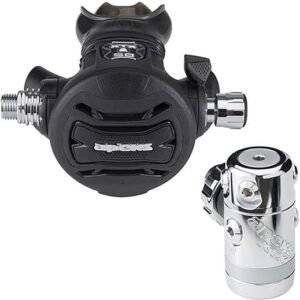
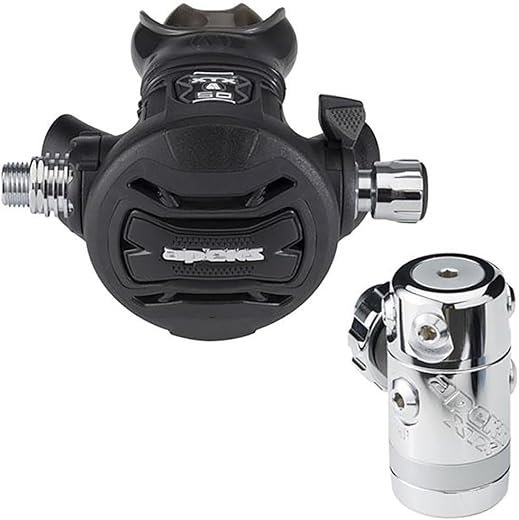
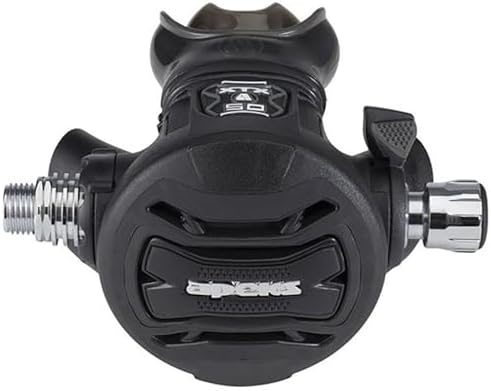
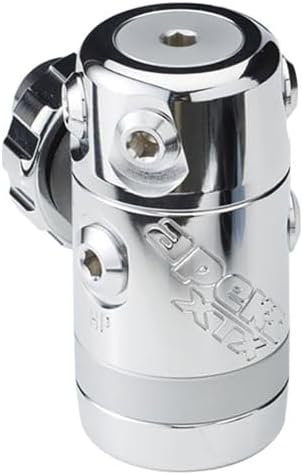
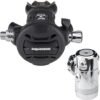
The XTX50 delivers professional-grade performance at a mid-range price. It uses an over-balanced diaphragm first stage with a rotating turret that simplifies hose routing for different configurations. The system weighs 1,269g with yoke or 1,139g with DIN. Many instructors and technical divers choose this regulator for its cold water capability and proven reliability. The rotating turret makes it particularly useful for sidemount or doubles setups. Breathing effort averages 0.70 joules/liter. The main limitation is weight compared to lighter travel regulators, but the solid construction justifies the extra grams for divers who prioritize durability and versatility over packability.
Scubapro MK11 EVO/C370 – $699
-
 ×
×
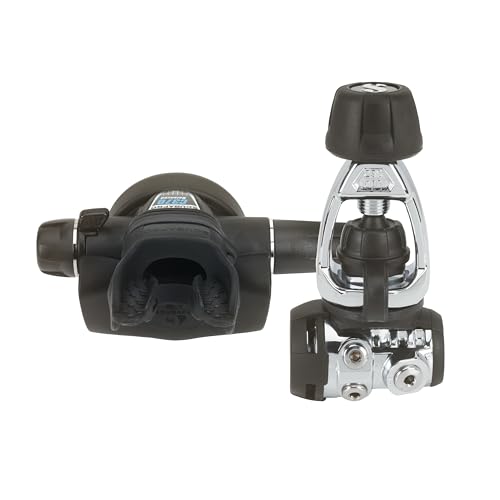
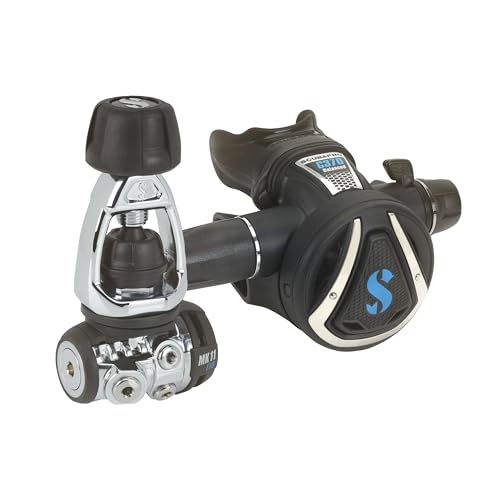
Scubapro MK11 EVO/C370 Regulator
$699.00
Open full product pageReliable Scubapro quality and cold-water capability for recreational divers.
00
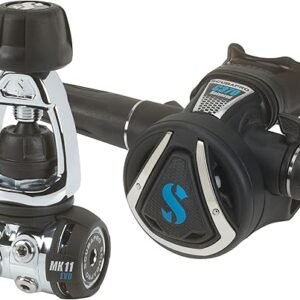
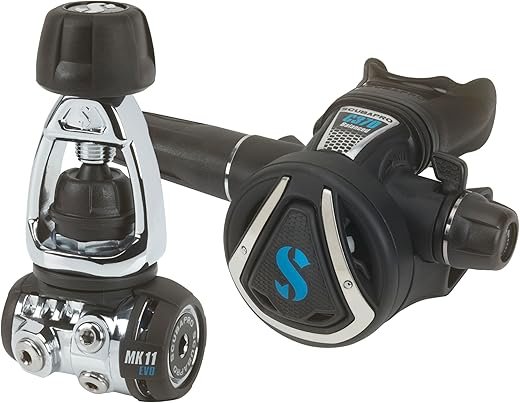
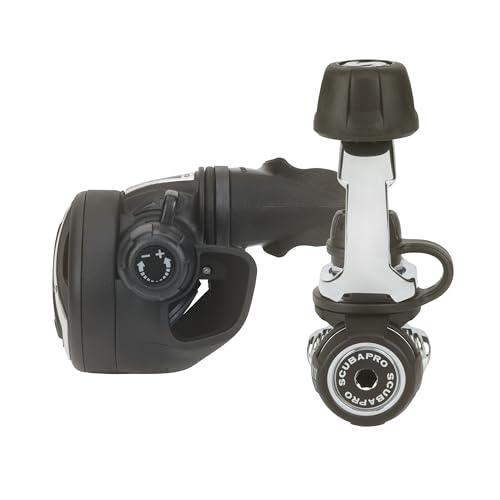
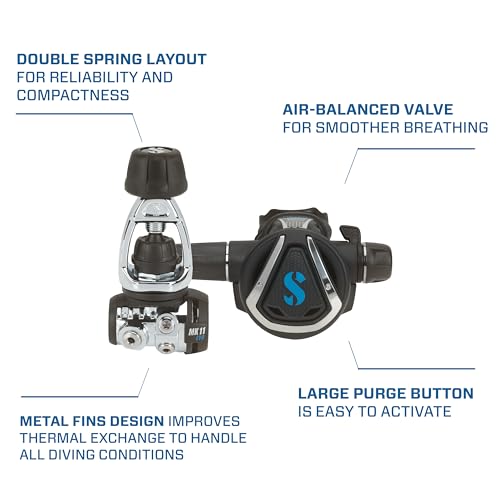
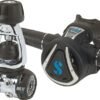
The MK11 EVO/C370 offers solid Scubapro quality at the most accessible price in this comparison. It features a balanced diaphragm first stage with innovative double spring layout and weighs 902g. The C370 second stage uses fiberglass-reinforced nylon construction that keeps weight down. This regulator is CE certified for cold water and handles recreational depths comfortably. It’s compact and travel-friendly. The limitation is breathing performance compared to higher-end models—it works well within recreational limits but lacks the effortless airflow of premium systems. New divers buying their first quality regulator often choose this model.
Scubapro MK17 EVO/S620 Ti – $1,099
-
 ×
×
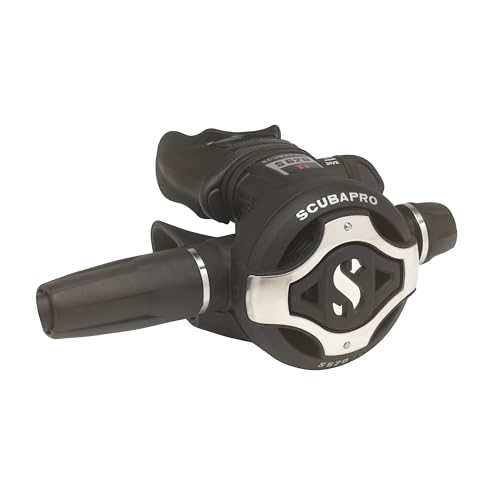
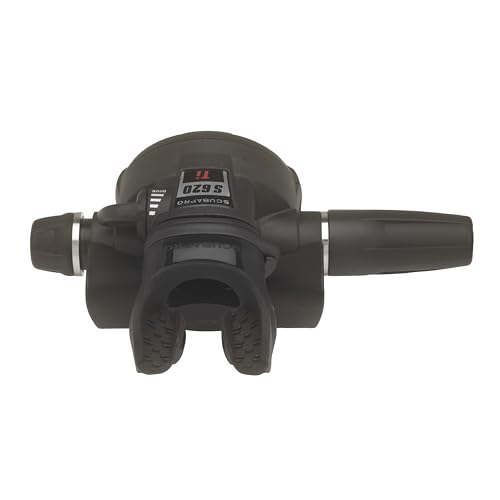
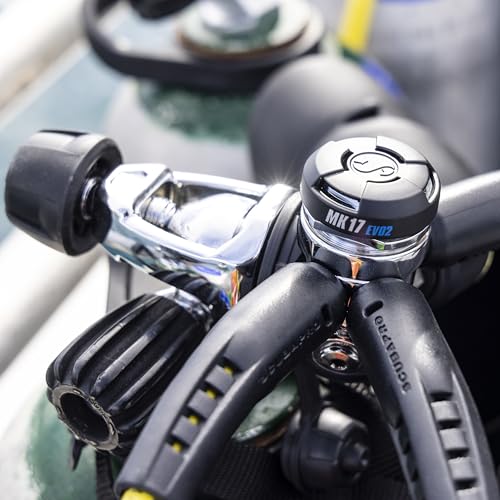

Scubapro MK17 EVO/S620 Regulator
$1,099.00
Open full product pageSealed protection and titanium reliability for cold water and contaminated conditions.
00
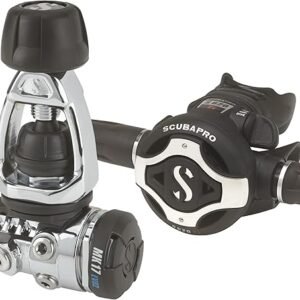
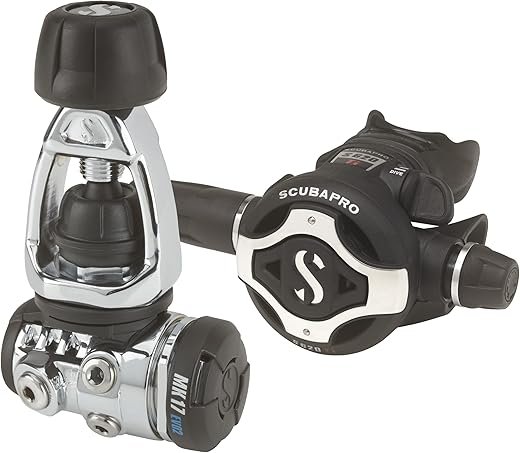
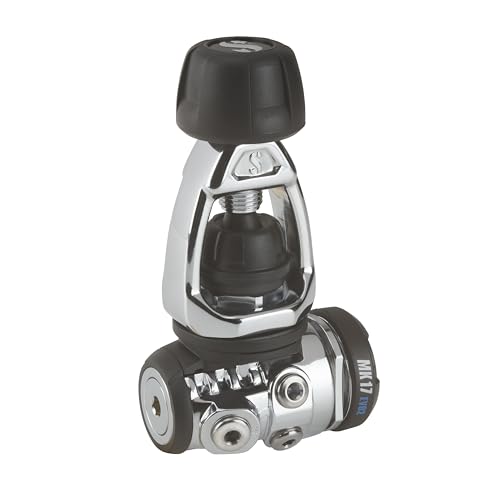
The MK17 EVO/S620 Ti combines a sealed diaphragm first stage with the same titanium second stage as the MK25 system. The sealed design with dual diaphragm dry chamber provides complete environmental protection. It’s CE certified for extreme cold water and weighs 1.08kg. This regulator excels in challenging conditions—cold water, contaminated environments, or situations where environmental protection matters most. Cold water instructors and technical divers who regularly face silt or extreme temperatures often choose this over the MK25 EVO. The trade-off is slightly slower air response compared to piston designs, though most divers won’t notice the difference.
Aqualung Leg3nd Elite – $1,099
-
 ×
×
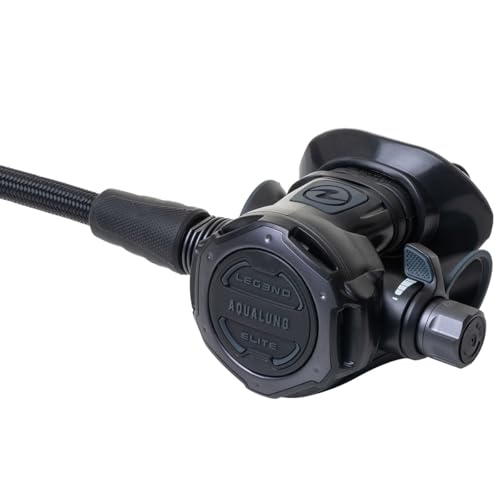
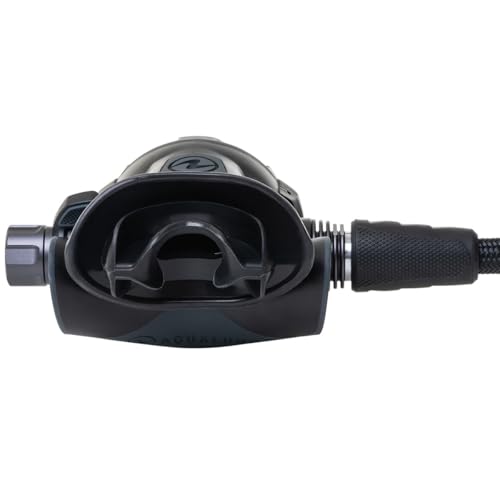
Aqualung Leg3nd Elite
Original price was: $1,199.00.$1,018.95Current price is: $1,018.95.
Open full product pageSophisticated regulator with micro-adjustments for demanding divers.
00
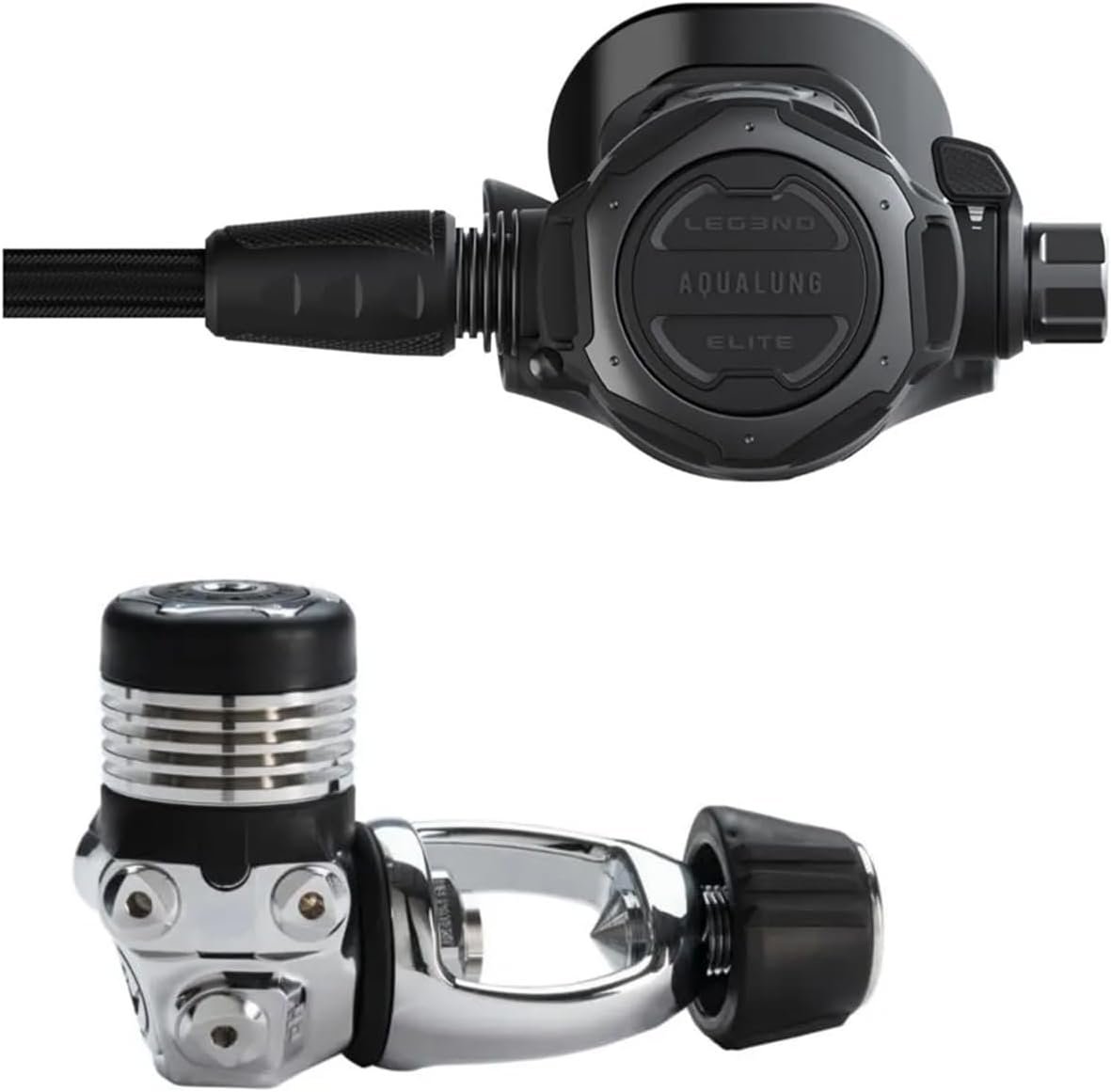
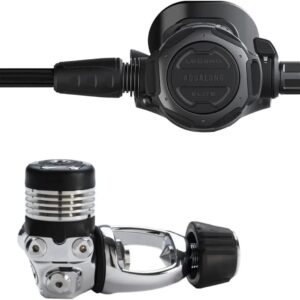
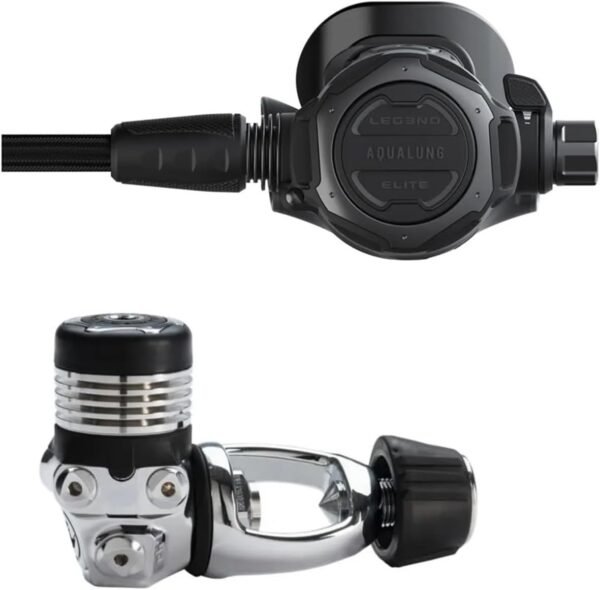
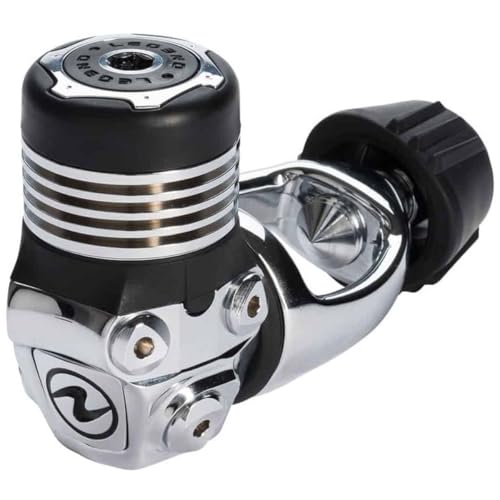
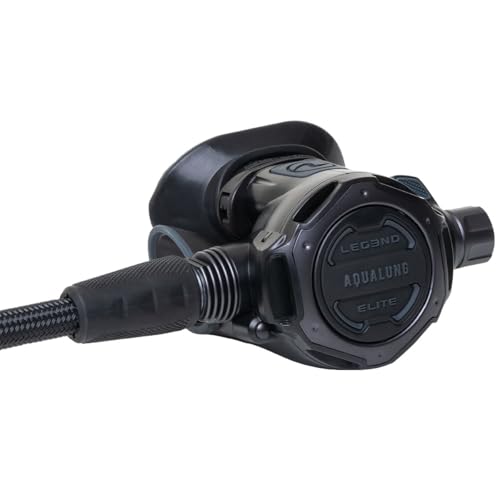
The Leg3nd Elite features French engineering with sophisticated micro-adjustments for breathing control. The over-balanced diaphragm first stage includes the Auto Closure Device that protects internal components from contamination when disconnected from the tank. The permanent dry chamber and deep ribs enhance cold water performance. Work of breathing measures 0.70 joules/liter at 50 meters. The DIN version weighs 747g, making it the lightest premium option in this comparison. Advanced divers appreciate the independent adjustment controls that allow precise tuning. The complexity can be overkill for divers who won’t utilize the sophisticated features, and the price reflects the premium engineering.
Scubapro MK25 EVO/S620 Ti – $1,249
-
×
Aqualung Leg3nd Elite
Original price was: $1,199.00.$1,018.95Current price is: $1,018.95.
Open full product pageSophisticated regulator with micro-adjustments for demanding divers.
00
The MK25 EVO/S620 Ti represents Scubapro’s premium piston regulator paired with a titanium second stage. The balanced piston design delivers ultra-fast airflow that stays consistent regardless of depth or tank pressure. The full titanium barrel reduces weight and jaw fatigue. Total system weight is 1.17kg. The five-port swivel turret provides excellent hose routing options. The XTIS thermal insulating system enhances cold water performance. This regulator suits divers who want top-tier breathing performance and can justify the investment. The main drawback is price and the fact that piston designs require more careful attention in silty conditions than sealed diaphragm regulators.
Atomic Aquatics TFX – $2,000+
-
×
Aqualung Leg3nd Elite
Original price was: $1,199.00.$1,018.95Current price is: $1,018.95.
Open full product pageSophisticated regulator with micro-adjustments for demanding divers.
00
The TFX with its revolutionary front exhaust design and all-titanium construction, represents regulator innovation in the 2020’s. Reason enough to include it in this comparisation. The unique architecture positions the exhaust valve and diaphragm in the front center, eliminating water column effects in different diving positions. Breathing feels effortless regardless of orientation. The factory-sealed balanced piston first stage weighs 838g with yoke or 778g with DIN. Service intervals extend to three years or 300 dives. This regulator suits professional divers and serious enthusiasts who log hundreds of dives annually and appreciate cutting-edge engineering. The very high price and unconventional design limit its appeal to mainstream recreational divers.
Price vs Performance: What You Get at Each Level
The $649-$699 range (Apeks XTX50, Scubapro MK11 EVO/C370) delivers excellent value. Both regulators handle recreational diving well and include features like cold water capability and environmental protection. The XTX50 offers a rotating turret and slightly better breathing performance, while the MK11 EVO/C370 provides compact size and Scubapro’s service network. Either represents a smart choice for divers who want quality equipment without premium pricing.
The $1,099-$1,249 range (Scubapro MK25 EVO/S620 Ti, Scubapro MK17 EVO/S620 Ti, Aqualung Leg3nd Elite) represents the premium segment where breathing performance noticeably improves. The titanium components reduce weight and resist corrosion. The choice between these three depends on diving conditions and preferences—the MK25 EVO for maximum airflow, the MK17 EVO for environmental protection, or the Leg3nd Elite for sophisticated adjustability.
The $2,000+ range (Atomic Aquatics TFX) enters ultra-premium territory where innovation and engineering excellence command a substantial premium. The breathing performance is exceptional, but the benefits are incremental for most recreational diving. This level makes sense for professionals, technical divers, or enthusiasts who demand the absolute best and dive frequently enough to appreciate the differences.
Environmental Considerations: Choosing Based on Diving Conditions
Your primary diving conditions should influence regulator choice more than price alone. For divers who regularly face cold water or contaminated environments, the sealed diaphragm designs (Apeks XTX50, Scubapro MK11 EVO/C370, Scubapro MK17 EVO/S620 Ti, Aqualung Leg3nd Elite) provide better protection. The Atomic TFX’s factory-sealed piston also handles these conditions well.
The Scubapro MK25 EVO/S620 Ti uses a piston design that delivers faster air response in most conditions but requires more care in silty environments. For divers who primarily explore tropical reefs or clear temperate waters, the piston design’s performance advantages outweigh the environmental protection concerns.
Cold water certification matters. All six regulators handle cold water to some degree, but the Scubapro MK17 EVO/S620 Ti, Apeks XTX50, Scubapro MK11 EVO/C370, and Aqualung Leg3nd Elite specifically target challenging cold water conditions with features like dry chambers, heat exchangers, and CE certification for extreme environments.
Real-World Feedback from Dive Professionals
Having worked with these regulators both personally and through customer feedback over the years, some patterns emerge. The Apeks XTX50 is the workhorse choice—reliable, versatile, and popular among instructors who need equipment that just works. The rotating turret makes it particularly useful for technical diving configurations.
The Scubapro MK11 EVO/C370 is often the first quality regulator people buy. It performs well enough that many divers never feel the need to upgrade, especially if they stay within typical recreational limits. The compact size makes it popular with traveling divers.
The premium Scubapro systems (MK25 EVO/S620 Ti and MK17 EVO/S620 Ti) appear frequently in the gear bags of serious recreational divers who have decided to invest in top-quality equipment. The breathing performance difference is noticeable, and the titanium second stage feels lighter during long dives. Divers typically choose the MK25 EVO for general excellence or the MK17 EVO specifically for cold water and environmental protection.
The Aqualung Leg3nd Elite attracts divers who appreciate the outstanding reputation of the Leg3nd, and want sophisticated control over their equipment. The Auto Closure Device and micro-adjustments appeal to detail-oriented divers who like having precise control.
The Atomic TFX is one of the few really innovative regulators that came to the market in the last few years. Divers who own this regulator tend to be enthusiastic about the breathing performance and innovative design. It’s not a mainstream choice, but for those who want something special and can afford it, the TFX delivers a unique diving experience.
Making Your Decision
Choosing among these six regulators comes down to your diving profile, budget, and priorities. If you’re a newer diver building your first complete gear set and want excellent value, the Scubapro MK11 EVO/C370 or Apeks XTX50 both deliver reliable performance at reasonable prices. The Apeks offers slightly better performance and the rotating turret, while the Scubapro provides compact size and brand reputation.
For experienced divers who log 50+ dives annually and want premium breathing performance, the Scubapro MK25 EVO/S620 Ti, MK17 EVO/S620 Ti, or Aqualung Leg3nd Elite represent smart investments. Choose the MK25 EVO for maximum airflow and general excellence, the MK17 EVO for cold water and environmental protection, or the Leg3nd Elite for sophisticated adjustability and the ACD system.
The Atomic TFX occupies its own category for divers who want the absolute best and appreciate innovative design. If you’re a professional diver, serious technical diver, or enthusiast who can justify the investment, the TFX delivers performance and engineering excellence that stands apart from conventional regulators.
All six regulators deliver the performance that serious recreational divers need. The differences come down to breathing characteristics, environmental protection, weight, features, and price. Try to test regulators before buying if possible, talk to other divers about their experiences, and choose based on your actual diving needs rather than marketing claims. A mid-range regulator that matches your diving style serves you better than a premium model you chose for features you’ll never use.
Whichever regulator you choose from this group, you’re getting equipment that will serve you well for years of diving. The key is matching the regulator’s strengths to your diving conditions, budget, and expectations. Make an informed choice, maintain your equipment properly, and enjoy the confidence that comes from breathing through a high-performance regulator on every dive.