
Finding a comfortable dive mask can make the difference between enjoying your time underwater and counting the minutes until you surface. I’ve seen countless students and customers struggle with masks that leak, fog, or leave painful red marks after just one dive. The good news? There are masks on the market designed specifically for comfort, and they’re available across different price ranges.
Mask comfort isn’t just about luxury – it directly affects your safety and enjoyment underwater. An uncomfortable mask creates stress, distracts you from your dive, and can lead to equalization problems or air consumption issues. The right mask should feel like a natural extension of your face, maintaining a gentle seal without pressure points.
Every face is different, and what works perfectly for one diver might not suit another. Face shape, nose bridge height, and even bone structure play a role in mask fit. That said, certain masks have earned reputations for fitting a wider range of faces comfortably. This comparison looks at seven masks across budget, mid-range, and premium categories – all known for exceptional comfort.
What Makes a Scuba Mask Comfortable
Comfort comes down to several key factors. Silicone quality matters more than most divers realize. Premium silicone feels softer against your skin but maintains enough structure to create a reliable seal. Cheaper silicone can feel stiff or become tacky over time.
The skirt design – that’s the part that contacts your face – determines how pressure distributes across your skin. Advanced designs use variable thickness, placing softer silicone where it touches sensitive areas and firmer silicone where structural support matters. The edge profile also affects comfort. Rounded edges reduce those harsh red marks you get after long dives.
Strap quality makes a bigger difference than you might think. Basic rubber straps can pull hair and require frequent adjustment. Better straps use textured silicone or fabric covers. Some feature split designs that distribute pressure more evenly across your head. For divers with long hair, strap design becomes even more critical.
Low-volume masks – those with less air space inside – offer practical comfort benefits. They’re easier to clear if water gets in, require less effort to equalize, and create less drag underwater. The trade-off is that some low-volume designs can feel more confined, though modern engineering has largely solved this issue.
The nose pocket deserves attention too. It needs to be accessible for equalization but shouldn’t pinch or press uncomfortably. Some masks add grippy textures to make pinching your nose easier, especially with gloves on.
Quick Comparison Overview
| Mask Model | Price Range | Key Comfort Features |
|---|---|---|
| TUSA Zensee | $85-105 | Freedom Technology variable-thickness silicone, rounded skirt edges, wide single-lens field of view, Swift Buckle system |
| Cressi Quantum | ~$110 | Patented anti-fog membrane system, soft silicone skirt, inclined lenses for downward visibility, swivel buckles |
| Scubapro Synergy Twin | $130-150 | Comfort Strap eliminates hair pulling, Trufit hypoallergenic silicone, double-feathered edge skirt, quick-release buckles |
| Aqualung Reveal X2 | $150-165 | Ultrafit variable-density silicone, micro-textured seal surface, Advanced Fit strap technology, low-volume design |
| Mares X-Vision Ultra | $155-165 | Four-window 180° field of view, X-shaped strap for pressure distribution, soft silicone skirt, wide sealing surface |
| Atomic Venom | $180 | UltraClear optical coatings, UltraSoft silicone skirt, frameless low-volume design, compact flat-folding |
| Fourth Element Seeker | $198 | Exceptional upward field of vision, soft universal-fit silicone, grippy nosepiece, low-profile protective case |
Budget-Friendly Options ($85-$110)
You don’t need to spend a fortune to get a comfortable mask. These options prove that thoughtful design and quality materials can be accessible at reasonable prices.
-
 ×
×
TUSA Zensee Mask
$109.00
Open full product pageFrameless design with premium silicone and wide visibility for divers seeking reliable comfort.
00 -
 ×
×


Cressi Quantum Mask
$99.95
Open full product pagePremium anti-fog system with superior downward visibility for divers demanding crystal-clear vision.
00
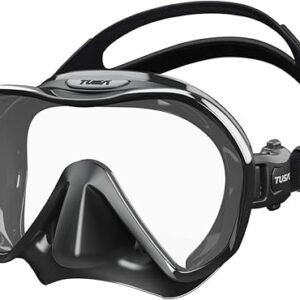
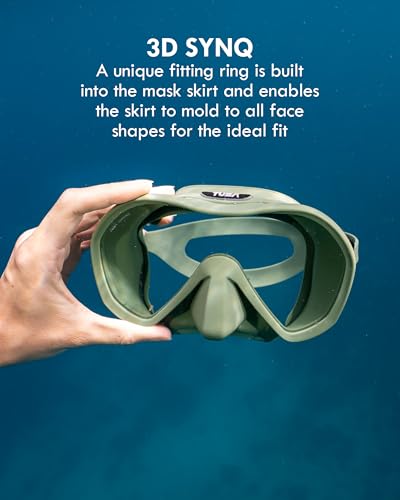
TUSA Zensee Mask ($85-105)
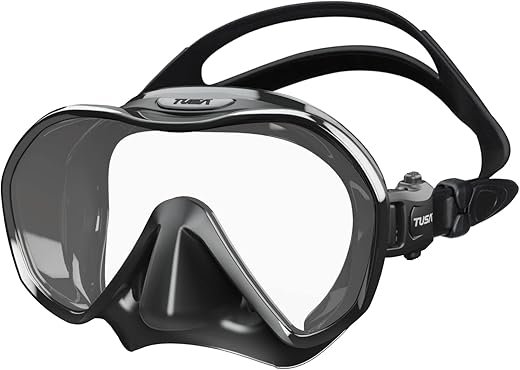
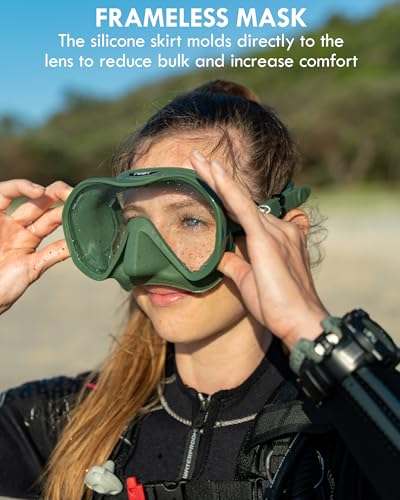
The TUSA Zensee represents excellent value in the budget category. It’s TUSA’s first frameless mask, featuring a single-lens design with low-volume construction. Many of my customers show up with this mask, and the feedback about comfort and field of view has been consistently positive.
The comfort factor comes from what TUSA calls ‘Freedom Technology’ – essentially a low-friction silicone surface with varied thickness around critical seal points. In my opinion, this really does make a difference. The mask adapts well to different face shapes. I’ve had students with narrow faces and wider faces both report good seals. The rounded edge of the skirt reduces those annoying mask marks you get after longer dives. One colleague instructor mentioned that even after four-dive days, the mask doesn’t leave that harsh red ring on your face like some masks do.
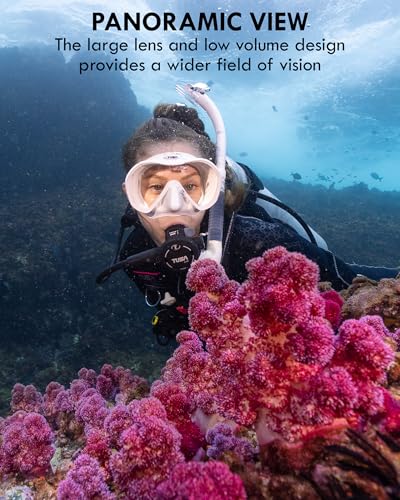
The nose pocket has indents that make equalizing easy. The single-lens design gives you a genuinely wide field of view, particularly good for photographers who need peripheral vision. The low volume makes clearing quick and easy, which beginners appreciate during pool sessions.
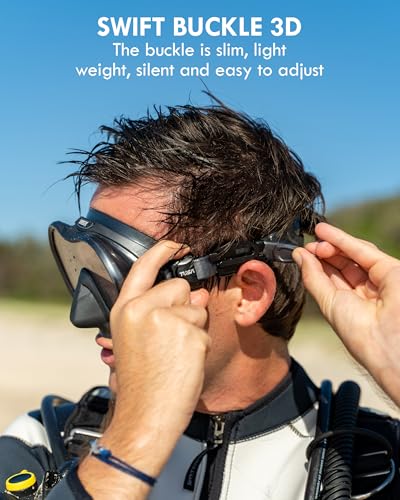
The Swift Buckle system works smoothly and stays adjusted once you’ve set it. The 3D mask strap contours to your head shape. Durability has been solid based on what I’ve seen – many instructors at dive centers use these masks daily, and they hold up well. The silicone doesn’t yellow quickly like cheaper masks.
The main limitation is that it’s not ultra-compact like some minimalist travel masks. The single lens is still fairly large, so it won’t fold down as small as dual-lens designs. Some divers with very high nose bridges report that the nose pocket can feel slightly tight.
This mask suits divers who struggle to find masks that seal properly. It works well for dive professionals who need something durable for daily use. Recreational divers who value comfort over ultra-compact packing will appreciate this mask.
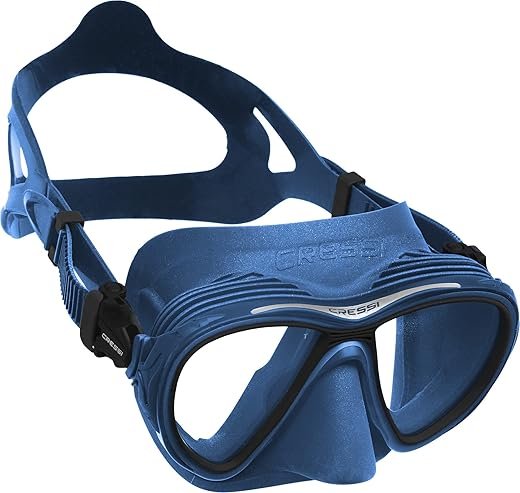
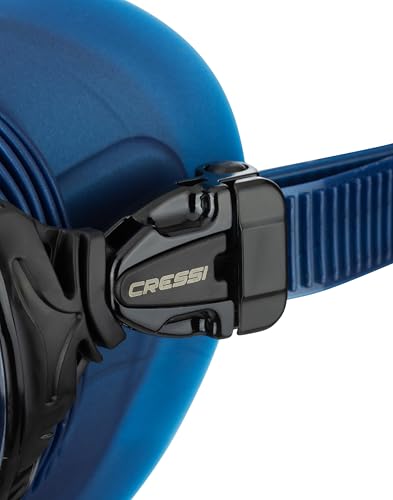
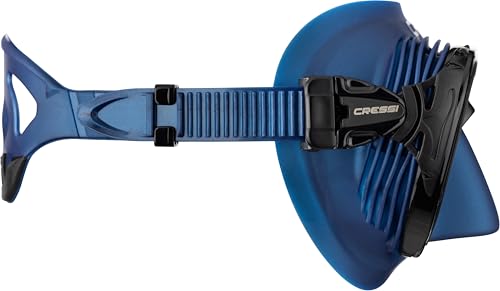
Cressi Quantum Mask (Around $110)
The Cressi Quantum sits at the top of the budget category with a patented anti-fog system that actually works. If fogging drives you crazy underwater, this mask was designed specifically for you.
The comfort features go beyond the anti-fog technology. The dual-lens framed design uses high-quality silicone that feels soft against your face. The skirt design distributes pressure evenly, and many customers tell me it seals well without needing to overtighten the strap. The integrated buckles with swivel system make adjustments easy, even with gloves.
What makes this mask interesting is the internal membrane system. Membranes around the nose and eye pockets channel moisture away from the lenses toward external heat exchangers with thin fins that cool the air inside. One of my customers who always struggled with fogging said this mask finally solved the problem for him. The system requires proper initial preparation – you still need to clean the mask thoroughly when new – but after that, many divers report significantly less fogging compared to standard masks.
The inclined lenses (tilted downward by 17 degrees) provide excellent downward visibility. You can see your gauges and dive computer easily without tilting your head. This is particularly useful for instructors who need to keep an eye on students below them. The inverted teardrop lens shape gives a good field of view without feeling bulky.
The mask packs reasonably well for travel despite the frame. At approximately 0.25 kg, it’s lighter than you might expect for a framed mask. The dual-lens design means it flexes more than single-lens masks for packing.
Some divers with very wide faces find the fit slightly narrow. The anti-fog system, while effective, adds a bit of bulk to the internal volume. If you prefer the most minimalist low-volume design possible, this might not be your first choice.
This mask is ideal for divers who struggle with persistent fogging issues. The inclined lenses make it excellent for instructors and divemasters who frequently check gauges and monitor students. If you’re willing to invest a bit more in the budget category for specialized anti-fog technology, the Quantum delivers.
Mid-Range Comfort Leaders ($130-$165)
The mid-range category offers significant comfort upgrades through advanced materials and design refinement. These masks incorporate technologies that make all-day diving more enjoyable.
-
 ×
×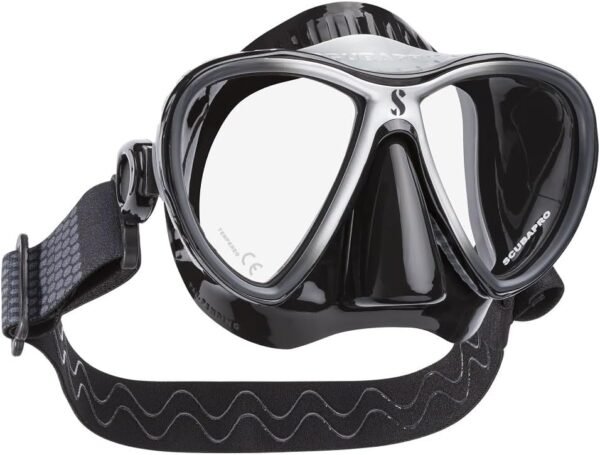
Scubapro Synergy Twin Mask
$173.00
Open full product pageVersatile dual-lens mask with innovative Trufit technology for reliable fit and comfort.
00 -
 ×
×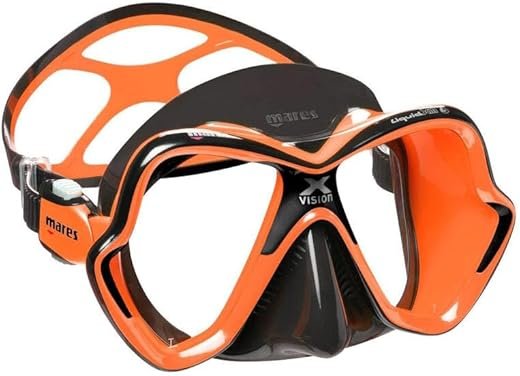
Mares X-Vision Ultra LS Mask
$79.95
Open full product pageMid-range mask with premium LiquidSkin comfort and exceptional field of vision.
00 -
 ×
×
Aqualung Reveal Ultrafit Mask
$129.00
Open full product pageUniversal-fit mask with innovative AFT technology for difficult-to-fit faces.
00
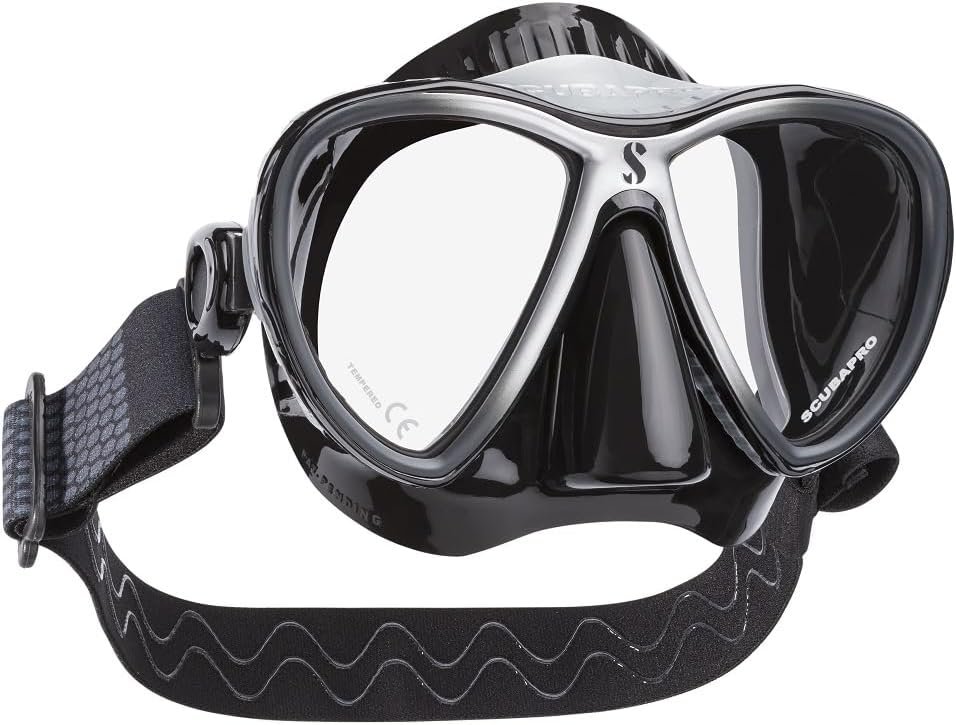
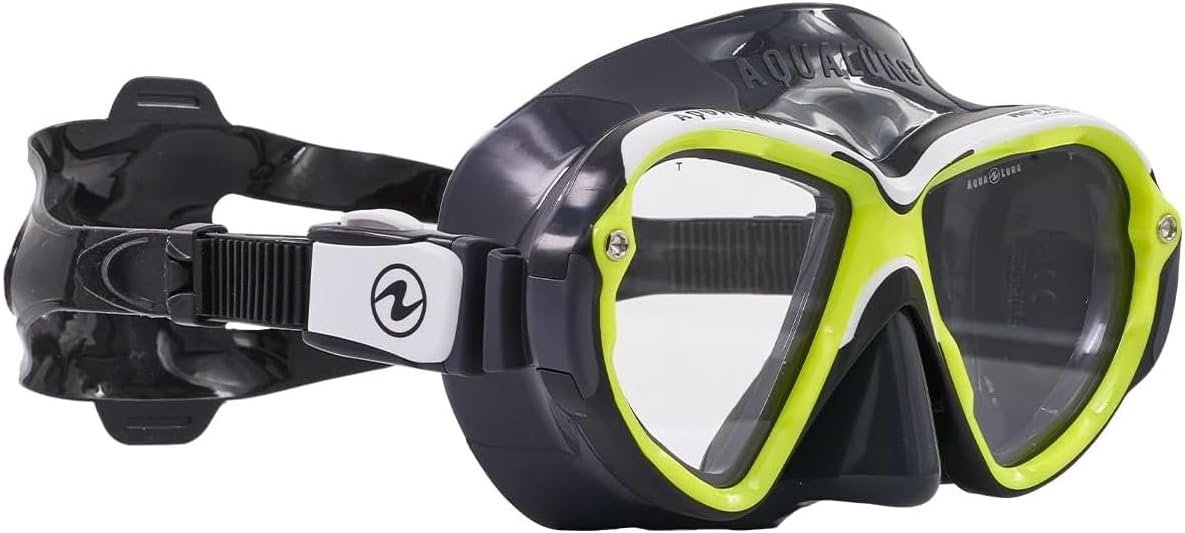
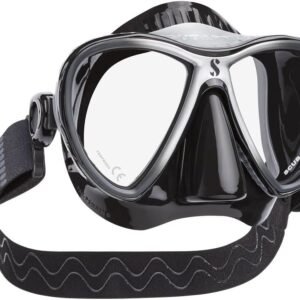
Scubapro Synergy Twin Trufit Mask ($130-150)
The Scubapro Synergy Twin brings comfort-focused engineering to the mid-range price point. Scubapro designed this mask specifically for all-day wearing comfort, and it shows in the details.
The standout feature is the Comfort Strap – a fabric-covered design that eliminates hair pulling entirely. For divers with long hair, this alone justifies the price. The strap distributes pressure more evenly than standard rubber straps, reducing those pressure points you feel after several dives. A colleague instructor with long hair switched to this mask specifically for the strap and hasn’t looked back.
The Trufit technology uses soft, hypoallergenic silicone in the skirt. Scubapro claims it adapts to individual facial contours, and from what I’ve seen with customers, it does seal well across different face shapes. The double-feathered edge skirt creates a reliable seal without requiring excessive strap tension. Many divers overtighten their masks to prevent leaking – this design lets you keep the strap looser while maintaining a good seal.
The dual-lens configuration provides a wide field of vision with minimal distortion. The lenses sit close to your eyes, reducing the internal volume for easier clearing. The nose pocket is well-designed with enough room to pinch comfortably for equalization.
The twin-lens design makes this mask more compact than single-lens frameless masks for packing. It flexes well without stressing the frame. The quick-release buckle system works smoothly for adjustments.
Some divers prefer frameless designs for the absolutely widest field of view. The framed construction here does create slight peripheral limitations compared to frameless alternatives. Also, while the Comfort Strap is excellent for long hair, it takes slightly longer to dry than standard silicone straps.
This mask excels for divers with long hair who are tired of hair-pulling straps. It’s ideal for multi-dive days when comfort really matters. The combination of the Comfort Strap and Trufit silicone makes it a solid choice for recreational divers who prioritize all-day wearability.
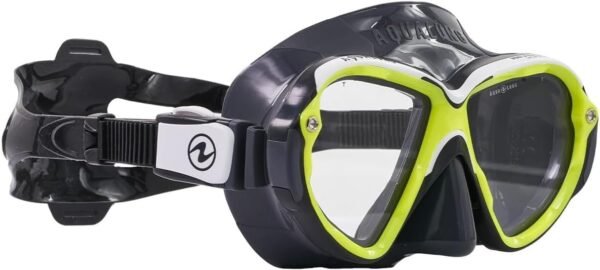
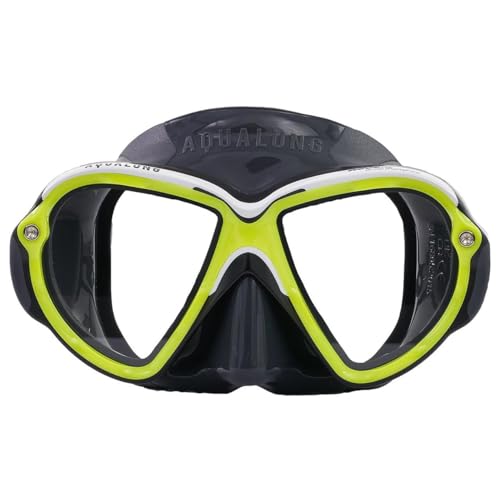
Aqualung Reveal X2 Ultrafit Mask ($150-165)
The Aqualung Reveal X2 combines advanced fit technology with thoughtful design details. Aqualung developed their Ultrafit system specifically to reduce pressure points and improve comfort during extended diving.
The Ultrafit skirt uses variable-density silicone – softer where it contacts your face and firmer where structure matters. This creates a reliable seal without the rigid feel of traditional masks. The skirt edge features a micro-textured surface that enhances the seal while distributing pressure more evenly. Many of my customers appreciate how this mask feels gentle on the face even after multiple dives.
The Reveal X2 has a low-volume design that sits close to your face. The dual-lens configuration provides excellent peripheral vision without the bulk of larger masks. The nose pocket is generously sized, accommodating different nose shapes comfortably. The internal surface has subtle ridges that help with equalizing.
The strap features Aqualung’s Advanced Fit Technology with a wider contact area that spreads pressure across more of your head. The quick-adjust buckles work smoothly and hold their position well. The silicone quality throughout feels premium – it maintains its flexibility and doesn’t get sticky over time.
The mask comes with a rigid protective case that keeps it safe during travel. The low-volume design makes clearing straightforward, and the dual lenses create a more compact package than single-lens masks.
The framed design means it’s not as minimalist as frameless options. Some divers with very narrow faces find the fit slightly wide, though the flexible skirt accommodates most face shapes. At the higher end of the mid-range pricing, you’re paying for the Ultrafit technology and build quality.
This mask suits divers who want premium comfort features without jumping to the highest price tier. The Ultrafit technology makes it excellent for all-day diving and liveaboard trips. If you value soft silicone against your face and appreciate attention to pressure distribution, the Reveal X2 delivers.
Mares X-Vision Ultra Mask ($155-165)
The Mares X-Vision Ultra pushes the boundaries of what’s possible with wide-angle vision while maintaining excellent comfort. Mares engineered this mask for divers who want the widest possible field of view without sacrificing fit quality.
The standout feature is the exceptional field of vision. The four-window design with side lenses provides true peripheral awareness. You can see nearly 180 degrees horizontally, which makes a noticeable difference when diving. One instructor colleague uses this mask specifically for teaching because the side vision helps him maintain awareness of students positioned to his left and right.
The comfort comes from Mares’ X-shaped silicone strap combined with high-quality skirt material. The X-strap distributes pressure across four points on your head instead of the traditional two points. This significantly reduces the pressure on any single spot. The skirt uses soft silicone with a wide sealing surface that creates a gentle but reliable seal.
The nose pocket is well-designed with enough space for comfortable equalizing. The internal volume is moderate – not the absolute lowest, but still easy to clear. The four-window design does mean slightly more internal space than dual-lens masks, but clearing remains straightforward.
Build quality is excellent throughout. The tempered glass feels thick and durable. The quick-release buckles work smoothly. The silicone maintains its quality over extended use without yellowing or becoming tacky.
The four-window design makes this mask bulkier than minimalist alternatives. It doesn’t pack as compactly as frameless or dual-lens masks. The side windows, while providing excellent vision, can be distracting for some divers who prefer a more focused forward view. Also, if you need prescription lenses, the four-window design makes that more complex and expensive.
This mask excels for instructors and divemasters who need maximum peripheral awareness to monitor students or groups. It’s ideal for photographers and videographers who want to maintain broad situational awareness while focusing on their subject. Divers who appreciate wide-angle vision and don’t mind the slightly larger size will love this mask. The X-strap makes it particularly good for all-day wearing comfort.
Premium Comfort Options ($180-$210)
Premium masks justify their prices through exceptional materials, advanced optical technologies, and refined comfort engineering. These represent the highest level of comfort and performance currently available.
-
 ×
×
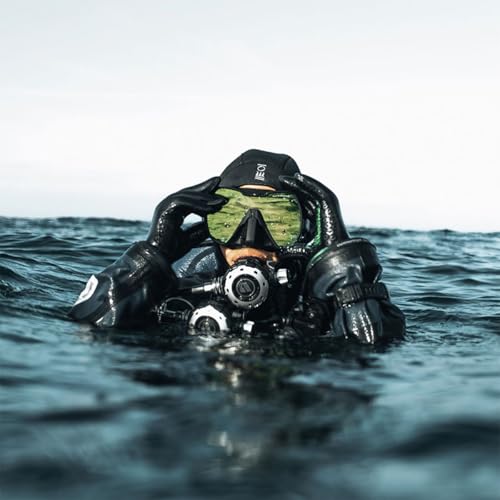
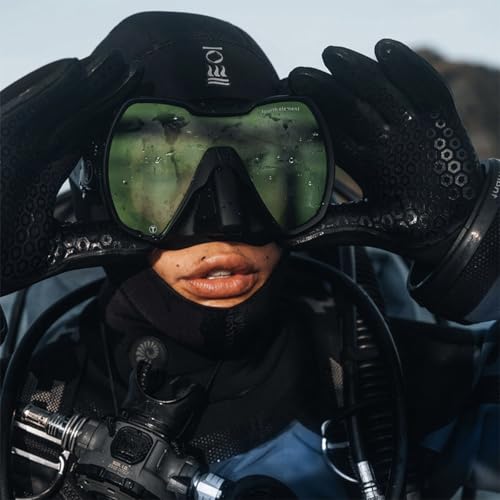
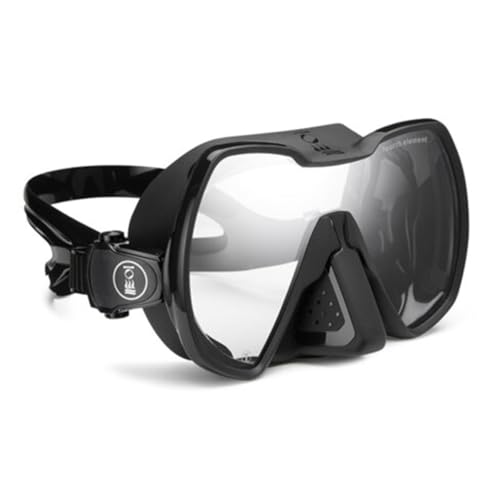
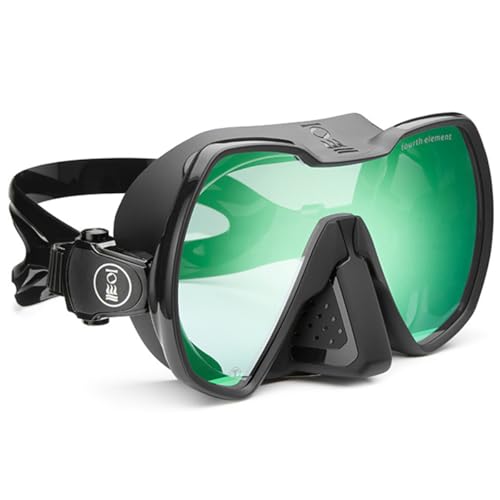
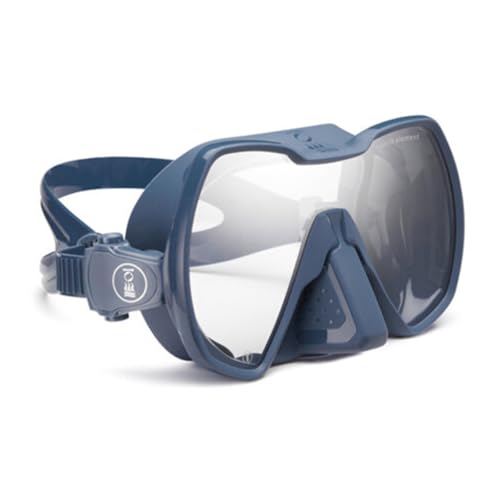
Fourth Element Seeker Mask
$198.00
Open full product pagePremium frameless mask with exceptional upward field of vision and stylish design.
00 -
 ×
×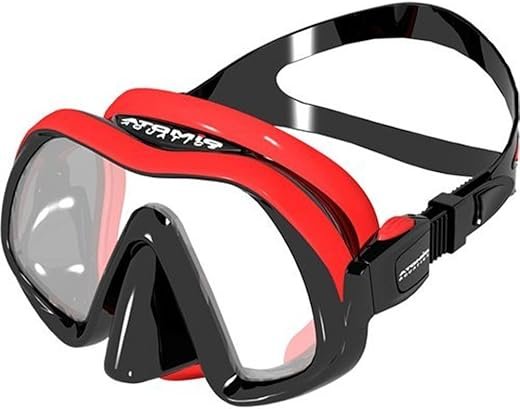
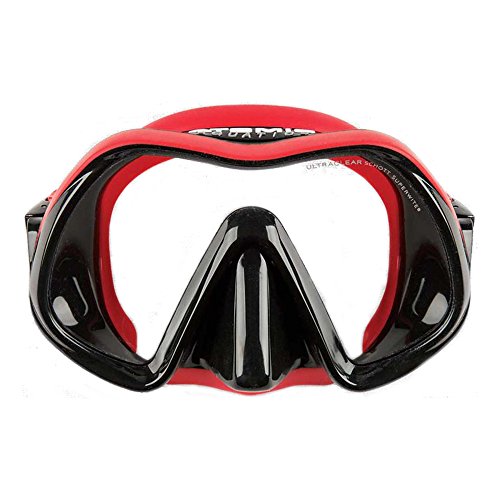
Atomic Venom Frameless Mask
$179.95
Open full product pagePremium frameless mask with exceptional UltraClear optics and ultra-soft silicone seal.
00
Atomic Venom Frameless Mask ($180)
The Atomic Venom Frameless combines optical excellence with exceptional comfort. Atomic is known for premium engineering, and this mask demonstrates their attention to detail.
The UltraClear lens technology is what sets this mask apart optically. Atomic applies multiple coatings to reduce glare and maximize light transmission. The result is noticeably clearer, more color-accurate vision underwater. For underwater photographers and videographers, this makes a real difference in color representation. Even recreational divers appreciate seeing marine life in more vibrant, true colors.
The comfort factor comes from the UltraSoft silicone skirt. This is some of the softest silicone I’ve encountered on any mask. It feels almost luxurious against your face while still maintaining a reliable seal. The frameless design with this quality silicone means the mask molds to your facial contours naturally. Many customers comment on how gentle it feels even after long dives.
The single-lens design provides a wide field of view. The low-volume construction makes clearing easy and reduces drag underwater. The nose pocket is well-proportioned for comfortable equalizing. The strap uses high-quality silicone that doesn’t pull hair and adjusts smoothly.
The frameless design makes this mask compact for travel. It comes with a rigid protective case. The flat-folding design tucks into tight spaces in your dive bag.
The premium price for what is primarily an optical upgrade means if you don’t particularly notice or care about the superior lens clarity, you’re paying for something you won’t fully appreciate. Some users report fogging issues despite the quality, so proper mask preparation remains essential. The strap anchor durability could be better based on some feedback.
This mask is ideal for underwater photographers and videographers who need accurate color representation and maximum light transmission. Divers who appreciate seeing marine life in true, vibrant colors will value the UltraClear technology. The exceptional comfort from the UltraSoft silicone appeals to divers who want premium feel and all-day wearability. Frequent travelers appreciate the compact case and flat-folding design.
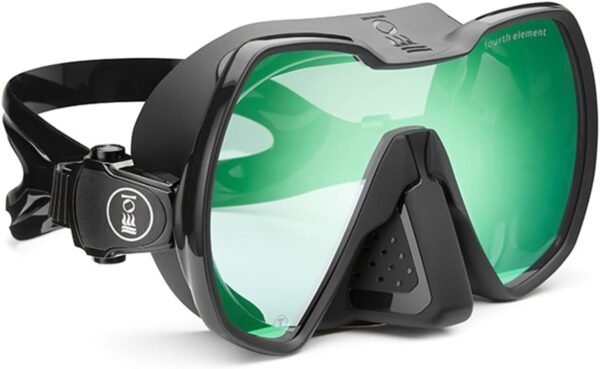
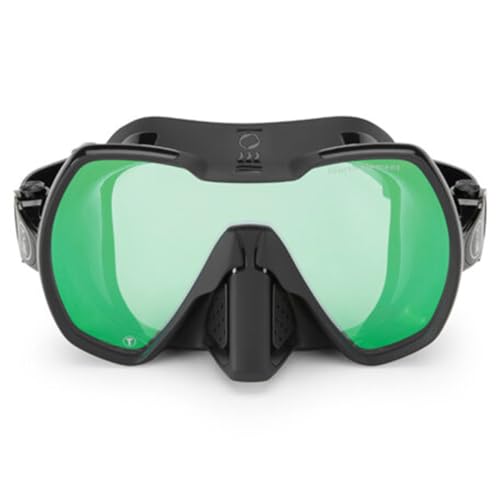
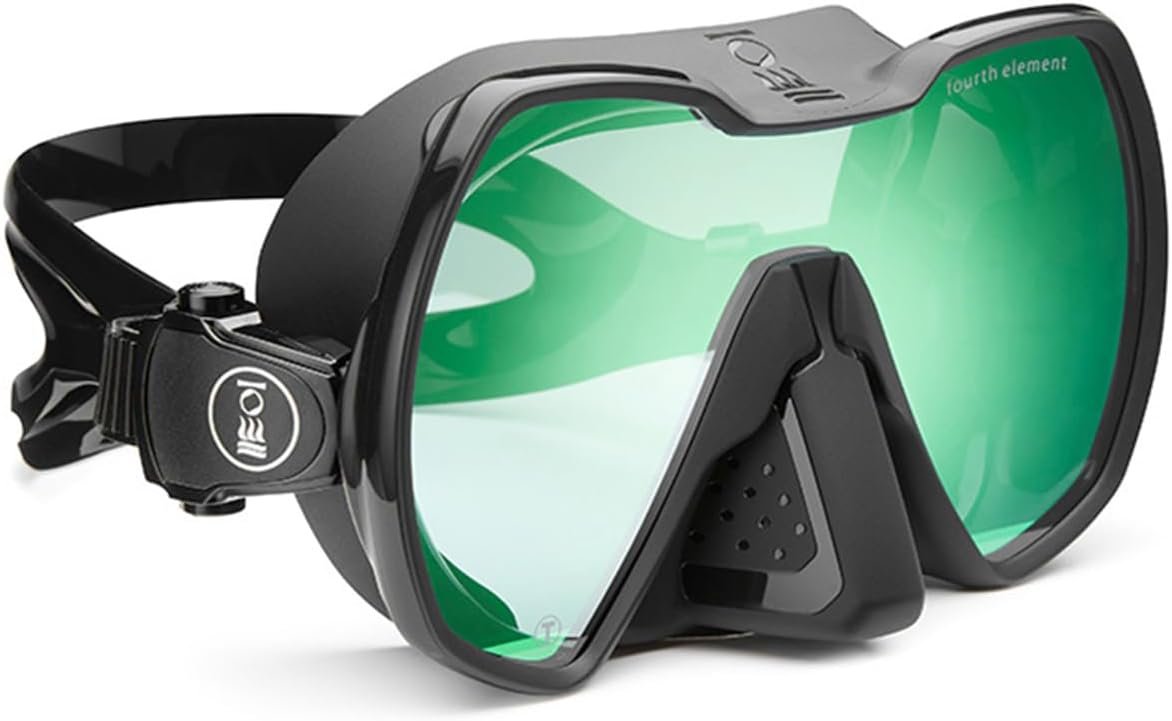
Fourth Element Seeker Mask ($198)
The Fourth Element Seeker is Fourth Element’s first in-house designed mask, and it shows clear ambition to compete with established premium brands. The standout feature is exceptional upward field of vision combined with stylish design and environmental consciousness.
The field of vision on this mask is genuinely exceptional, particularly looking upward. Multiple reviewers have noted you cannot see the top of the lens even when straining to look up as far as possible. This is particularly valuable when diving in horizontal trim position, where you’re naturally looking slightly upward. Being able to spot marine life or dive buddies above you without the frame or lens edge intruding makes a real difference.
The soft silicone skirt is remarkably comfortable. It molds perfectly to various face shapes – from teenagers to adults to technical divers with facial hair. The universal fit claim appears legitimate based on feedback from different face types. The low-volume design works well for equalization and clearing. The grippy sections on the nosepiece make pinching your nose easier, especially with gloves.
Build quality feels premium throughout. The silicone is high-grade and soft, the lens is crystal clear, and the overall construction feels durable. The included case is genuinely useful – low-profile enough to fit in a fin pocket yet protective enough to prevent damage.
The Contrast lens option is interesting for divers who primarily dive in temperate, green water. It’s designed to enhance color contrast in conditions where visibility is compromised. The Clarity lens is the standard choice for tropical and clear water diving.
Design aesthetics are excellent. The embossed logo, color-matched options with Fourth Element’s other gear, and overall styling are notably superior to most masks. The compatibility with Fourth Element’s recycled elastic straps appeals to environmentally conscious divers, though the straps are sold separately for about $30 additional cost.
At $198, you’re paying a premium that may not be justified if field of view isn’t your top priority. The recycled elastic straps cost extra despite the environmental marketing. There’s no UV protection despite the premium price point. The Contrast lens option is only available with the black skirt, limiting color choice for temperate water divers.
This mask is perfect for divers who spend time in horizontal trim and want to maximize awareness of what’s above them – pelagic diving, wreck diving, or technical diving where monitoring your position relative to buddies overhead matters. Underwater photographers and videographers who want maximum peripheral awareness will appreciate the unobstructed view. It’s also ideal for divers who value aesthetics and want gear that looks as good as it performs. Environmentally conscious divers who want the option of recycled straps will appreciate the company’s sustainability focus.
Common Comfort Problems and How to Avoid Them
Most mask discomfort comes from preventable issues. Understanding these common problems helps you get the most comfort from any mask.
Overtightening is the number one comfort killer. Most divers pull their mask straps far too tight trying to prevent leaking. This creates pressure points, headaches, and those deep red marks on your face. A properly fitting mask should seal with minimal strap tension. Test this by placing the mask on your face without the strap and breathing in gently through your nose – it should stay in place. The strap just needs to be snug enough to maintain position during the dive.
Mask squeeze happens when you don’t equalize the air space inside your mask during descent. As external pressure increases, the mask gets sucked against your face, creating painful pressure around your eyes. Exhale a small amount of air through your nose periodically during descent to equalize. This should become automatic, like clearing your ears.
Leaking usually means either the mask doesn’t fit your face shape or something is breaking the seal. Hair, mustaches, or the hood edge can all interfere with the seal. Make sure these are cleared from the skirt before descending. If a mask consistently leaks despite proper positioning, it’s probably not the right shape for your face. Don’t force it to work by overtightening.
Fogging results from temperature differences and manufacturing residue. New masks need thorough cleaning to remove silicone oils from manufacturing. Use toothpaste or carefully burn with a lighter. Before each dive, use defog solution or spit, rub it around the lens, and rinse lightly. Don’t rinse too thoroughly – a thin film of defog helps prevent fogging.
Pressure points usually indicate either overtightening or a poor fit for your facial structure. Try loosening the strap first. If specific areas still feel uncomfortable, the mask geometry might not match your face. Different masks have different profiles – what works for one person might not work for another.
Strap pulling hair is fixable with technique or equipment changes. Pull hair back completely before putting on the mask. For long hair, fabric-covered straps like the Scubapro Comfort Strap eliminate this problem entirely. Some divers use a thin beanie or neoprene headband under the strap.
Final Thoughts and Recommendations
Choosing the right mask comes down to matching your priorities with what each mask does best. Budget doesn’t always determine comfort – some mid-priced masks outperform premium options for specific needs.
For divers on a budget who want reliable comfort, the TUSA Zensee delivers excellent value at $85-105. It fits a wide range of face shapes well and holds up to daily professional use. If fogging is your main concern, spend slightly more for the Cressi Quantum – the anti-fog system genuinely works.
In the mid-range, your choice depends on specific needs. The Scubapro Synergy Twin at $130-150 is unbeatable for divers with long hair thanks to the Comfort Strap. The Aqualung Reveal X2 at $150-165 offers premium silicone quality and Ultrafit technology for excellent all-day comfort. The Mares X-Vision Ultra at $155-165 provides the widest field of view with the comfortable X-strap design – ideal for instructors and photographers who need maximum peripheral awareness.
Premium masks justify their prices for specific applications. The Atomic Venom at $180 delivers superior optical clarity that photographers and videographers will appreciate. The Fourth Element Seeker at $198 offers unmatched upward visibility for technical divers and those who value aesthetics. The Mares Force-X LS at $185-210 provides the absolute softest face seal available through LiquidSkin technology – worth every penny if you’re sensitive to pressure points or do multiple dives daily.
Remember that proper fit matters more than features. A $200 mask that doesn’t match your face shape will be less comfortable than a $90 mask that fits perfectly. If possible, try masks before buying. The pre-purchase fit test – holding the mask to your face and breathing in gently – tells you a lot about seal quality.
Comfort becomes more important the more you dive. Recreational divers doing a few vacation dives per year might not notice the difference between mid-range and premium options. Dive professionals doing 20+ dives per week will absolutely notice and appreciate premium comfort features. Match your investment to your diving frequency and priorities.