
0
0
Apeks DSX Wrist Computer
Technical dive computer with integrated oxygen analyzer and dedicated sidemount mode support
Pros
Dedicated sidemount mode with intelligent gas switch notifications, Induction charging provides cable-free convenience, Integrated oxygen analyzer module
Cons
100m depth rating limits use for deep technical diving, Screen contrast not quite as sharp as Shearwater's proven LED-backlit displays
Compare Prices


* We earn a small commission on your purchase without increasing the price.
Apeks DSX Dive Computer Review: Technical Features Meet Modern Design
The Apeks DSX has been gaining traction among technical divers who want something different from the usual Shearwater-dominated landscape. What catches attention immediately is the integrated oxygen analyzer. At $1,199, the DSX sits between entry-level technical computers and premium options, offering features like induction charging and sidemount mode that appeal to modern tech divers. What makes the Apeks DSX computer interesting is how it packages technical diving capabilities with conveniences that Shearwater doesn’t prioritize—wireless charging, an included gas analyzer module, and ambient light sensing. For technical divers who appreciate modern features alongside proven algorithms, the DSX delivers a compelling alternative to established brands.
What Comes With The DSX
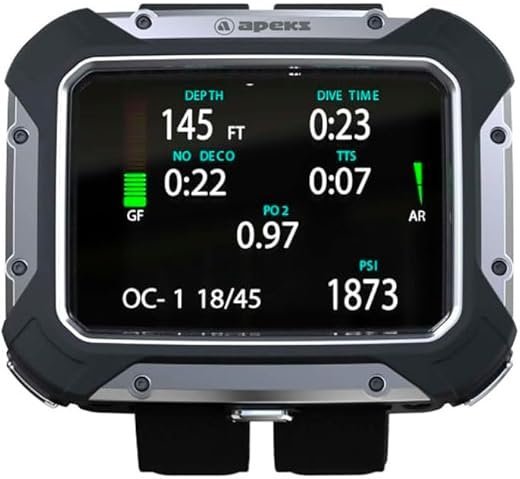
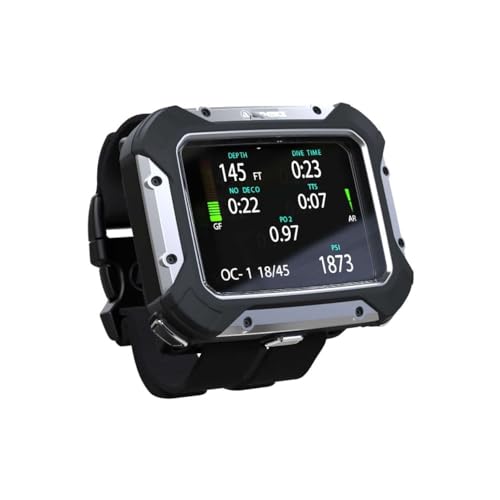
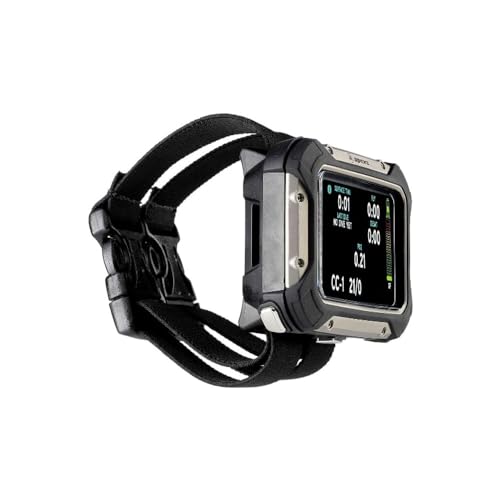
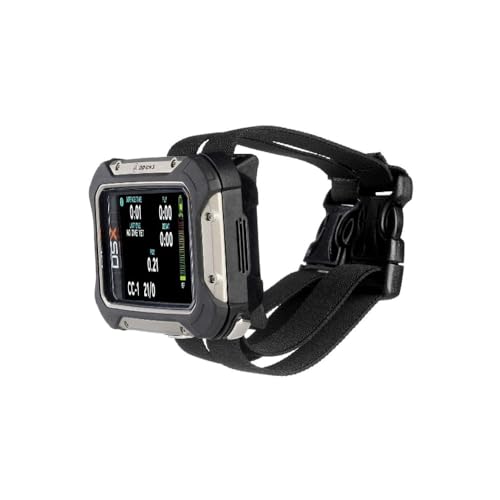
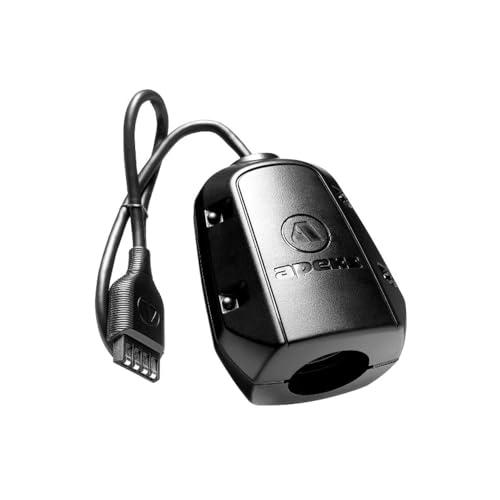
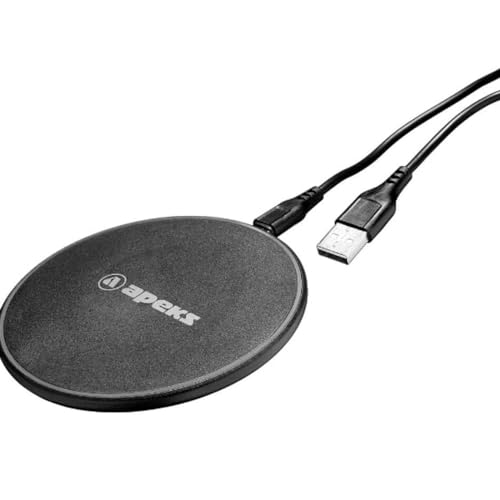
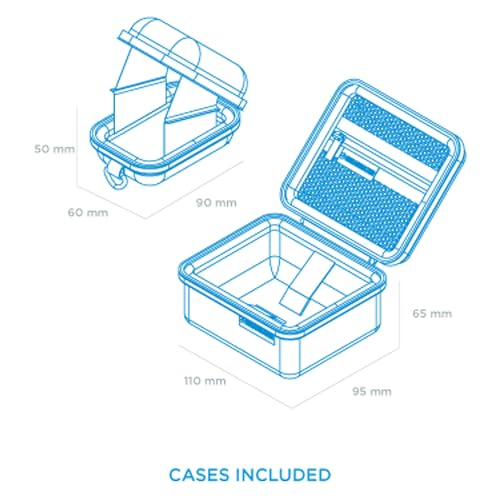
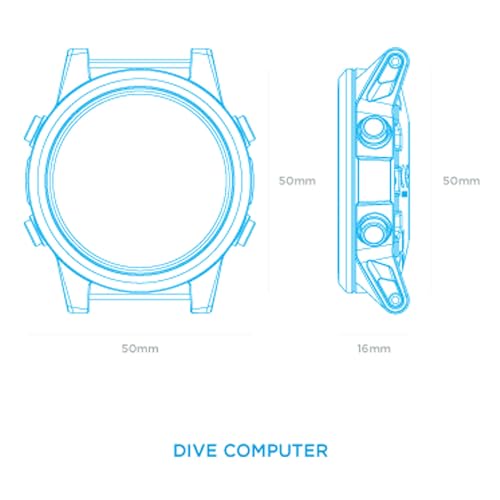
The Apeks DSX dive computer package includes dual elastic straps, a bungee cord mounting option, an induction charging mat with USB cable, a zippered carrying case, and an integrated O2 analyzer module (the R22 sensor is sold separately). The computer weighs approximately 150g and measures 79 x 62 x 23mm, making it one of the slimmer large-format dive computers available. The 2.4-inch color TFT LCD displays 320 x 240 pixels behind polycarbonate with a titanium bezel keeper. Three 316 stainless steel buttons handle all input. The rechargeable lithium-ion battery provides up to 80 hours of dive time. Apeks rates the DSX to 100m (330 feet), which is adequate for most recreational and light technical diving but less than competitors offering 200-260m ratings.
Performance in the Water
Screen and Visibility
The 2.4-inch color TFT screen sits between the Perdix 2 Ti’s 2.2-inch display and the Garmin X50i’s 3-inch screen. The color display shows information clearly, though some divers mention it’s not quite as high-contrast as Shearwater’s proven LED-backlit screens in direct sunlight. The ambient light sensor automatically adjusts brightness, which works well in practice—you get bright illumination when you need it without manually cycling through settings. The customizable display lets you arrange data fields to your preference, and color coding helps identify different information at a glance. Many pros report the screen is perfectly adequate for technical diving, even if it doesn’t quite match Shearwater’s legendary readability.
Integrated Oxygen Analyzer
This is the DSX’s standout feature. The computer includes an O2 analyzer module built into the case. You need to purchase the R22 oxygen sensor separately (around $80), but once installed, you can analyze your gas mixes directly from your dive computer. For technical divers who regularly mix their own gases or verify dive center fills, this eliminates carrying a separate analyzer. The analyzer calibrates quickly, and the integration with the computer means you can immediately program your gas settings after analysis. Cave divers and wreck divers I’ve talked to find this feature genuinely useful—one less piece of equipment to pack and maintain.
Algorithm and Dive Modes
The DSX runs Bühlmann ZHL-16C with gradient factors, the same algorithm technical divers trust in Shearwater computers. You can adjust conservatism through gradient factor settings, and the computer displays your tissue loading with nitrogen and gradient factor bar graphs. Available modes include Open Circuit Sport and Technical, CCR (closed circuit rebreather), Sidemount with gas switch notifications, and Gauge mode. The computer handles up to six gas mixes, covering most technical diving scenarios. Gas switching is logical through the three-button interface, and the computer provides clear visual confirmation when you switch gases.
Sidemount Mode
The dedicated sidemount mode is particularly well-implemented. When you’re diving sidemount configuration with multiple cylinders, the DSX can monitor pressure from multiple transmitters and provide gas switch notifications based on your dive plan. Sidemount divers appreciate how the computer tracks which cylinder you should be breathing from based on your planned gas management strategy. This feature alone makes the DSX attractive to the growing sidemount diving community who want computer support for their configuration.
Wireless Air Integration
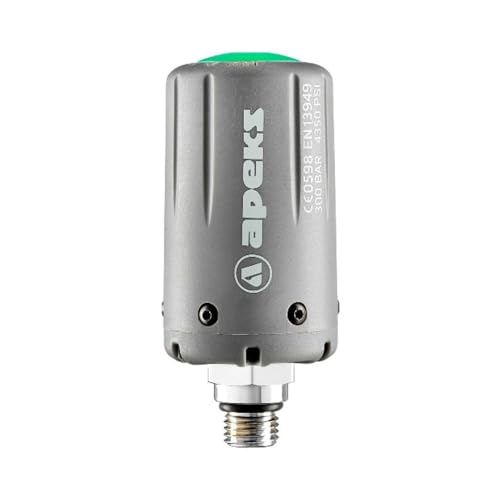
The DSX supports up to six wireless transmitters (MH-8A compatible), which is more than most technical divers will ever need but provides flexibility for complex dive plans. The wireless connection has been reliable in my colleagues’ experiences, though the standard radio frequency means it can occasionally have issues in overhead environments compared to Shearwater’s low-frequency system. Tank pressure updates quickly, and the computer calculates gas time remaining and turn pressure based on your breathing rate. Common feedback is that the air integration works as expected without surprises.
Induction Charging
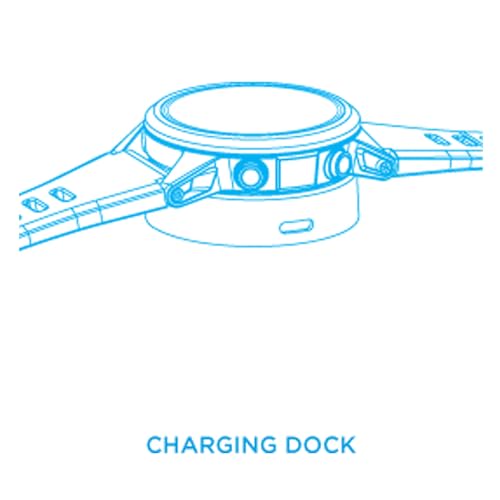
The induction charging mat is convenient—you place the computer on the mat, and it charges wirelessly through the case back. No cables to plug in, no ports to corrode. The 80-hour battery life means you’ll charge it every few days during intensive dive trips. Some divers prefer this modern approach over replaceable batteries, though others point out that you can’t swap batteries in the field like you can with a Perdix. The charging mat adds one more item to pack, but the included USB cable works with standard power adapters. In my opinion, it’s a matter of preference whether you value wireless convenience over field replaceability.
Depth Rating Consideration
The 100m depth rating deserves attention. For most recreational and light technical diving, 100m is adequate. However, serious technical divers doing deep wreck or cave diving may find this limiting. The Shearwater Perdix 2 Ti offers 260m and the Garmin X50i provides 200m. If you’re planning deep technical dives beyond 100m, this is a consideration. For normoxic trimix diving and standard technical training, the rating works fine.
How the DSX Stacks Up
At $1,199, the Apeks DSX competes with the Shearwater Perdix 2 Ti ($1,195) and sits below the Garmin X50i ($1,500). Compared to the Perdix 2 Ti, the DSX offers the integrated gas analyzer, induction charging, and sidemount mode, but gives up the 260m depth rating and user-replaceable batteries. The Perdix has a more established reputation and slightly better screen contrast. Against the Mares Genius at $1,160, the DSX provides better build quality and the oxygen analyzer, justifying the small price difference. The DSX is best for technical divers who want modern conveniences and appreciate the integrated gas analyzer. If maximum depth capability or field battery replacement matters, the Perdix 2 Ti is the better choice. For sidemount divers specifically, the DSX’s dedicated mode makes it worth considering.
Our Assessment
The Apeks DSX’s main strengths are the integrated oxygen analyzer and modern features like induction charging and ambient light sensing. The sidemount mode is well-executed and appreciated by that specific community. The 2.4-inch color screen is good, though not quite at Shearwater’s level for high-contrast readability. The 100m depth rating is the main limitation—it’s fine for most diving but restricts your deep technical diving options. It’s best for technical divers who regularly analyze gases and want that capability integrated into their computer, sidemount divers who value the dedicated mode support, and divers who prefer wireless charging over replaceable batteries. Skip it if you need maximum depth capability beyond 100m or if you prioritize the longest possible battery life with field replacement options.
Who Should Buy the Apeks DSX
Buy the Apeks DSX dive computer if you’re a technical diver who regularly mixes or analyzes gases—the integrated oxygen analyzer alone makes this computer worth considering. It’s an excellent choice for sidemount divers who want dedicated computer support for their cylinder management. Technical diving instructors who teach gas analysis and mixing appreciate having the analyzer built into their dive computer for demonstrations. The induction charging and modern interface appeal to divers who want technical capability with contemporary convenience features. Skip the DSX if you plan to dive deeper than 100m regularly—the depth rating becomes a limitation for serious deep technical diving. Also look elsewhere if you prefer user-replaceable batteries that you can swap in the field. The Shearwater Perdix 2 Ti offers deeper ratings and field serviceability at essentially the same price. The Apeks DSX succeeds when you value its unique features—particularly the gas analyzer and sidemount mode—over maximum depth capability.
| General Specifications | ||||||||||||||||||||||||||||||
|---|---|---|---|---|---|---|---|---|---|---|---|---|---|---|---|---|---|---|---|---|---|---|---|---|---|---|---|---|---|---|
|
||||||||||||||||||||||||||||||
| Computer Specifications | ||||||||||||||||||||||||||||||
|
||||||||||||||||||||||||||||||
| Additional features | ||||||||||||||||||||||||||||||
|
||||||||||||||||||||||||||||||
| Pros and Cons | ||||||||||||||||||||||||||||||
|
||||||||||||||||||||||||||||||
Related Products
-
 ×
×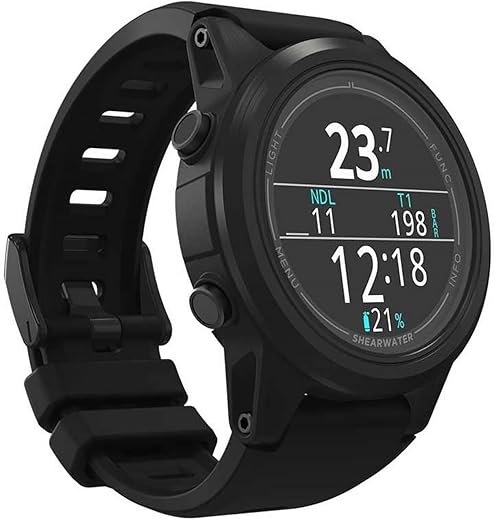
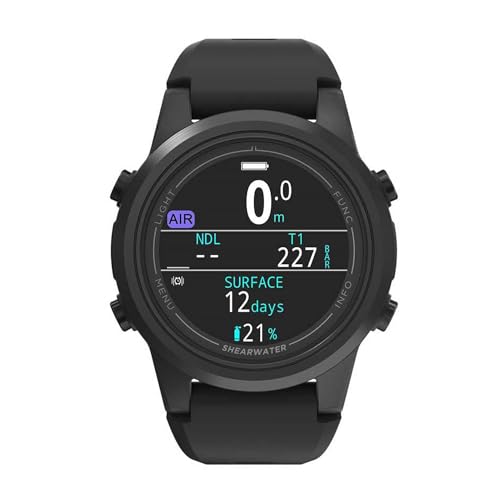
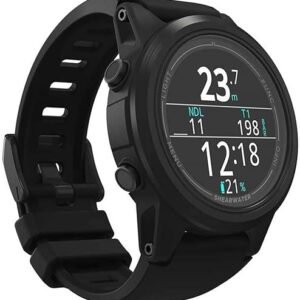
Shearwater Tern TX
$805.00
Open full product pageShearwater reliability meets watch-style convenience with brilliant AMOLED display and wireless air integration.
00 -
 ×
×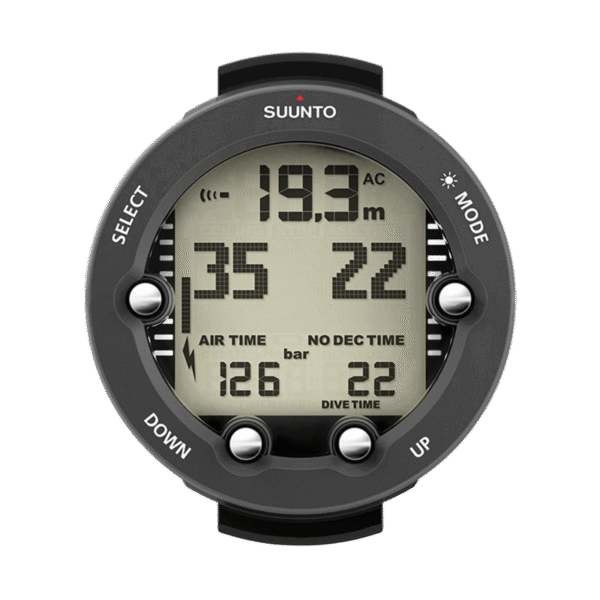


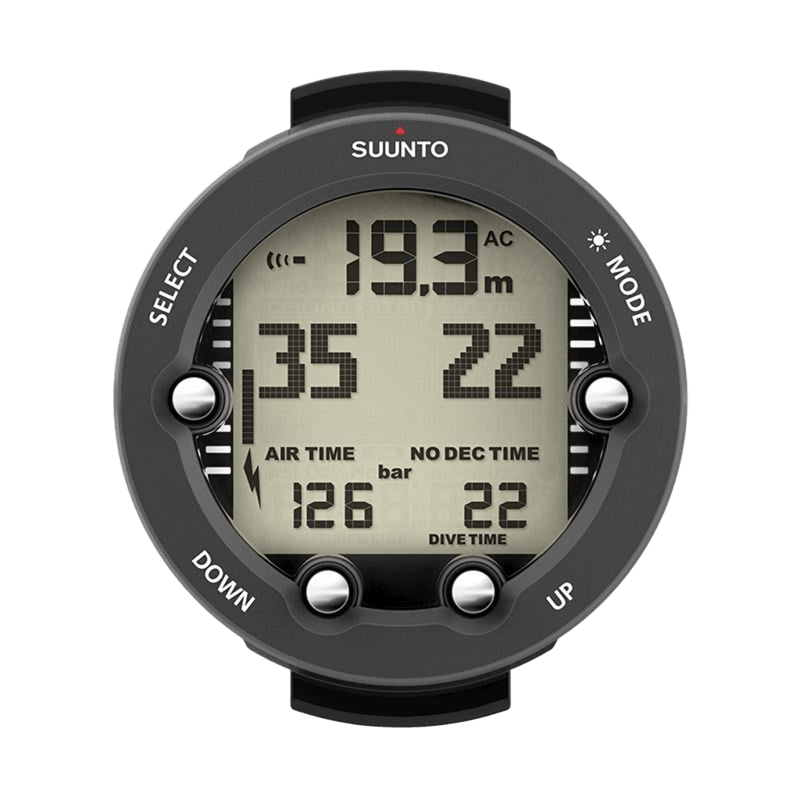
Suunto Vyper Novo
$359.00
Open full product pageMid-range recreational computer with air integration, compass, and multi-gas capability for growing divers.
00 -
 ×
×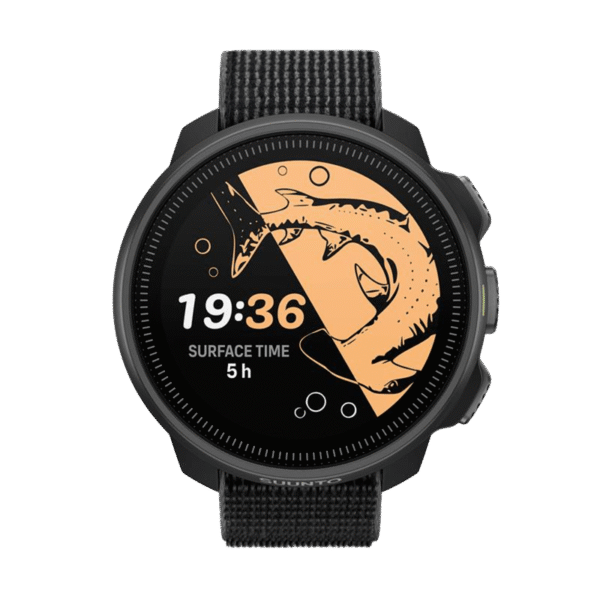


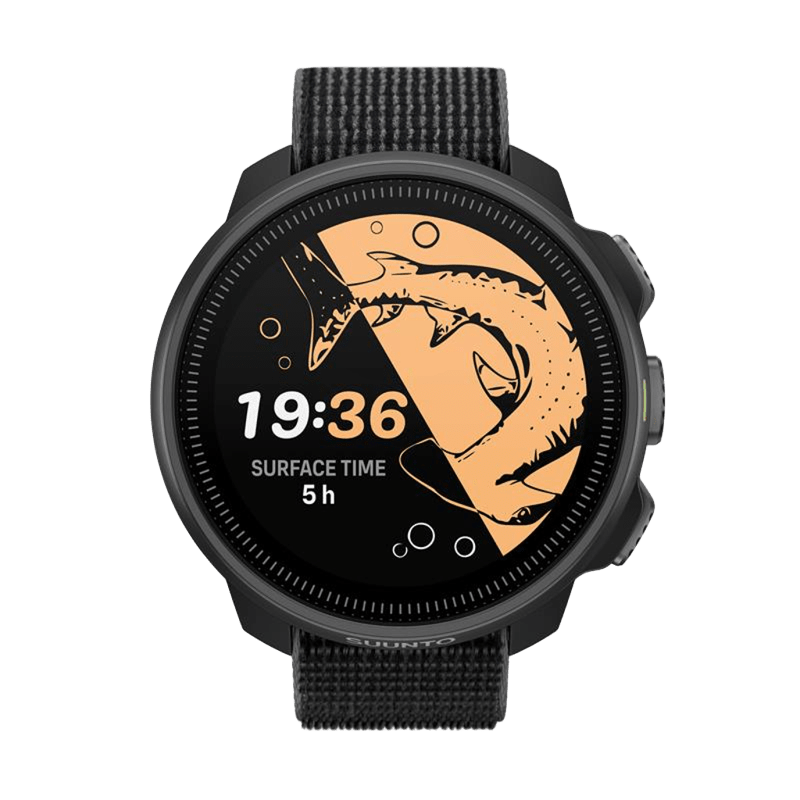
Suunto Nautic S
$549.00
Compact technical dive computer with brilliant AMOLED display and exceptional value for dedicated divers.
Out of stock
Open full product page00 -
 ×
×


Suunto Nautic
$729.00
Open full product pageProfessional-grade technical dive computer with brilliant AMOLED display and exceptional battery life.
00
Latest Revies









Reviews
There are no reviews yet.