
1
0
Aqualung i200C Wrist Computer
Compact watch-style dive computer offering daily wearability at an affordable price.
Pros
Affordable, Lightweight, and comfortable for daily wear, Watch-style suitable for daily wear
Cons
Only about 24 dives logbook, Smaller display can be hard to read, Two-button interface
Compare Prices


* We earn a small commission on your purchase without increasing the price.
Aqualung i200C – A very capable watch style dive computer
Aqualung, of course is one of the biggest and well known dive equipment brands. Their roots go back to pioneering scuba gear in 1946 with Cousteau and Gagnan. Surprisingly, Aqualung does not have a huge line up of diving computers. Certainly their range of ‘watch-style’ computers is very limited. Basically, the Aqualung i200C Dive Computer is the only available Aqualung computer that can be worn as a watch.
One of my PADI IDC candidates showed up wearing the Aqualung i200C, so of course, we discussed the pros and cons and I took it for a dive.
The Package
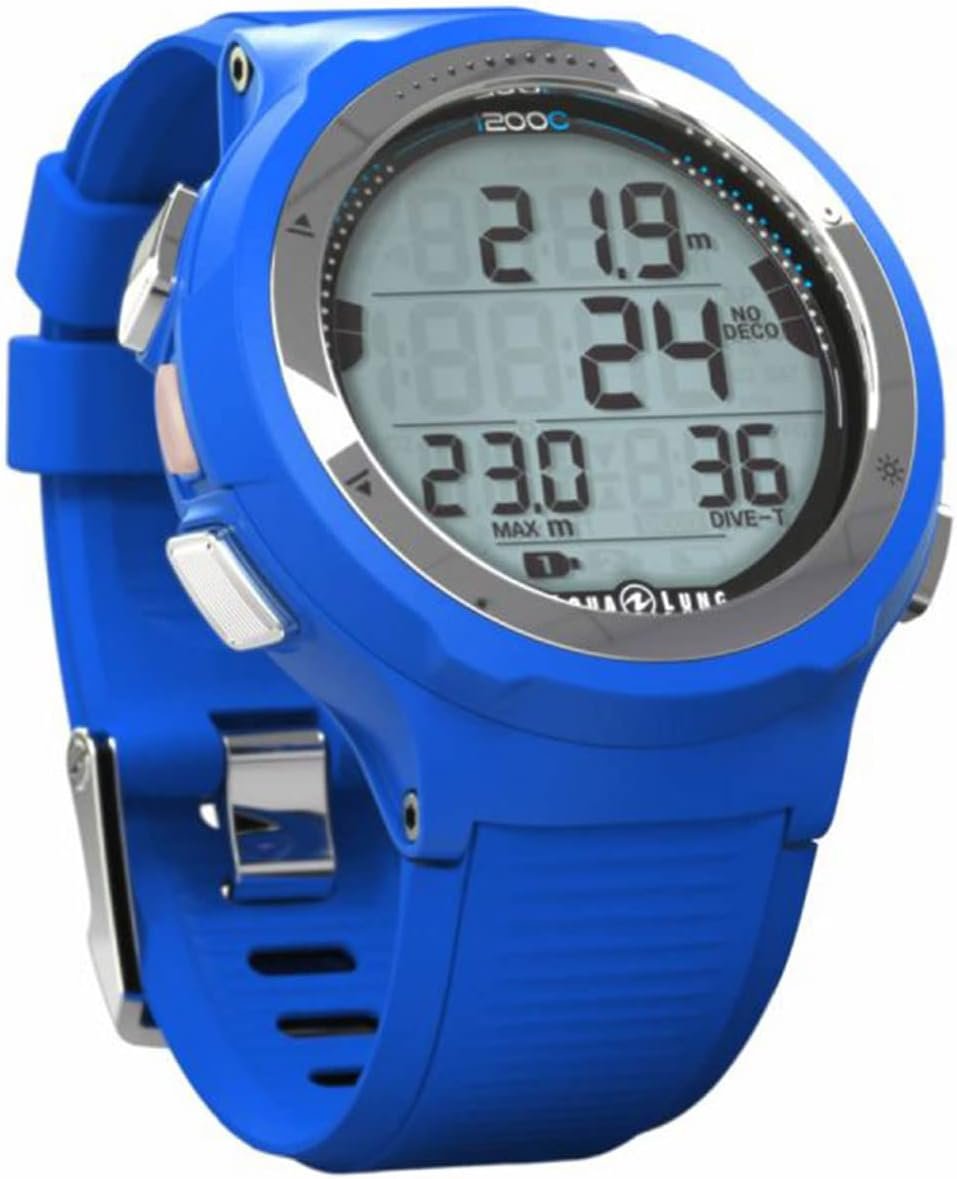
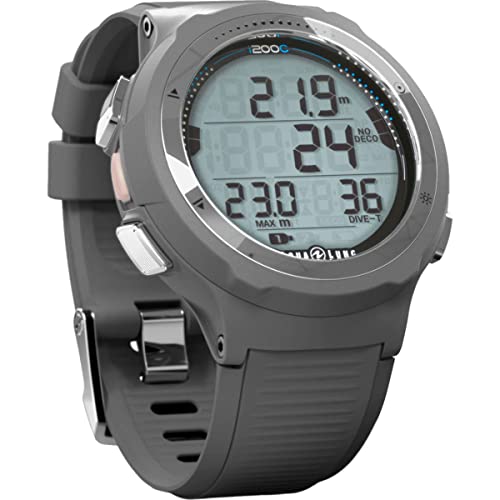
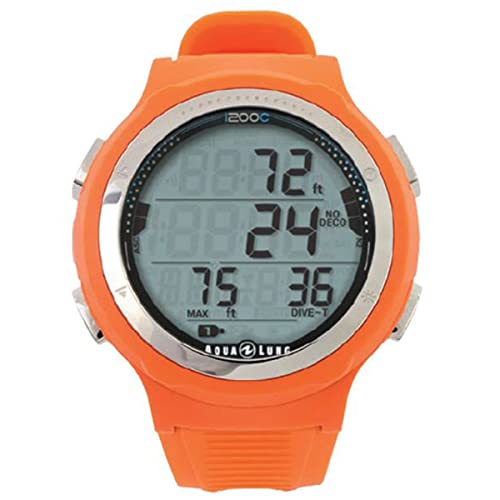
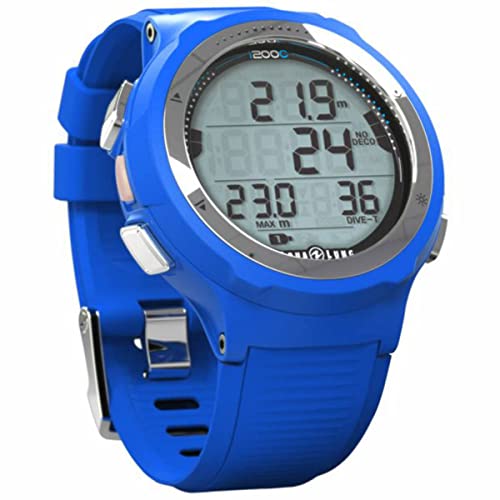
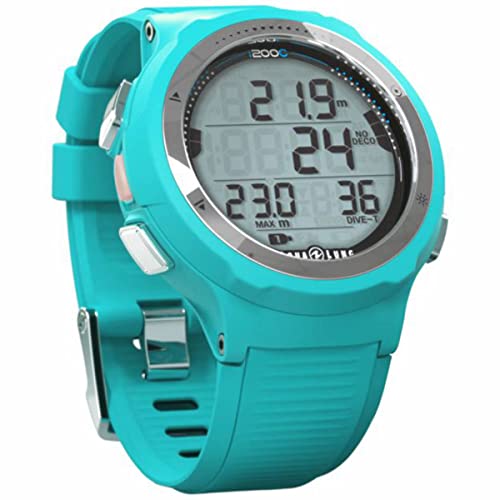
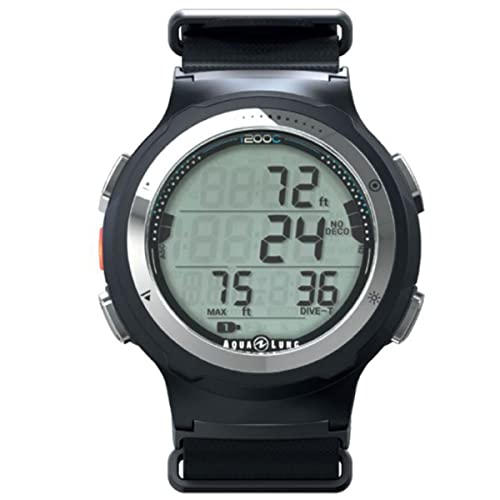
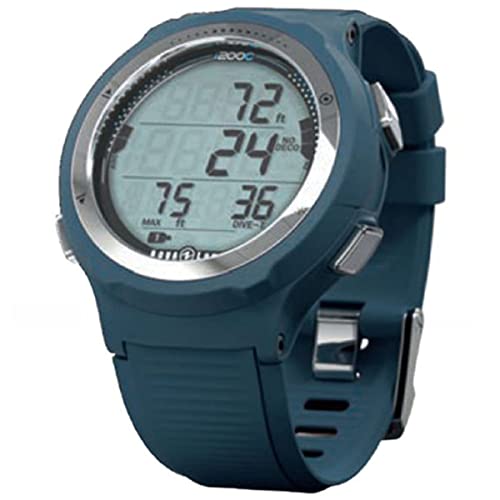
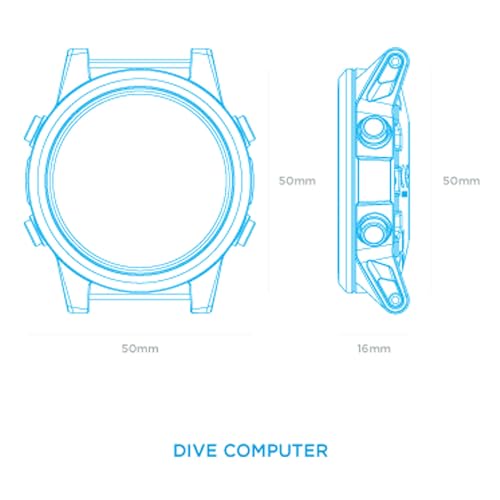
The i200C is a compact watch-style dive computer. It has a composite case with a stainless steel bezel. The display is a segmented LCD measuring about 3 cm in diameter. The whole unit is 4.6 cm across and weighs 85 grams. Navigation uses two buttons on the right side. The screen is protected by mineral crystal glass.
Price runs around $300-350 USD. You get four dive modes: Air, Nitrox, Gauge, and Free (apnea). Maximum depth rating is 100 meters. The computer uses a modified Bühlmann ZHL-16C algorithm. Nitrox support is 21% to 99% oxygen. This targets recreational divers who want a watch they can wear daily. No air integration or digital compass.
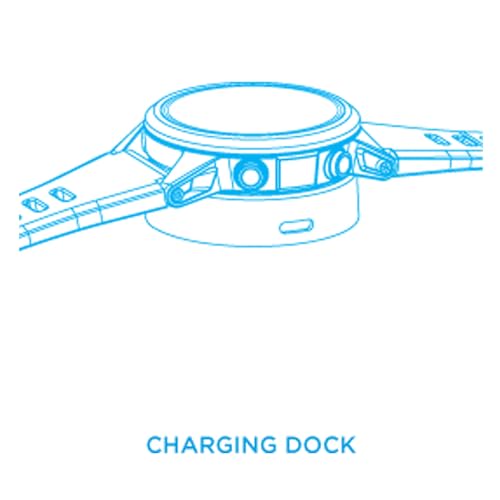
The i200C features Bluetooth for wireless syncing with the DiLog+ app. The battery is rechargeable via USB. The silicone strap is standard 22mm width, so it’s compatible with aftermarket watch straps.
First Impressions and Use
Size and Wearability
I borrowed the i200C from my IDC candidate for two days and used it on three dives in Thailand. The first thing I noticed was the compact size. It’s noticeably smaller than the Suunto D5. At 85 grams, it’s light enough that you forget you’re wearing it. The form factor is genuinely watch-like — not bulky or obviously a dive computer. For daily wear, this is a plus. My candidate wears it every day and says people assume it’s just a sport watch.
Display and Readability
The segmented LCD display is functional but not impressive. It’s readable underwater, but the smaller screen means less information fits at once. It’s comparable with the Suunto D4 that I have been using for a long time. Divers with less than perfect eyesight (like me) will have some difficulty reading the display, especially the smaller secondary data.
The backlight works adequately for night dives. It’s not as bright as the D5’s color screen, but it gets the job done. I guess that younger divers with good vision will have no issues, but divers over 45 sometimes struggle with the smaller digits.
Interface
The two-button interface is simple but limited. With only two buttons, menu navigation requires cycling through options. It’s not as intuitive as three or four button designs. between my dives, I had to reference the manual to change some settings. After a few days of use, muscle memory would probably develop. My IDC candidate said it took him about a week to feel comfortable with the interface.
Diving Performance
On the three dives I did with the i200C, it performed reliably. The algorithm seemed reasonably balanced — not as conservative as Suunto’s RGBM, but not overly liberal either. The computer clearly displayed depth, NDL, and dive time. Safety stop countdown was clear. Alarms for ascent rate were appropriately timed. For recreational diving, it provides all the essential information you need.
A nice feature of the Aqualung i200C is that you can change the sampling rate. A higher sampling rate assures more accurate tracking. Lowering the sampling rate will (should) free up more memory, allowing you to store more dives in the logbook.
In the default setting, the logbook only stores 24 dives, so you may be tempted to set the sampling rate to the lowest setting during your live-aboard holiday. But to a safety conscious diver, that sounds silly. The whole reason that you are wearing a dive computer is to avoid DCS, and a 1-minute sampling rate is simply not the safest setting, especially when you make many dives per day.
Nitrox mode is available for Oxygen percentages between 21% and 100%. A bit extreme for recreational divers.
Bluetooth and Battery
I did not use the Bluetooth connectivity with the DiLog+ app worked, but my candidate syncs his dives wirelessly and it work smoothly according to him. I also did not (need to) charge it. The rechargeable battery is convenient — no need to buy replacements. Aqualung claims about 2-3 weeks of battery life with typical use including some diving. My candidate confirms this is accurate. That’s a lot more battery life than what I get from your Suunto D5.
Market Position
At $300-350, the i200C is positioned between budget wrist computers and premium watch-style models. It’s cheaper than the Suunto D5 ($500+) but more expensive than basic wrist computers like the Mares Puck Lite ($300). Compared to the D5, the i200C is smaller, lighter, and cheaper, but has a less impressive display and simpler interface. Compared to the Mares Puck Lite, the i200C offers daily wearability but fewer dive-specific features like gradient factors.
Other watch style computers like the Garmin Descent series offer more topside features but costs significantly more. For divers who primarily want a dive computer that happens to be watch-shaped, the i200C offers good value. For divers who want extensive topside features or the best display quality, other options may be better.
The i200C fills a niche for divers who want a compact, affordable watch-style computer without premium pricing.
Professional Take
The i200C’s main strengths are its compact size, light weight, and affordable price for a watch-style computer. It genuinely looks and feels like a regular sport watch. The Bluetooth connectivity and rechargeable battery add modern convenience. For divers who prioritize form factor and daily wearability, it delivers.
The smaller display is the primary drawback. While readable, it’s not as clear or easy to scan as larger screens. The two-button interface is functional but not ideal. Older divers or those with vision challenges may prefer computers with bigger displays.
This computer suits recreational divers who want a watch they can wear daily without looking like they’re wearing dive equipment. It’s ideal for frequent travelers and divers who value compact size and light weight.
Recommendation
Buy the i200C if you’re a recreational diver who wants a budget friendly, compact watch-style computer. It’s perfect for someone doing 20-60 dives per year who values a computer that doesn’t look like dive gear. The light weight and small size make it ideal for travel.
Skip it if you want a large, easy-to-read display or advanced features like gradient factors. Also skip if you’re over 45 with declining eyesight — larger displays like the Suunto D5 will serve you better. Skip if you want extensive topside smart features — Both Suunto and Garmin offer more in that department.
For divers who prioritize compact size and daily wearability in a watch-style computer, the i200C delivers solid value. It’s not the most feature-rich or easiest to read, but for its size and price, it’s a capable recreational dive computer. Based on my brief experience and my candidate’s feedback, it’s a solid choice for the right diver.
| General Specifications | ||||||||||||||||||||||||||||
|---|---|---|---|---|---|---|---|---|---|---|---|---|---|---|---|---|---|---|---|---|---|---|---|---|---|---|---|---|
|
||||||||||||||||||||||||||||
| Computer Specifications | ||||||||||||||||||||||||||||
|
||||||||||||||||||||||||||||
| Pros and Cons | ||||||||||||||||||||||||||||
|
||||||||||||||||||||||||||||
Related Products
-
 ×
×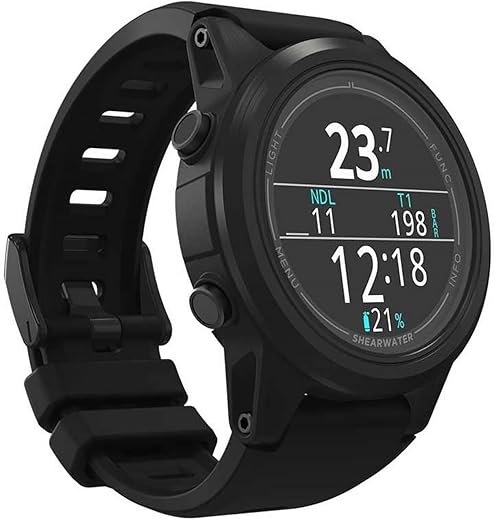
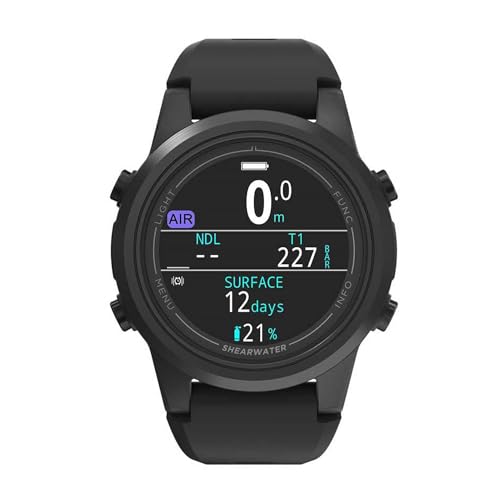
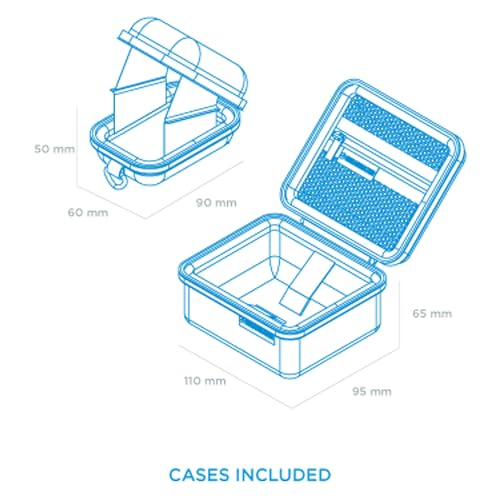
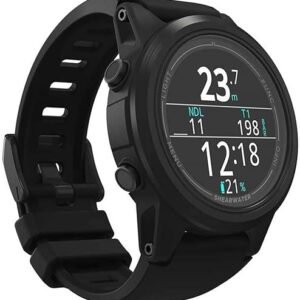
Shearwater Tern TX
$805.00
Open full product pageShearwater reliability meets watch-style convenience with brilliant AMOLED display and wireless air integration.
00 -
 ×
×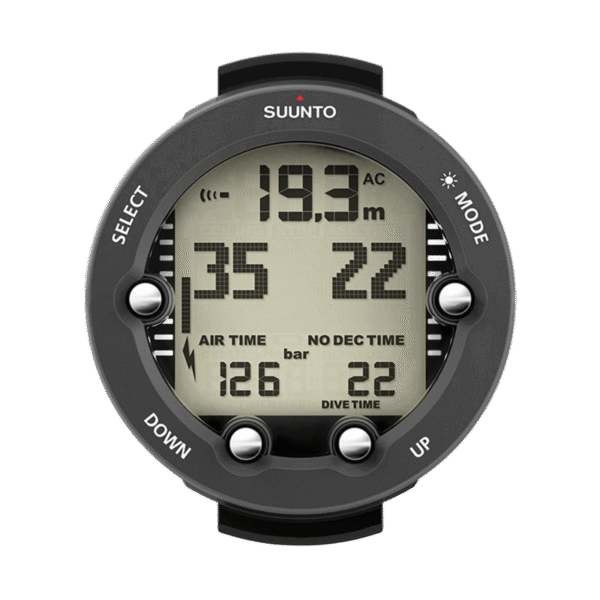


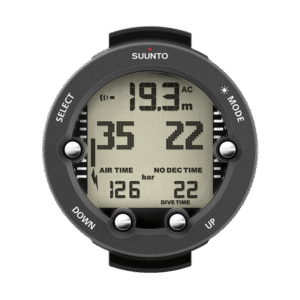
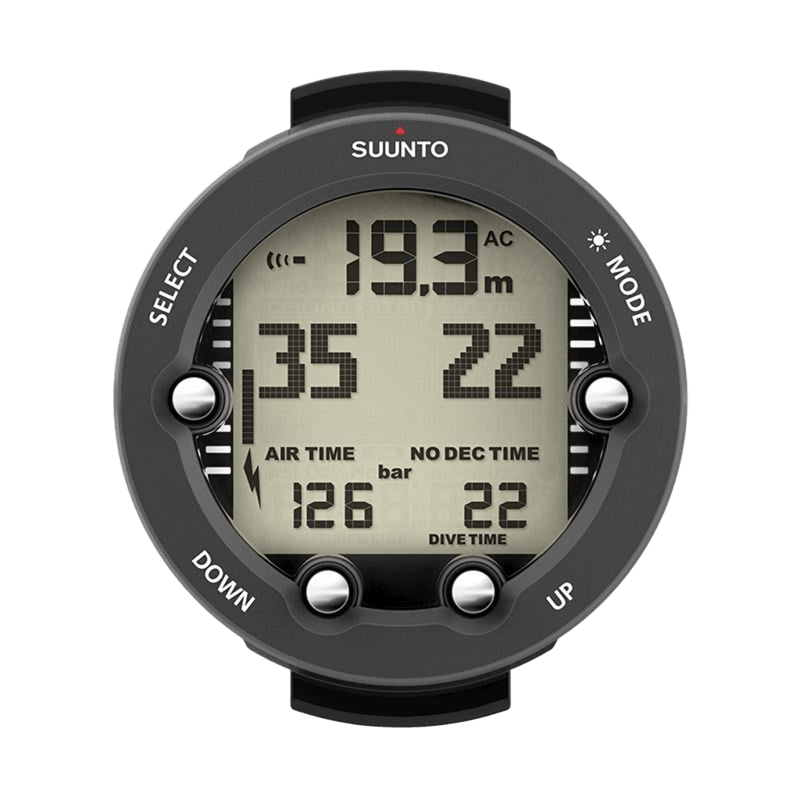
Suunto Vyper Novo
$359.00
Open full product pageMid-range recreational computer with air integration, compass, and multi-gas capability for growing divers.
00 -
 ×
×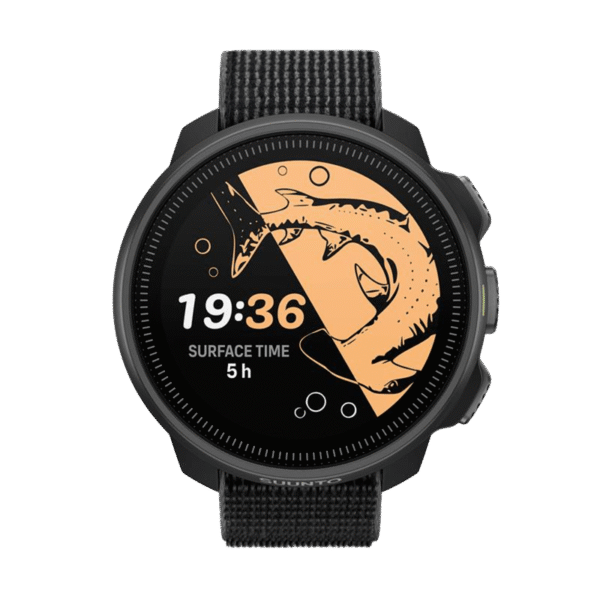


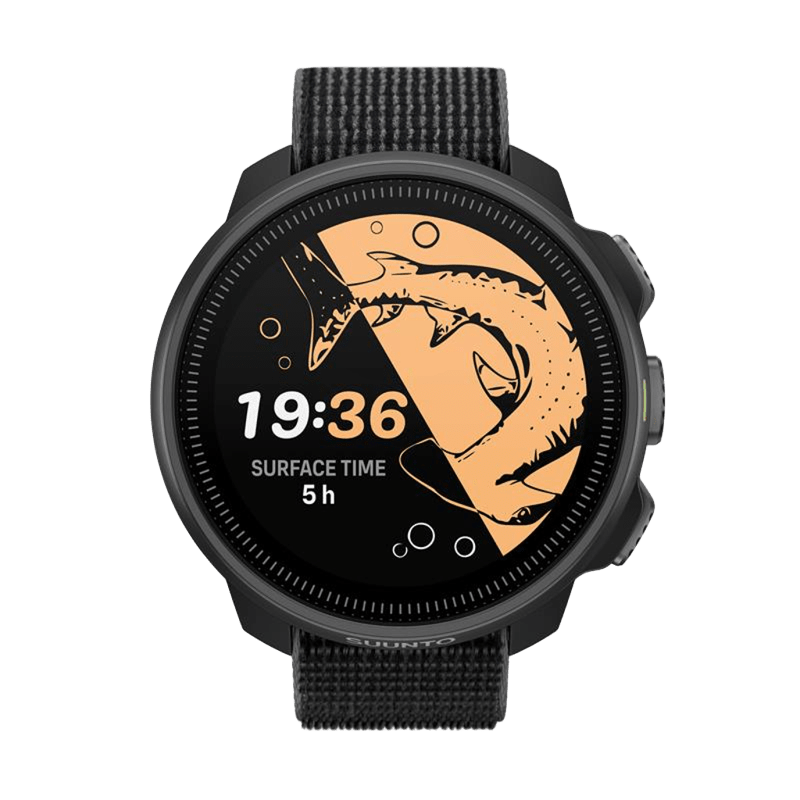
Suunto Nautic S
$549.00
Compact technical dive computer with brilliant AMOLED display and exceptional value for dedicated divers.
Out of stock
Open full product page00 -
 ×
×


Suunto Nautic
$729.00
Open full product pageProfessional-grade technical dive computer with brilliant AMOLED display and exceptional battery life.
00
Latest Revies







Reviews
There are no reviews yet.