
0
0
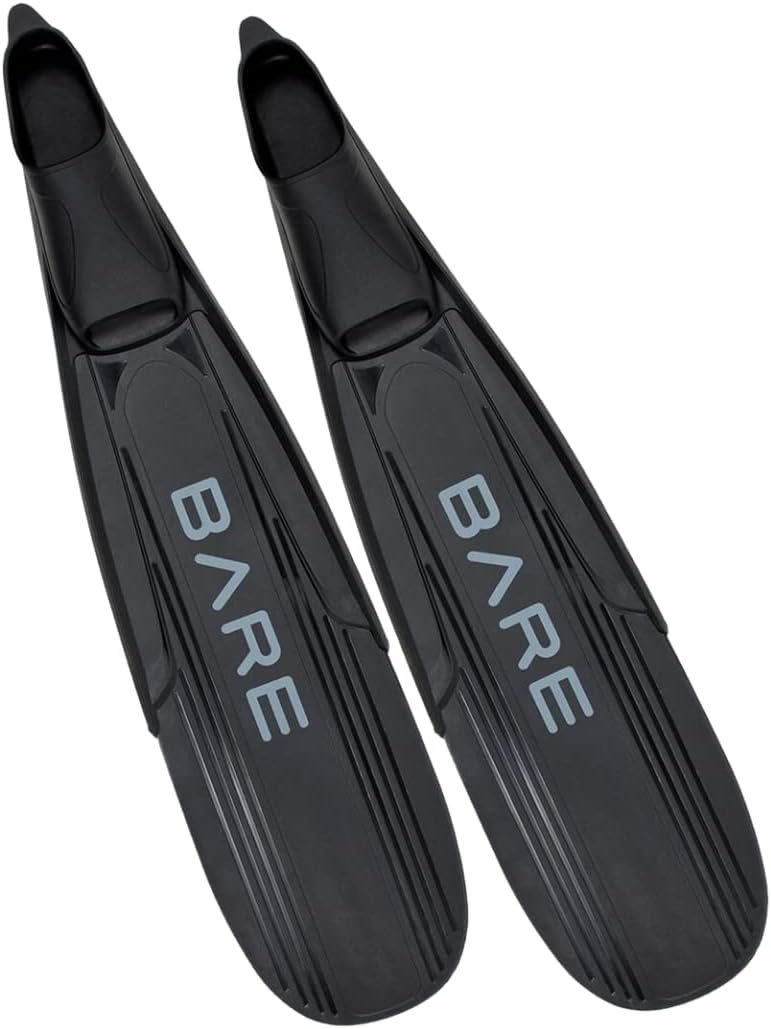
Bare Predator Freediving Fins
Budget entry-level fins for casual introduction to long blade format at minimal cost.
Pros
• Durable plastic construction, • Lowest price point provides affordable introduction to long blade freediving
Cons
• Basic rigid blade lacks engineered flex patterns limiting propulsion efficiency
Compare Prices


* We earn a small commission on your purchase without increasing the price.
Bare Predator Freediving Fins Review
The Bare Predator occupies the budget entry point in freediving fins. These are basic plastic long blade fins built for absolute beginners and recreational snorkelers who want to try long blades without significant investment. I’ve seen these recommended to students who aren’t sure if freediving will become a serious pursuit. The main appeal is the very low price point around $70, and the simple rigid blade design that provides basic propulsion. This is a minimal-cost option positioned for first-time users and casual recreational divers.
What’s Included
The blade uses rigid plastic polymer material. The blade design is straightforward without advanced flex patterns or channeling. Blade length is approximately 70-75 cm depending on size. The full foot pocket is basic molded rubber. Complete fin weight ranges from 800-900 grams depending on size. Price sits around $60-80 at most retailers. Available in black and blue camouflage colors. Sizes run from small to 2XL covering most foot sizes. These fins work for snorkeling, basic freediving introduction, and pool training.
Performance Notes
Basic Propulsion
The rigid blade provides straightforward propulsion without refinement. The blade doesn’t have parabolic flex or variable thickness—it bends in a simple arc during finning. For absolute beginners learning what long blade fins feel like, this simplicity works fine. You get forward movement without the leg fatigue of heavier composite fins. The performance ceiling is low—these won’t deliver efficiency for serious depth work or extended swimming. They function as introduction to long blade format.
Fit and Comfort
The foot pocket is basic but functional. The molded rubber provides adequate comfort for short sessions. Extended use beyond an hour can create pressure points, particularly at the instep and heel. Sizing runs reasonably accurate to stated measurements. The pocket doesn’t have advanced ergonomic shaping or soft compounds—it’s basic molded rubber that gets the job done without premium feel.
Build Quality
The construction quality matches the price point. The plastic blade is thick and durable—it won’t crack or break from normal use. The connection between blade and foot pocket is solid enough for recreational diving. The materials won’t match the longevity of premium fins, but for occasional use these should last several seasons. They’re basic fins built to a price, not refined equipment for regular use.
Limitations
These fins have clear limitations. The rigid blade doesn’t provide efficient energy transfer compared to fins with engineered flex patterns. The basic foot pocket won’t deliver comfort for extended sessions. The weight is higher than more refined plastic fins. For serious freediving beyond shallow recreational depths, you’ll immediately notice the performance gap. These are starter fins, not training equipment for advancing skills.
Market Position
Against the Mares Concorde at $100, the Predator costs $30-40 less but delivers noticeably less refinement and comfort. The XS Scuba Hypos at $90 provides better blade design and tracking for slightly more money. The Oceanic Predator at $135 offers similar basic construction with different branding. The Bare Predator’s only real advantage is lowest price for entry to long blade freediving.
My View
The strength is purely the price. At $60-70, these are the cheapest entry to long blade format. The limitations are numerous—basic construction, limited comfort, low performance ceiling, and no advanced features. For people who want to try freediving without commitment or need cheap fins for occasional snorkeling, these serve that narrow purpose. They’re not appropriate for regular freediving practice or skill development.
Who Should Buy
Buy the Bare Predator if you want the absolute cheapest introduction to long blade fins and aren’t sure if freediving will become a regular activity. They work for casual snorkeling or trying freediving once or twice to see if you enjoy it. The low cost makes them acceptable for infrequent use. Skip them if you plan to freedive regularly or want to develop proper technique—spending slightly more on Mares Concorde or XS Scuba Hypos delivers substantially better experience. Also skip if you value comfort for extended sessions. Better alternatives for committed beginners include the Mares Concorde at $100 or OMER Stingray EVO at $110 which provide genuine performance improvement. If budget is truly constrained, these work as temporary introduction before upgrading.
| General Specifications | ||||||||||||||
|---|---|---|---|---|---|---|---|---|---|---|---|---|---|---|
|
||||||||||||||
| Fin Specifications | ||||||||||||||
|
||||||||||||||
| Pros and Cons | ||||||||||||||
|
||||||||||||||
Related Products
-
 ×
×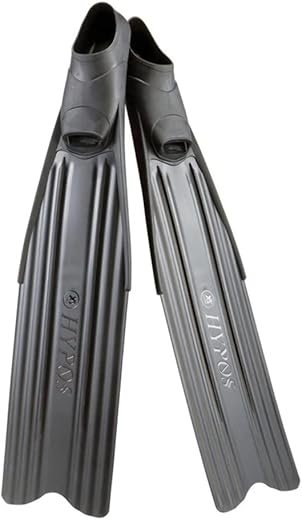
XS Scuba Hypos Long Blade Freediving Fins
$89.96
Open full product pageLightweight floating fins with channeled stability ideal for freediving beginners and students.
00 -
 ×
×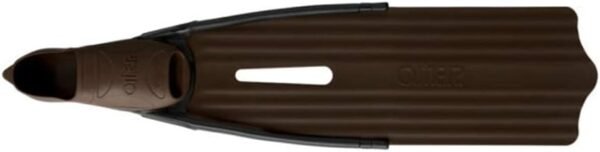
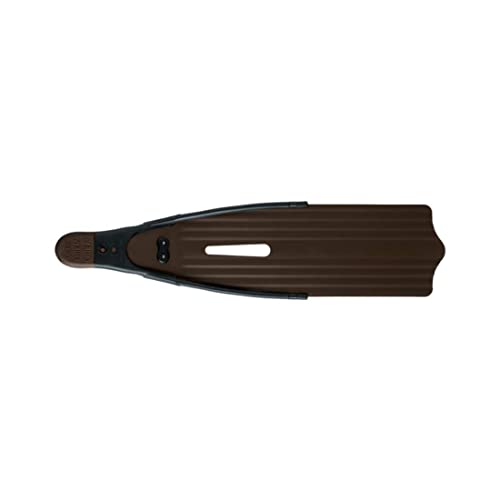
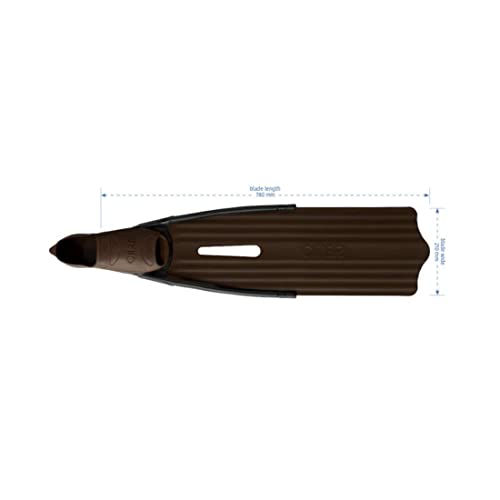
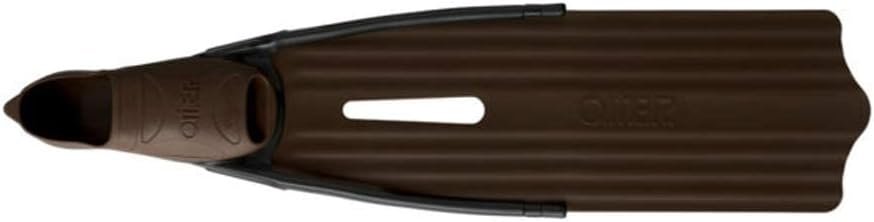
OMER Stingray EVO Long Blade Freediving Fins
$111.75
Open full product pageVersatile plastic fins with wide blade thrust and modular upgrade path to composite.
00 -
 ×
×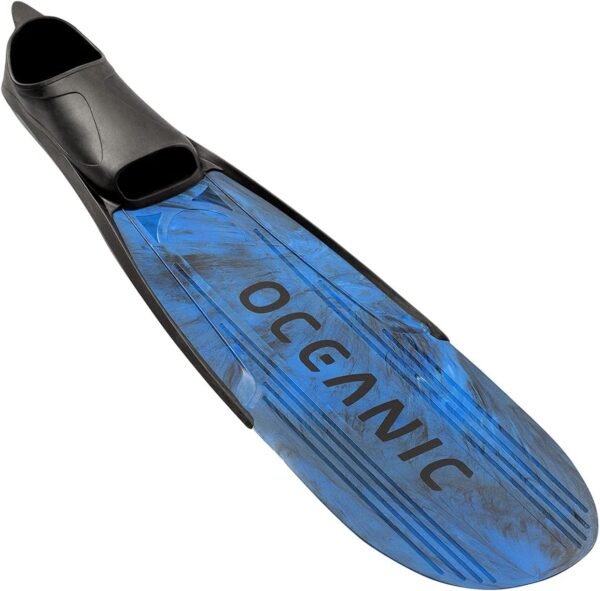
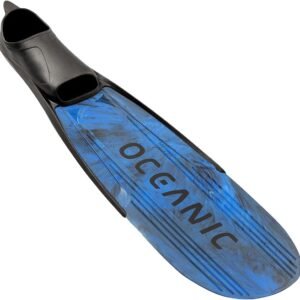
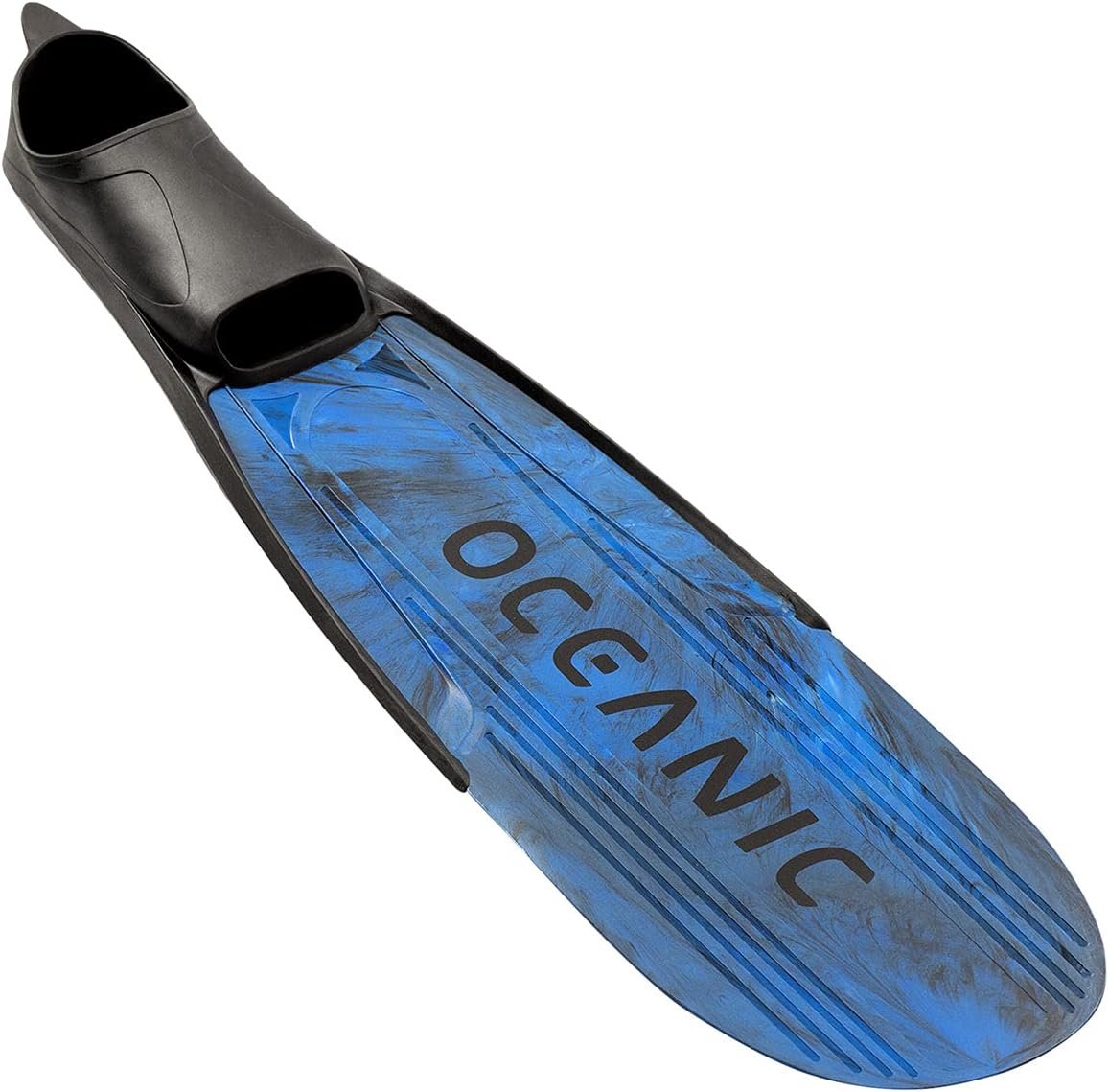
Oceanic Predator Freediving Fins
$134.95
Open full product pageDurable entry-level fins with ribbed blade and convenient heel tab for beginner freedivers.
00 -
 ×
×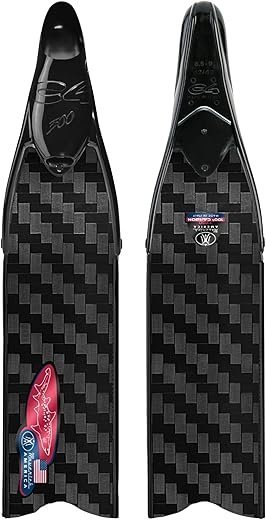
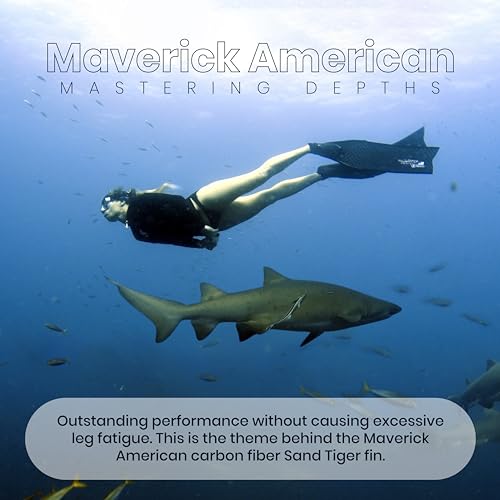
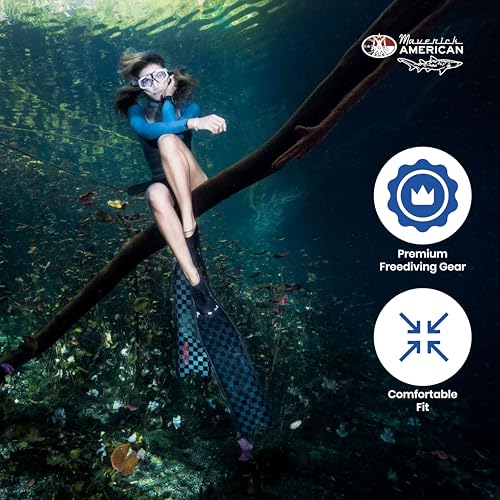
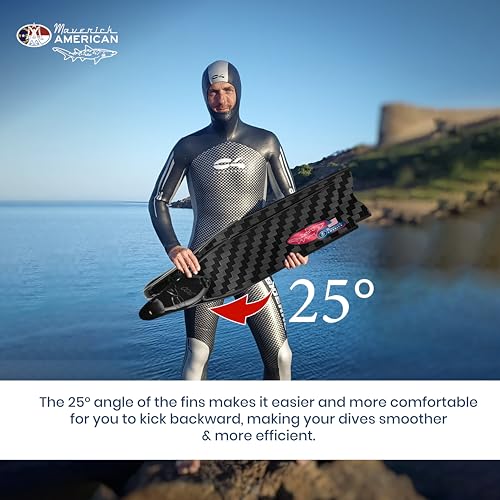
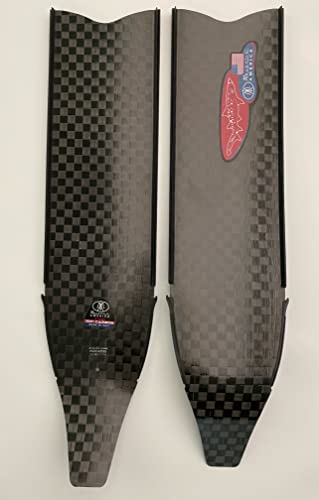
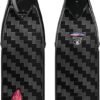
Maverick America DJ Sand Tiger Carbon Freediving Fins
$336.71
Open full product pageLightweight carbon fins with parabolic blade design optimized for spearfishing maneuverability.
00
Latest Revies







Reviews
There are no reviews yet.