


0
0
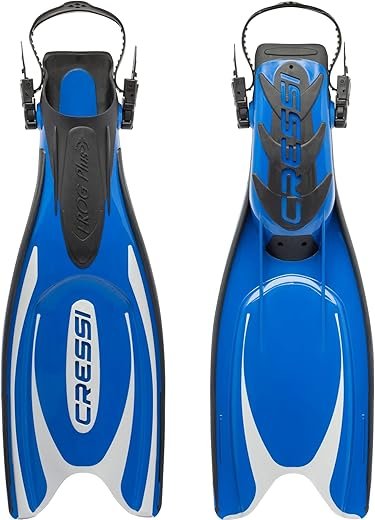
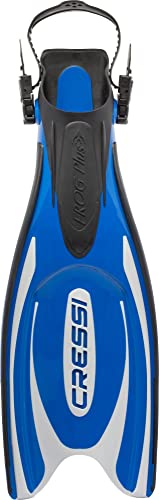
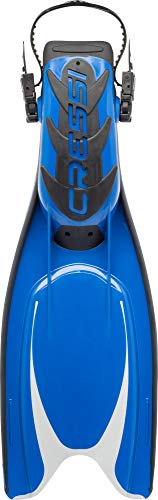
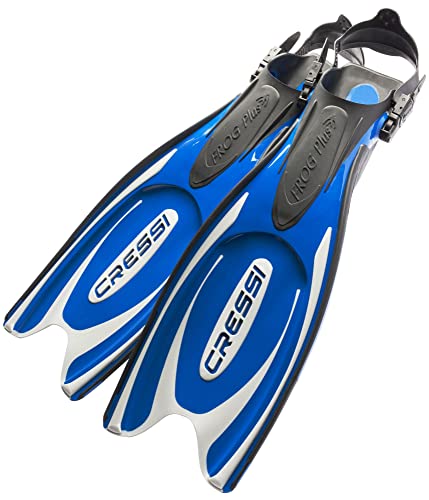
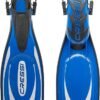
Cressi Frog Plus Fins
Affordable, comfortable fins perfect for recreational divers on a budget.
Pros
Comfortable foot pocket, Excellent price point for quality construction from a major brand, Good durability for recreational use
Cons
Lacks power in currents, Not suitable for technical diving or precision maneuvers
Compare Prices

Cressi Adult Powerful Efficient Open Heel Scuba Diving Fins | Frog Plus: made in Italy
Amazon.com
* We earn a small commission on your purchase without increasing the price.
Cressi Frog Plus Fins: Budget-Friendly Performance That Works
The Cressi Frog Plus hits a sweet spot for divers looking for an affordable, comfortable fin that gets the job done without breaking the bank. I’ve used these fins for about almost 7 years, close to 2000 dives, teaching students in the pool and diving in warm water. At around $90-120, they’re one of the most budget-friendly options from a major brand. They’re designed for recreational divers who want decent performance without spending premium prices.
What You’re Getting
The Frog Plus uses Cressi’s three-material injection molding technology. The blade is made from dual-density techno polymer. Thermoplastic rubber forms the foot pocket and extends up the side rails. Silicone-based inserts create a channeling effect for improved water flow. Weight is around 0.75-0.9 kg per fin depending on size. Blade length ranges from 56.9 to 68.3 cm. Available in four sizes from XS/S to L/XL. Comes in three colors: black, blue, and yellow. Price sits around $90-120. These are aimed at entry-level to intermediate recreational divers.
Real-World Performance
I’ve used these fins primarily when teaching courses in Southeast Asia. The blade is noticeably more flexible than the stiffer Cressi Frog or more expensive models. This makes them easy to kick with minimal leg strain, which beginners really appreciate. Flutter kick feels natural and doesn’t require much effort. The fins work well for easy cruising and reef diving.
Many students who’ve bought these fins after trying them in courses report that they’re comfortable for long dive days. One of my colleagues uses them as his backup fins and says the soft foot pocket makes them easy to slip on, even in the water. The foot pocket positions below the blade, which Cressi claims increases the working surface area by 20 percent. In practice, this means you get reasonable thrust without needing powerful kicks.
The limitation becomes clear when you need power. In moderate to strong currents, the blade can feel too flexible. You’ll find yourself kicking harder to maintain position. Some experienced divers describe this as the blade ‘bending too much’ under load. If you’re used to stiffer fins, the Frog Plus will feel soft. For relaxed diving in calm conditions, this flexibility is actually comfortable. For current or when you need speed, it’s a drawback.
Durability seems solid for the price. The techno polymer blade shows good resistance to wear. After eight months of pool use and tropical diving, mine show minimal scratching. The foot pocket material is soft but hasn’t torn or cracked. The quick-release buckles work smoothly and the adjustable straps hold position well.
How They Compare
Against the Cressi Reaction EBS ($140-175), the Frog Plus is significantly cheaper but also more flexible and less powerful. The Reaction gives you better thrust in currents and is lighter for travel. The Frog Plus is better if budget is your main concern and you’re diving mostly in calm conditions.
Compared to the Mares Avanti Quattro Plus ($140-190), the Frog Plus is less expensive and easier to kick, but delivers significantly less power. The Mares fins are stiffer, faster, and work better in currents. They’re also heavier and more tiring for beginners. The Frog Plus makes sense if you’re new to diving or prefer an easy, relaxed kick style.
The value proposition is strong. At nearly half the price of premium fins, the Frog Plus delivers acceptable performance for recreational diving. You’re trading power and stiffness for affordability and comfort.
Our Take
The Frog Plus succeeds as an entry-level to mid-level recreational fin. The soft, flexible blade makes kicking easy and comfortable, which beginners really value. The price point is excellent. The construction quality is good enough that you won’t need to replace them quickly.
The main limitation is power. The flexible blade struggles in currents and won’t satisfy divers who want speed or aggressive performance. Technical divers will find them too soft. But for the target audience of recreational divers doing reef dives and easy conditions, they work well.
Final Recommendation
Buy the Cressi Frog Plus if you want an affordable, comfortable fin for recreational diving in calm to moderate conditions. They’re a good choice for beginners who are building their first gear setup and want reliable equipment without spending premium prices.
The soft blade and easy kick make them suitable for divers who prefer comfort over power, or those with less leg strength. They work well for tropical reef diving, easy boat dives, and pool training. The budget price makes them practical for occasional divers who don’t want to invest heavily in gear.
Skip them if you regularly dive in strong currents or need maximum thrust. They’re not suitable for technical diving or situations where precise, powerful kicks are required. Experienced divers used to stiffer fins will likely find them too flexible.
| General Specifications | ||||||||||||
|---|---|---|---|---|---|---|---|---|---|---|---|---|
|
||||||||||||
| Fin Specifications | ||||||||||||
|
||||||||||||
| Pros and Cons | ||||||||||||
|
||||||||||||
Related Products
-
 ×
×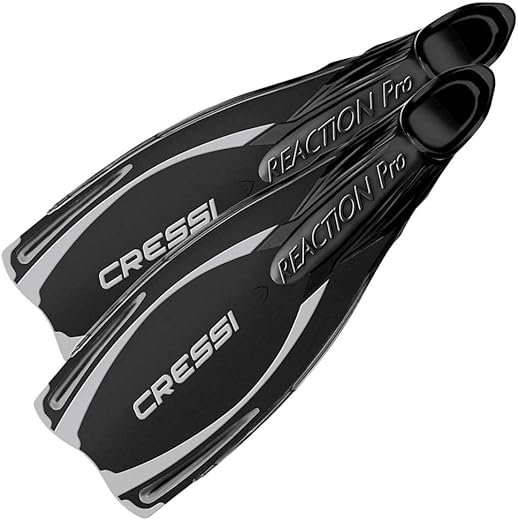


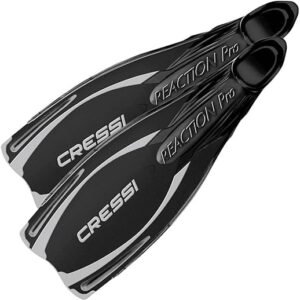
Cressi Reaction Pro Full Foot Fins
$94.95
Open full product pageFreediving-inspired performance fins delivering responsive power for demanding warm-water divers.
10 -
 ×
×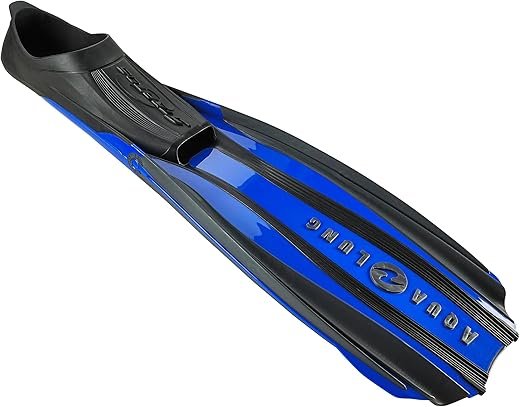
Aqualung Stratos 3 Full Foot Fins
$66.17
Open full product pageDurable warm-water fins combining comfort and value for tropical diving and snorkeling.
00
Latest Revies







Reviews
There are no reviews yet.