


0
0
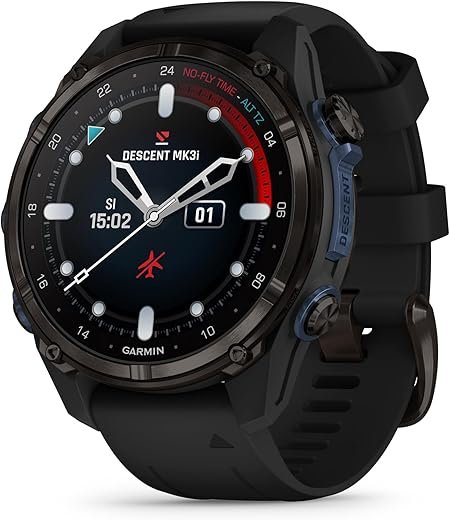
Garmin Descent Mk3i 43mm
Premium dive computer with brilliant AMOLED screen and comprehensive smartwatch features for serious divers
Pros
Brilliant AMOLED screen, Diver-to-diver messaging, Smartwatch functions
Cons
Garmin T1/T2 transmitters—not compatible with standard MH8A transmitters used by other brands, Premium price
Compare Prices

Garmin Descent™ Mk3i, Dive Computer and Multisport GPS Smartwatch, Air Integration, Black
Amazon.com
* We earn a small commission on your purchase without increasing the price.
Garmin Descent Mk3i 43mm Review: Premium Dive Computer Meets Everyday Smartwatch
The Garmin Descent Mk3i has become the watch I see on serious divers who want one device for diving, training, and daily wear. At $1,400, it sits at the premium end of dive computers, competing directly with Shearwater’s technical lineup while offering comprehensive smartwatch features that Shearwater doesn’t attempt. I’ve spoken to a cutomer who switched from the Mk2i to the Mk3i, and the improvement in screen quality alone justifies the upgrade, according to him. The 43mm version offers the full Mk3i feature set in a smaller package that works better for smaller wrists while still supporting air integration and SubWave communication. What makes the Descent Mk3i dive computer compelling is the combination of a brilliant AMOLED screen, exceptional battery life, and the ability to handle everything from recreational nitrox diving through technical trimix and rebreather diving—all while tracking your running, cycling, and everyday fitness.
What You Get
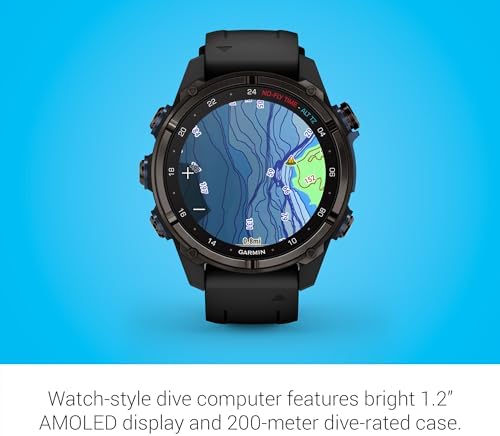
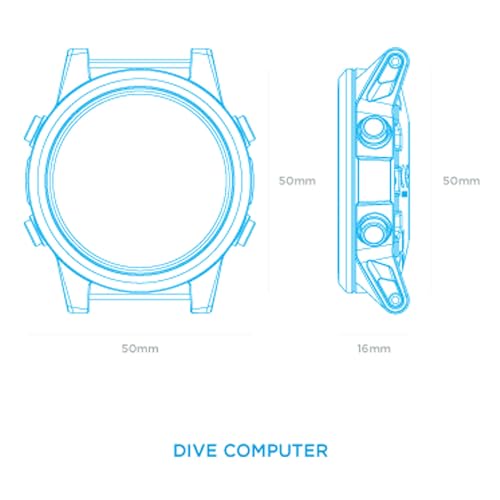
The Garmin Descent Mk3i 43mm comes with a silicone or titanium band (depending on version), USB charging cable, and quick start guide. The computer weighs approximately 60-80g depending on band choice and measures 43mm in diameter. The 1.2-inch AMOLED touchscreen displays 390 x 390 pixels behind scratch-resistant sapphire crystal. The titanium or DLC-coated titanium bezel protects the case. Five buttons plus touchscreen handle navigation—touchscreen works on the surface but automatically disables underwater. The rechargeable battery delivers up to 31 hours in dive mode with always-on display. Garmin rates the Mk3i to 200m (20 ATM), doubling the depth rating of the previous Mk2i. Multiple color options include bronze titanium, carbon gray DLC titanium, and other variants. The Mk3i differs from the standard Mk3 by including SubWave sonar technology for diver-to-diver communication and compatibility with Garmin’s T2 transmitters.
Underwater Performance
AMOLED Display
The AMOLED screen is a massive upgrade from the Mk2i’s memory-in-pixel display. Colors are vibrant, text is crisp, and brightness is exceptional even in direct tropical sunlight. Many divers I know who upgraded from the Mk2i mention the screen as the single biggest improvement. The Big Numbers Mode shows depth, NDL, and tank pressure in large, easy-to-read digits with a smaller data panel above that rotates through additional information. You can customize which data appears where, and the color coding helps identify critical information quickly. Common feedback from technical instructors is that students find the Mk3i’s display easier to read than any other dive computer they’ve used. The always-on display option means you can glance at your wrist anytime without pressing buttons.
Air Integration and SubWave
The Mk3i pairs with Garmin’s T2 transmitters (also compatible with older T1 transmitters) for wireless air integration. You can monitor up to eight transmitters simultaneously, covering even complex technical dive configurations. The SubWave sonar technology allows the Mk3i to communicate with other Mk3i users underwater—you can send preset messages and monitor tank pressure, depth, and distance for up to eight divers within 10 meters. Dive professionals I know find the buddy monitoring useful for keeping track of students or clients without constant visual contact. The messaging system works, though messages can take 10-15 seconds to transmit and receive. The T2 transmitter screws into your first stage and provides reliable pressure data, though connectivity can be spotty in concrete pools or very shallow water due to reflections. Increasing transmitter power solves this but reduces battery life.
Dive Modes and Algorithm
The Mk3i supports single gas, multi-gas (including trimix and up to 100% O2), gauge, apnea, apnea hunt, and closed-circuit rebreather modes. The Bühlmann ZHL-16C algorithm with adjustable gradient factors handles decompression calculations. You can program multiple gases and the computer tracks your gas switches. The computer displays Surface GF, which helps you understand your nitrogen loading after surfacing. Technical divers appreciate the comprehensive tissue loading graphs and the ability to customize conservatism through gradient factors. The interface transitions automatically to dive mode when you submerge, and the dynamic screen layout changes based on dive phase—NDL during the dive, safety stop countdown near the end, and surface interval information at the surface.
Navigation Features
The 3-axis compass works well for underwater navigation. GPS automatically marks entry and exit points when you surface, and the computer comes preloaded with DiveView maps showing over 4,000 dive sites globally. You can review topography and plan dives using the maps before entering the water. The GPS acquisition is quick, usually locking within seconds of surfacing. Being able to see exactly where you started and ended your dive adds useful context to your logbook. For boat diving or exploring new sites, the GPS feature is genuinely valuable.
Battery Life
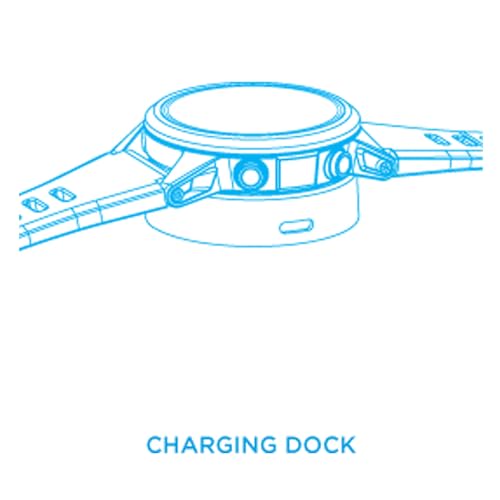
The 43mm version delivers up to 31 hours in dive mode with always-on display, or about 10 days in smartwatch mode. This is significantly better than competitors like the Shearwater Teric, though the larger 51mm Mk3i offers even longer life at 25 days in smartwatch mode. In practice, divers report getting over a week between charges with heavy GPS usage and always-on display enabled. The battery performance is reliable and consistent. Charging takes a few hours with the included USB cable. For dive trips, you’ll charge every few days rather than daily. Some users prefer disabling the always-on display to extend battery life further, though the wrist-raise gesture works well enough that this becomes personal preference.
Dive Logging and Connectivity
The Mk3i stores extensive dive data and syncs automatically to the Garmin Dive app via Bluetooth and WiFi. The app shows detailed dive profiles with depth, temperature, gas switches, tank pressure, and GPS location. You can add photos, notes, and share dives with other users. The integration with Garmin’s broader ecosystem means your dive data appears alongside running, cycling, and other fitness metrics. Many pros report that students appreciate reviewing their dive profiles immediately after surfacing for learning and analysis. The cloud sync means your dive log backs up automatically without manual intervention.
Smartwatch Capabilities
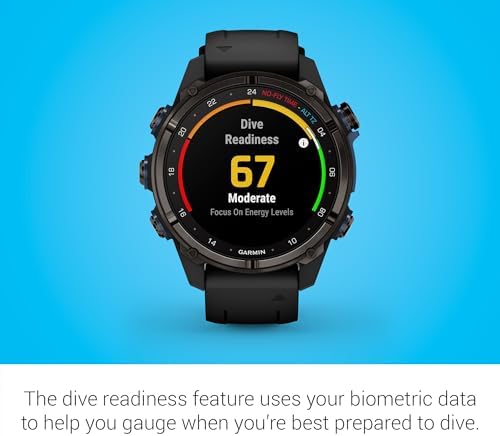
Beyond diving, the Mk3i functions as a premium fitness smartwatch. It tracks 100+ sports and activities including running, cycling, swimming, hiking, skiing, and more. Heart rate monitoring, sleep tracking, stress monitoring, and recovery metrics work reliably. Smart notifications show texts and calls. Garmin Pay enables contactless payments. The fitness tracking is comprehensive—VO2 max estimates, training readiness, HRV status, body battery, and training load. For divers who want one watch for diving, training, and daily wear, the Mk3i delivers professional-grade functionality in both categories. It’s a substantial watch on your wrist but comfortable enough for 24/7 wear.
How It Compares
At $1,400, the Descent Mk3i 43mm competes with the Shearwater Teric ($1,200) and sits above the Shearwater Peregrine ($580) and Garmin’s own G1 ($500). Against the Teric, the Mk3i offers better battery life (31 vs. 20 hours dive mode), GPS, and comprehensive smartwatch features, but the Teric has the Shearwater reputation for reliability and works with standard MH8A transmitters that other brands use. The Peregrine at $580 delivers core Shearwater functionality with excellent screen quality but gives up air integration, GPS, and smartwatch features. The G1 at $500 offers similar dive capabilities with basic smartwatch functions but lacks air integration and the premium AMOLED screen. The Mk3i makes sense for divers who want the most capable dive computer-smartwatch hybrid available and will actually use both the diving and fitness features. If you only care about diving, the Teric or Peregrine offer better value. For divers who want one premium watch for everything, the Mk3i justifies its price through versatility and build quality.
Our Professional Take
The Garmin Descent Mk3i’s main strengths are the brilliant AMOLED screen, exceptional battery life, and comprehensive feature set that spans technical diving through everyday fitness tracking. The SubWave buddy monitoring is genuinely useful for dive professionals. The 200m depth rating and multi-gas support cover serious technical diving. The main limitations are price and the proprietary Garmin T1/T2 transmitter requirement—you can’t use the widely-compatible MH8A transmitters. The 43mm size works well for most wrists while maintaining full functionality. It’s best for serious divers who want a premium dive computer that doubles as their primary fitness watch, dive professionals who benefit from buddy monitoring, and active people who value having one device for diving, training, and daily wear. Skip it if you want the best pure dive computer without smartwatch features—Shearwater’s offerings are more focused. Also look elsewhere if you need MH8A transmitter compatibility or if the $1,400 price exceeds your budget.
Final Recommendation
Buy the Garmin Descent Mk3i 43mm if you’re a serious diver who wants the most capable dive computer-smartwatch combination available. It’s an excellent choice for technical divers who appreciate the comprehensive gas management, 200m depth rating, and proven Bühlmann algorithm. Dive professionals will find the SubWave buddy monitoring genuinely useful for tracking students or clients. The 43mm size fits most wrists better than the larger 51mm while maintaining all dive features. Active people who run, bike, swim, and dive regularly will appreciate having one premium watch that excels at everything. The AMOLED screen alone is worth the upgrade if you’re coming from an older dive computer. Skip this computer if you only care about dive functionality—you’ll pay extra for smartwatch features you won’t use. Look at the Shearwater Teric or Peregrine for more dive-focused options. Also skip it if you need MH8A transmitter compatibility or already own transmitters from other brands. The Mk3i requires Garmin’s T1 or T2 transmitters. Finally, if $1,400 stretches your budget, the Garmin G1 at $500 offers solid dive computer and basic smartwatch functionality. The Mk3i succeeds when you value having the premium screen, longest battery life, and most comprehensive feature set available in a dive computer-smartwatch hybrid.
| General Specifications | ||||||||||||||||||||||||||
|---|---|---|---|---|---|---|---|---|---|---|---|---|---|---|---|---|---|---|---|---|---|---|---|---|---|---|
|
||||||||||||||||||||||||||
| Computer Specifications | ||||||||||||||||||||||||||
|
||||||||||||||||||||||||||
| Additional features | ||||||||||||||||||||||||||
|
||||||||||||||||||||||||||
| Pros and Cons | ||||||||||||||||||||||||||
|
||||||||||||||||||||||||||
Related Products
-
 ×
×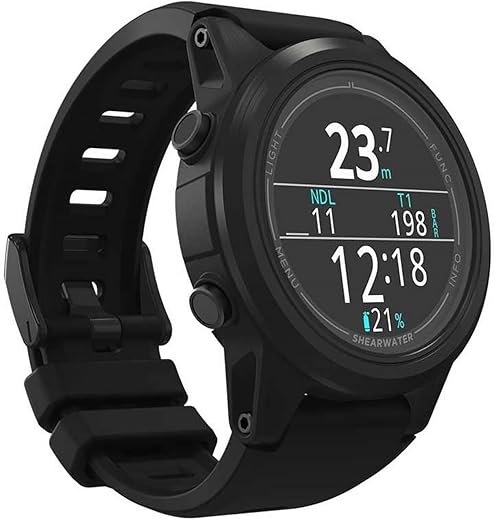
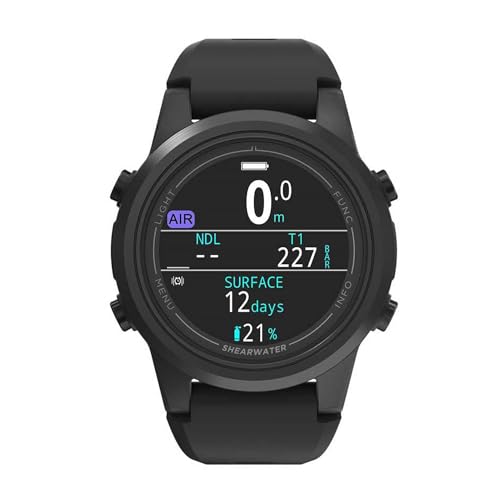
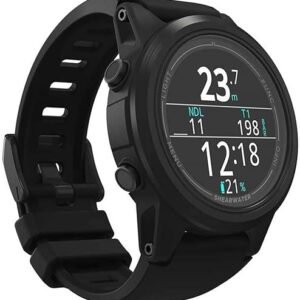
Shearwater Tern TX
$805.00
Open full product pageShearwater reliability meets watch-style convenience with brilliant AMOLED display and wireless air integration.
00 -
 ×
×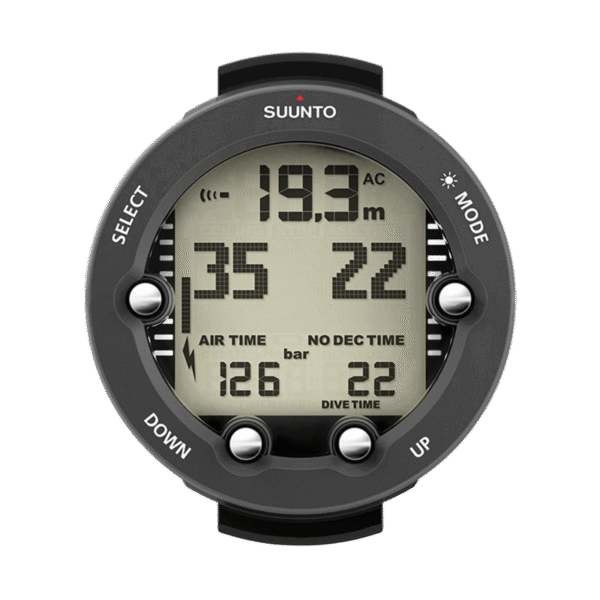


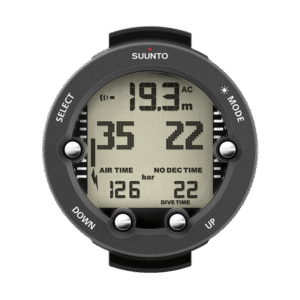
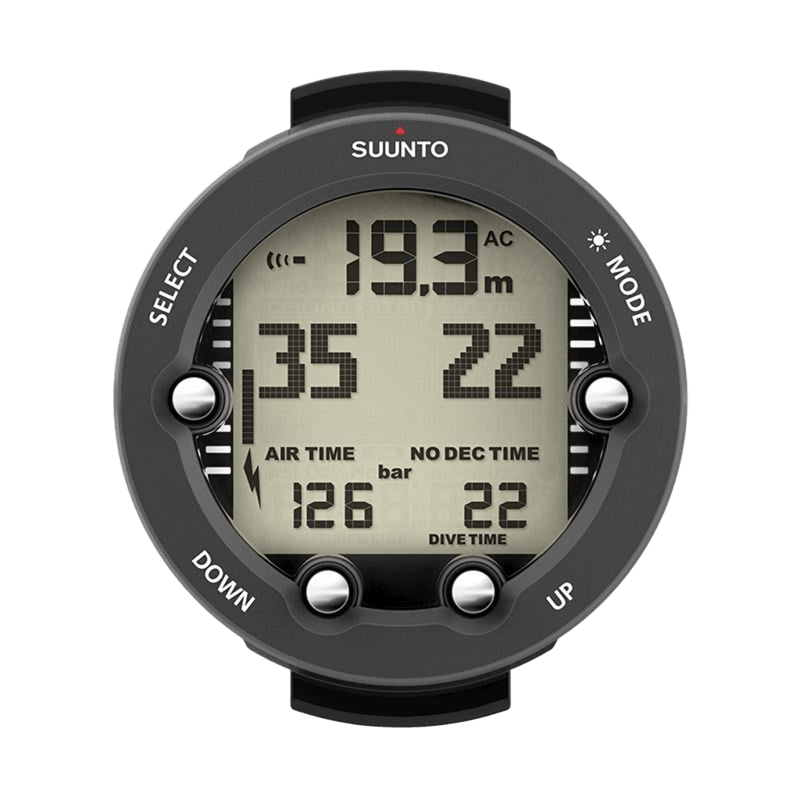
Suunto Vyper Novo
$359.00
Open full product pageMid-range recreational computer with air integration, compass, and multi-gas capability for growing divers.
00 -
 ×
×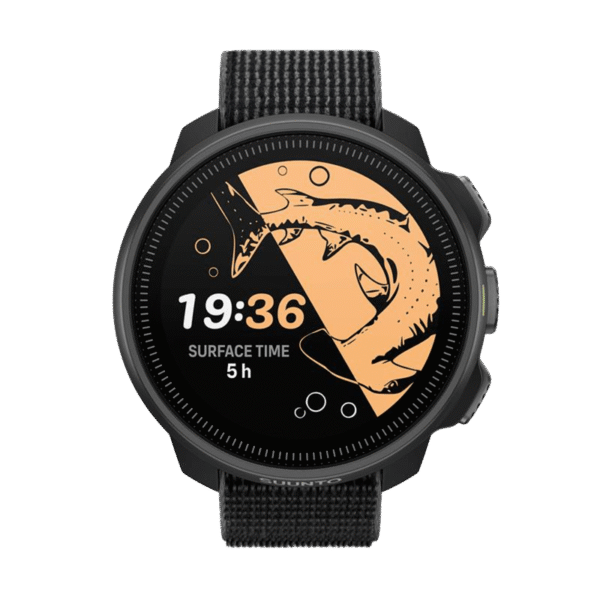


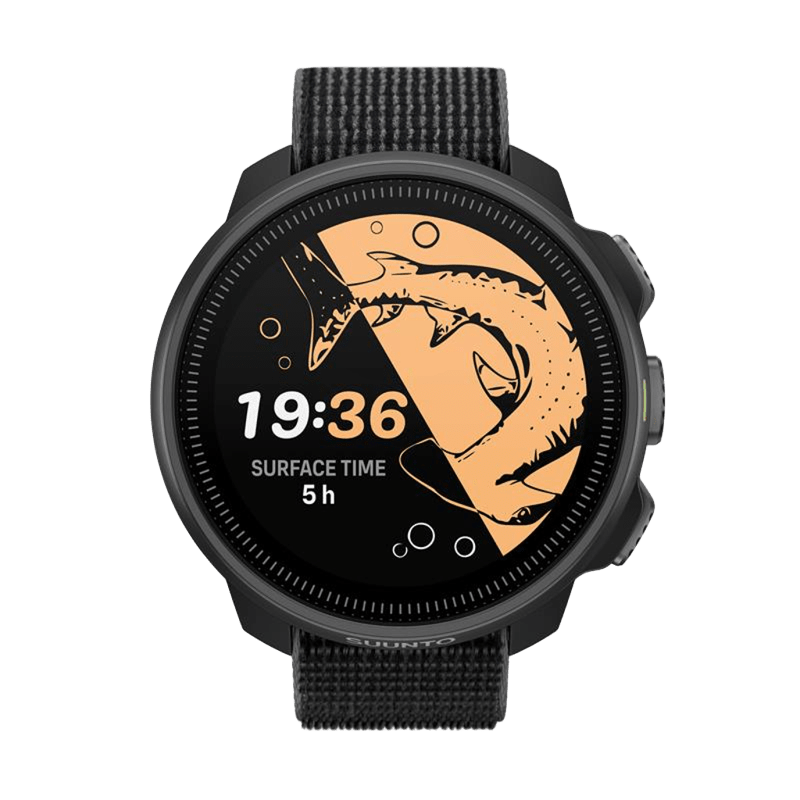
Suunto Nautic S
$549.00
Compact technical dive computer with brilliant AMOLED display and exceptional value for dedicated divers.
Out of stock
Open full product page00 -
 ×
×


Suunto Nautic
$729.00
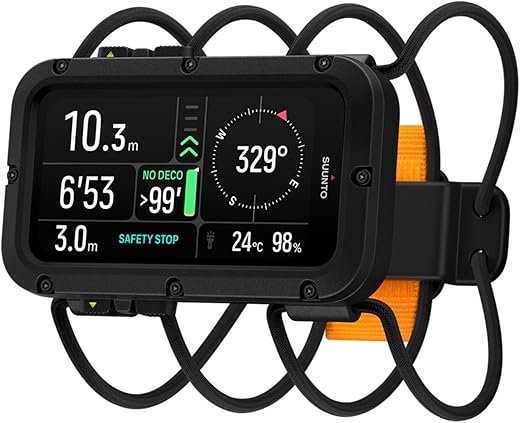
Open full product pageProfessional-grade technical dive computer with brilliant AMOLED display and exceptional battery life.
00
Latest Revies








Reviews
There are no reviews yet.