
0
0
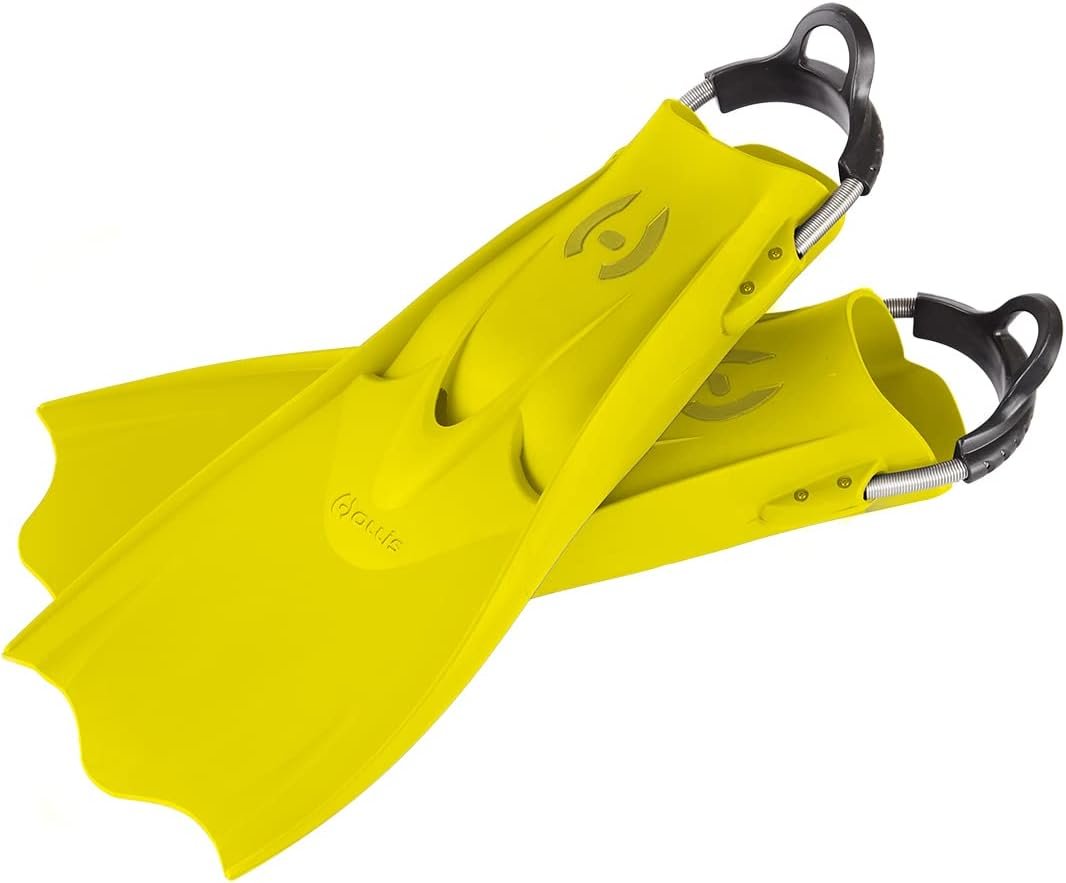
Hollis F1 LT Fins
Lightweight technical fins delivering precise control and maneuverability in confined spaces.
Pros
Exceptional manoeuvrability in confined spaces, Lighter SEBS material helps maintain horizontal trim in wetsuit, Wide foot pocket
Cons
Lacks power in currents, Still heavier than dedicated travel fins
Compare Prices

* We earn a small commission on your purchase without increasing the price.
Hollis F1 LT Fins Review: Compact Power for Technical Divers
The Hollis F1 LT is built for divers who need precision and control in tight spaces. I’ve been using these fins for about nine months now, mostly for wreck diving and pool sessions teaching technical diving skills. At around $180-220, they sit in the upper mid-range price category. They’re designed for technical divers, underwater photographers, and anyone who values maneuverability over raw speed.
What You’re Getting
The F1 LT features a vented blade design made from SEBS thermoplastic elastomer. The blade is shorter than the original F1, measuring approximately 62-65 cm total length. Weight is about 1.27 kg per pair (dry weight). In water they’re slightly negative at approximately -0.19 kg per pair. Comes with stainless steel spring straps standard. Available in three sizes: Regular, XL, and XXL. Available colors are gray, yellow, and white. The foot pocket is wide and curved to accommodate drysuit boots. Price sits around $180-220. These are aimed at technical divers and advanced recreational divers who need control and stability.
Real-World Performance
I’ve used these fins in wrecks, caves, and teaching technical diving courses. The shorter blade makes a real difference in confined spaces. In overhead environments, I can execute frog kicks, back kicks, and helicopter turns without hitting walls or kicking up silt. The blade is stiff enough to provide excellent control but not so heavy that it drags your feet down excessively.
Many technical divers I know switched to the F1 LT from the heavier original F1 specifically because of trim issues. The lighter SEBS material helps maintain horizontal trim in wetsuit configurations where the standard F1 was too negative. One divemaster I work with uses these for sidemount diving and says the near-neutral buoyancy is perfect for that configuration.
The vented blade design works well. Each channel directs water backwards efficiently. Frog kick generates strong thrust with minimal effort. Back kick is precise. Helicopter turns are smooth. Flutter kick works but requires more effort than with longer fins. These aren’t fins for covering long distances quickly on the surface.
The spring straps are excellent. The stainless steel construction is durable and the large pull tab makes donning easy even with thick gloves or dry gloves. The angled strap mounts have multiple positions for fine-tuning the fit. The foot pocket is genuinely comfortable and accommodates both wetsuit booties and bulky drysuit boots without pressure points.
Durability has been solid. The SEBS material shows good resistance to wear. After nine months of regular use including some rocky entries, mine show minimal damage. The spring straps maintain their tension. The material seems UV resistant and hasn’t faded noticeably.
How They Compare
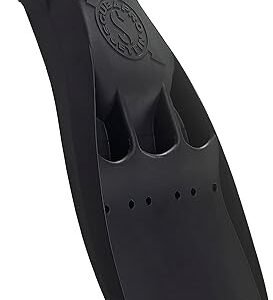
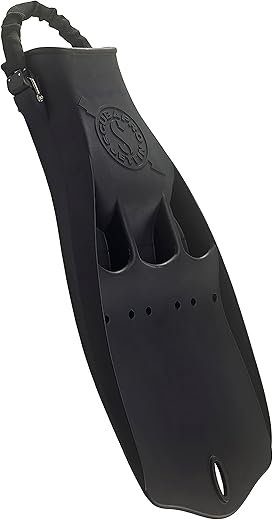
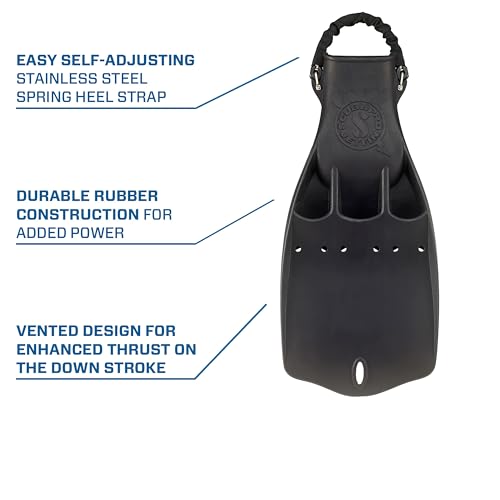
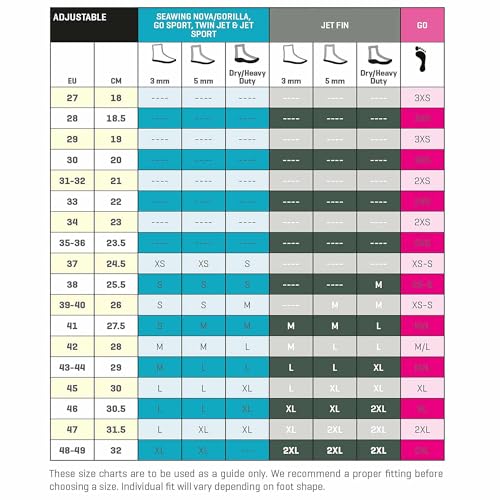
Against the Scubapro Jet Fin ($160-200), the F1 LT is lighter and easier to travel with. The Jet Fins are heavier and more negatively buoyant, which some drysuit divers prefer but can be excessive in wetsuit configurations. The F1 LT offers better trim for most divers. The Jet Fins cost slightly less but the F1 LT includes spring straps standard.
Compared to the Deep6 Eddy ($100), the F1 LT is more expensive but offers better construction quality and a more refined foot pocket. The Deep6 fins are stiffer and near-neutral buoyancy. The F1 LT is slightly negative which some divers prefer. Both are excellent technical fins but the F1 LT feels more polished.
The Aqua Lung Stratos ADJ ($60-90) is significantly cheaper and aimed at recreational divers. It’s lighter and more flexible but lacks the control and precision the F1 LT provides. The Stratos works for casual diving but isn’t suitable for technical applications.
Our Take
The F1 LT succeeds as a refined technical fin. The shorter blade provides excellent maneuverability in confined spaces. The lighter SEBS material helps with trim in wetsuit configurations. The wide foot pocket genuinely accommodates different boot types comfortably. The spring straps add convenience without compromising security.
The main limitation is that they’re still heavier than pure travel fins. At 1.27 kg per pair they’re lighter than the original F1 but not as light as recreational travel fins. They’re also not ideal for long surface swims where longer blades would be more efficient.
Final Recommendation
Buy the Hollis F1 LT if you need precise control for technical diving in confined spaces. They’re a good choice for wreck divers, cave divers, and technical divers who want powerful, maneuverable fins without the excessive weight of the original F1.
The near-neutral buoyancy makes them suitable for sidemount divers and anyone diving in a wetsuit who found heavier fins dragged their feet down. They work well for underwater photographers who need precise positioning and minimal silt disturbance. The wide foot pocket makes them practical for divers who switch between different boot types.
Skip them if you mainly do open water diving with long surface swims. Recreational divers who don’t need technical precision will find better value in lighter, less expensive fins. Also skip them if you need maximum negative buoyancy for drysuit diving with heavy doubles.
| General Specifications | ||||||||||||
|---|---|---|---|---|---|---|---|---|---|---|---|---|
|
||||||||||||
| Fin Specifications | ||||||||||||
|
||||||||||||
| Pros and Cons | ||||||||||||
|
||||||||||||
Related Products
-
 ×
×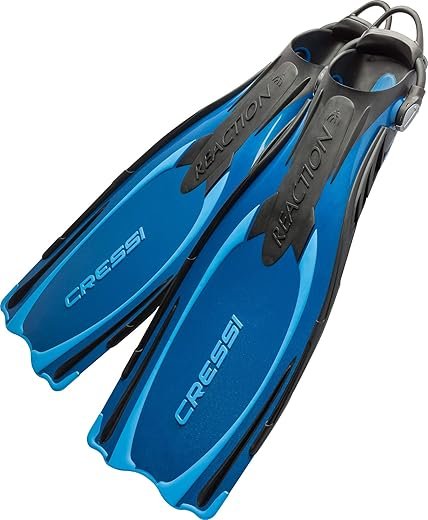
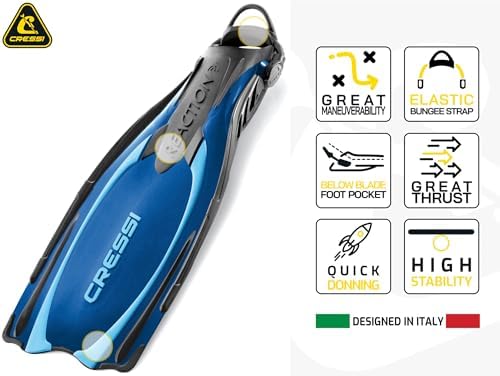


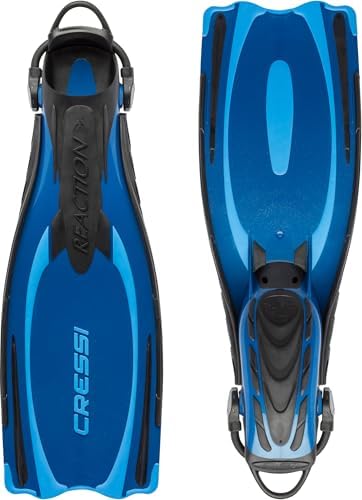
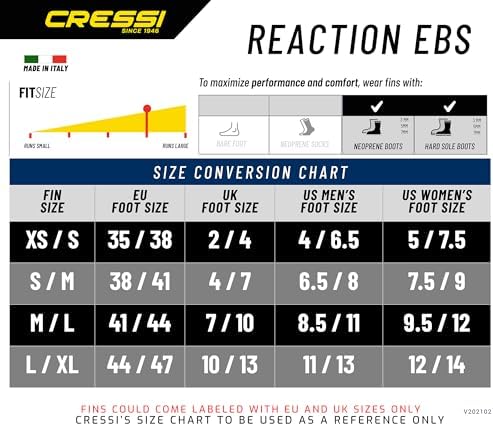
Cressi Reaction EBS Fins
$124.95
Open full product pageLightweight polypropylene fins delivering solid performance for traveling divers and dive professionals.
10 -
 ×
×
Apeks RK4 Dive Fins
$219.00
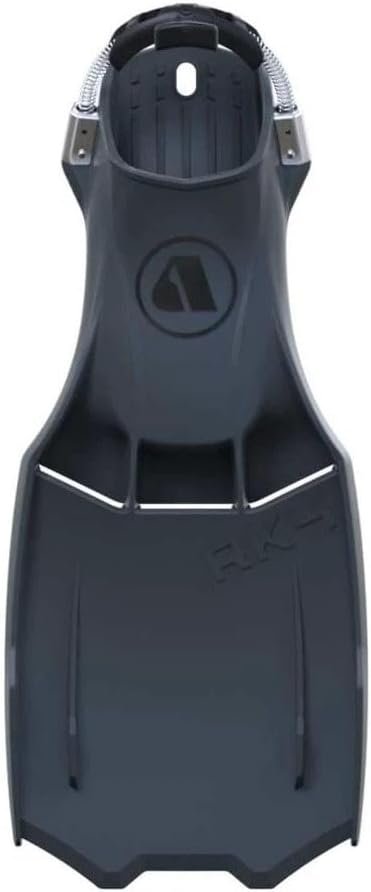
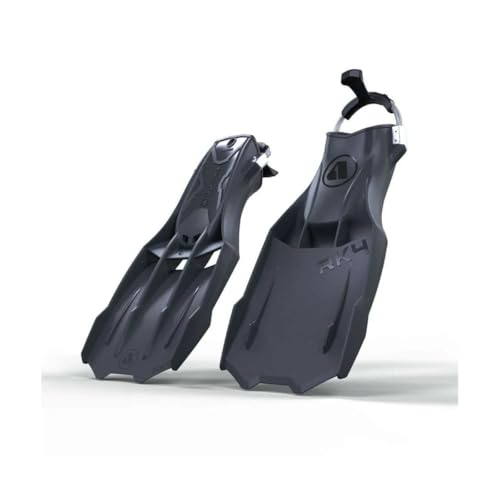
Compact technical fin engineered for precise control in confined spaces and overhead environments.
Out of stock
Open full product page00 -
 ×
×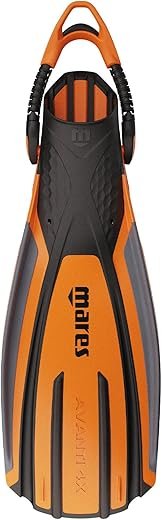
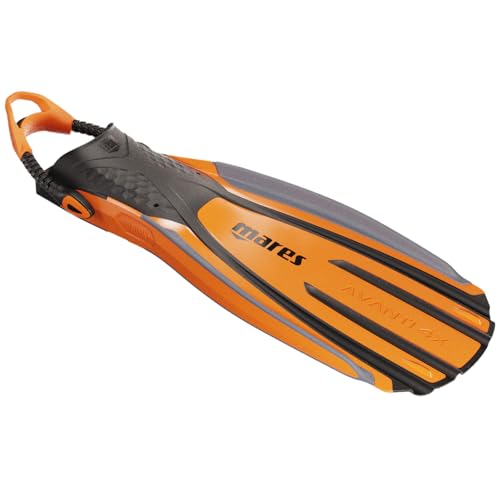

Mares Avanti Quattro 4X Fins
$189.95
Open full product pageRefined four-channel fins combining proven power with next-generation comfort for demanding divers.
00 -
 ×
×


Scubapro Jet Fin
$229.00
Open full product pageLegendary rubber fins delivering maximum power and indestructible durability for demanding technical diving.
00
Latest Revies








Reviews
There are no reviews yet.