

Compare Prices

Mares Puck Lite Scuba Diving Computer | Watch-Style One Button Control Underwater Freediving Scuba Diving Computer - Black
Amazon.com

* We earn a small commission on your purchase without increasing the price.
Mares Puck Lite Dive Computer – impressive features at a reasonable price
Mares is one of the bigger dive brands out there, and they have a huge fanbase. So I regularly see customers and student divers who are using Mares Puck Dive computers. I also have seen the Mares Puck in use as a rental computer with several dive centers.
The Mares Puck comes in a few different versions. The names of the models are very confusing. You’ll see Mares Puck Pro, Mares Puck Pro Ultra, etc. So be careful when reviewing specifications online. This review is about the Mares Puck Lite. Please note: I have not used this particular model myself so this review is based on the experiences that customers and dive centers shared with me.
Key Features
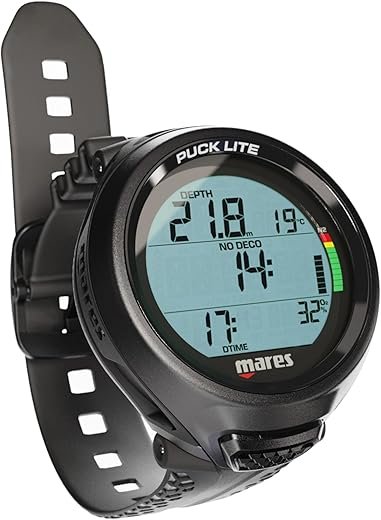
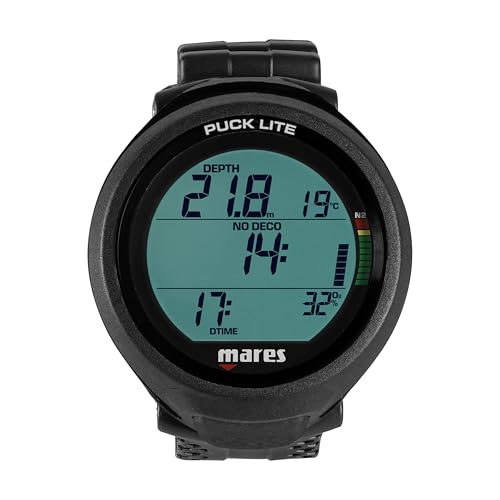
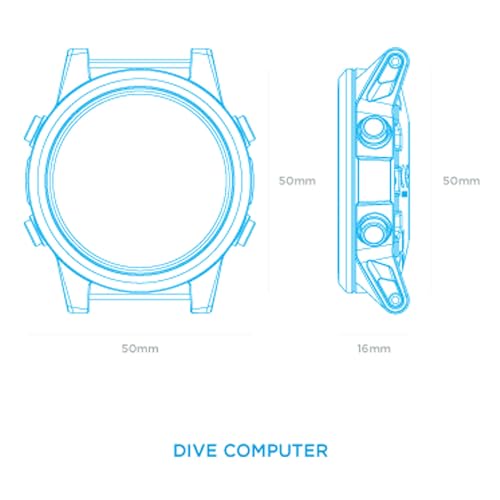
The Puck Lite is a wrist-mounted computer with a sleek design. It has a polycarbonate case with a mineral crystal lens. The HD segment display uses chip-on-glass technology with 800 segments. The unit weighs 120 grams and measures approximately 7.2 cm across. Navigation is handled through a single button on the face.
Price sits around $280 USD. You get three dive modes: Air, Nitrox, and Gauge. The computer uses Bühlmann ZH-L16C algorithm with two adjustable gradient factor options. Maximum displayed depth is 150 meters. Nitrox support ranges from 21% to 50% oxygen. This is aimed at entry-level and recreational divers. No air integration or digital compass.
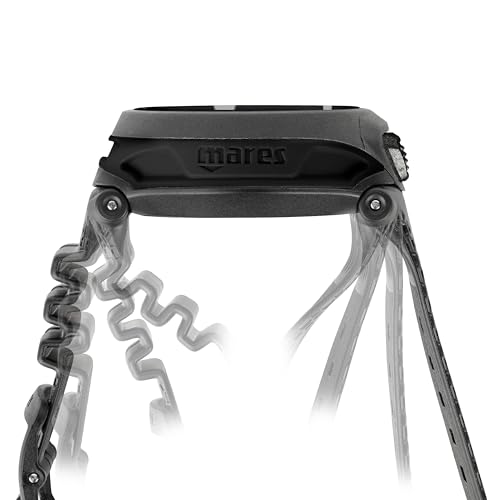
The Puck Lite features Bluetooth connectivity for wireless dive log syncing with the Mares app. The strap is removable and can be swapped for a bungee mount. The computer is also compatible with the Mares Mission console for divers who prefer console mounting.
Real-World Performance
Display and Interface
Dive instructors consistently mention the improved display quality. The HD segment display with 800 segments and chip-on-glass technology is sharper and more readable than previous Puck models. Even in bright tropical sunlight, the screen remains easy to read. The backlight is adequate for night diving, though not as bright as some premium models.
The single-button interface remains a point of discussion. Many professionals report that while functional, it’s less intuitive than multi-button designs. Menu navigation requires learning specific press-and-hold patterns. For divers who rarely change settings, it’s fine. For those who frequently adjust parameters, it can become tedious. One of my students who bought this computer took about two weeks to feel completely comfortable with the interface.
Algorithm and Customization
The Bühlmann ZH-L16C algorithm with two gradient factor options is the standout feature at this price point. This gives you more control over conservatism compared to fixed RGBM algorithms. You can adjust between two gradient factor settings to match your comfort level and diving style. Common feedback from dive instructors is that having this level of customization on a $280 computer is impressive for an entry-level model.
The algorithm generally gives more liberal no-decompression limits compared to Suunto’s RGBM. On multi-day liveaboard trips, divers report getting noticeably more bottom time than their buddies using Suunto computers. The difference compounds over repetitive diving days, though it’s not as dramatic as some other brands.
Battery and Durability
The Puck Lite uses a standard, user-replaceable CR2450 battery. Mares claims about 100 dives before the battery needs replacing, which is solid for this class of computer. The fact that it’s user-replaceable is a big plus — you can swap it yourself before a dive trip without needing to visit a dealer. The battery is the same type used in many dive computers, so it’s easy to find replacements.
Build quality seems solid based on feedback from rental fleets. Dive centers report these computers holding up well with regular use. The removable strap is convenient for switching to bungee mounts or replacing worn straps.
Logbook and Connectivity
The logbook stores up to 100 dives with detailed dive profiles. That’s enough for most recreational divers’ annual diving. The Bluetooth sync works smoothly with both the Mares app and SSI app. You can review detailed dive profiles, track your total dive time, and share logs with instructors or dive buddies. The wireless connectivity makes this much more convenient than older cable-based systems. You can also update firmware through the app, which keeps the computer current.
How It Compares
At around $280, the Puck Lite sits between basic budget computers like the Cressi Leonardo ($200-220) and the Suunto Zoop Novo ($300). Compared to the Cressi Leonardo, the Puck Lite offers Bluetooth connectivity, gradient factors, and a better display. The Leonardo is cheaper but lacks these modern features.
Compared to the Suunto Zoop Novo, the Puck Lite offers gradient factor customization and Bluetooth built-in. The Zoop has four buttons instead of one, making menu navigation easier, and has a larger logbook capacity (140 hours vs 100 dives). But the Zoop uses Suunto’s more conservative RGBM algorithm and requires a separate USB cable for downloads.
The Mares Puck Pro Ultra Lite is about $60-80 cheaper but lacks the gradient factor options. If algorithm customization matters to you, the Puck Lite is worth the extra money. For watch-style computers, you’re looking at spending $100-200 more for models like the Aqualung i200C or much more for a Suunto D5.
Price-to-performance, the Puck Lite delivers excellent value under $300. You’re getting gradient factors, Bluetooth, and a quality display in a proven package.
Our Professional Opinion
The Puck Lite’s main strengths are the customizable algorithm with gradient factors, excellent display quality, and Bluetooth connectivity at an entry-level price. Having gradient factor options at $280 is rare and gives this computer appeal beyond basic recreational diving. The HD display with 800 segments is noticeably clearer than older budget models.
The single-button interface and bulky form factor remain drawbacks. You can’t wear this as a daily watch, and menu navigation isn’t as smooth as multi-button computers. The computer is limited to single gas, so as you progress into more technical diving, you’ll eventually want an upgrade.
This computer suits entry-level through intermediate recreational divers who want algorithm control without stepping up to premium or technical dive computers. It’s also excellent for divers who want to customize their conservatism settings as they gain experience.
Final Recommendation
Buy the Puck Lite if you’re a beginner or intermediate recreational diver who wants gradient factor control and modern connectivity without spending $400+. It’s ideal for someone doing 20-80 dives per year who values algorithm customization. The Bluetooth connectivity and quality display make it a solid choice for divers who want to track their progression.
Skip it if you want a watch-style computer for daily wear or if you prefer multi-button interfaces. Also skip if you’re a very casual vacation diver doing 5-10 dives per year — the cheaper Puck Pro Ultra Lite or Cressi Leonardo offer better value for occasional use.
For entry-level divers who want room to grow and the ability to customize their diving experience, the Puck Lite delivers impressive features at a reasonable price. Based on feedback from students and dive centers, it’s a solid choice that offers more capability than its price suggests.
| General Specifications | ||||||||||||||||||||||||||||
|---|---|---|---|---|---|---|---|---|---|---|---|---|---|---|---|---|---|---|---|---|---|---|---|---|---|---|---|---|
|
||||||||||||||||||||||||||||
| Computer Specifications | ||||||||||||||||||||||||||||
|
||||||||||||||||||||||||||||
| Pros and Cons | ||||||||||||||||||||||||||||
|
||||||||||||||||||||||||||||
| Specification | ||||||||||||||||||||||||||||
|
||||||||||||||||||||||||||||
Related Products
-
 ×
×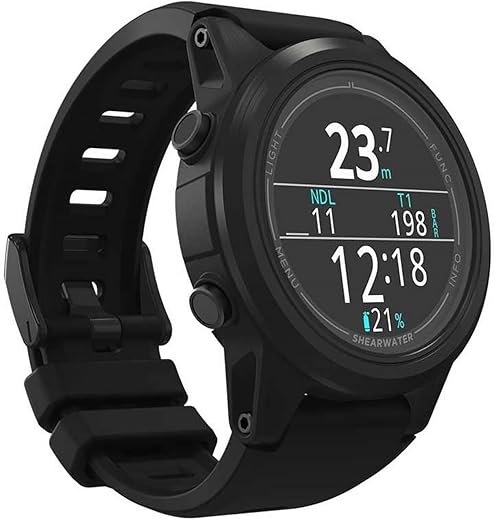
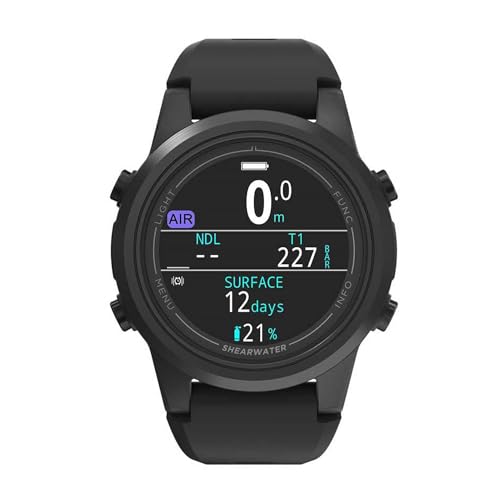
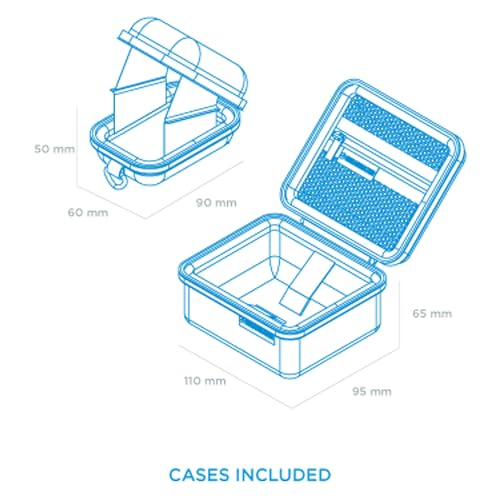
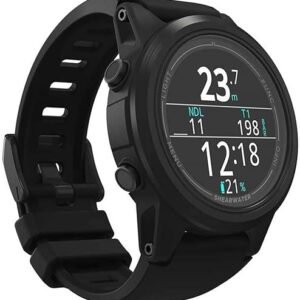
Shearwater Tern TX
$805.00
Open full product pageShearwater reliability meets watch-style convenience with brilliant AMOLED display and wireless air integration.
00 -
 ×
×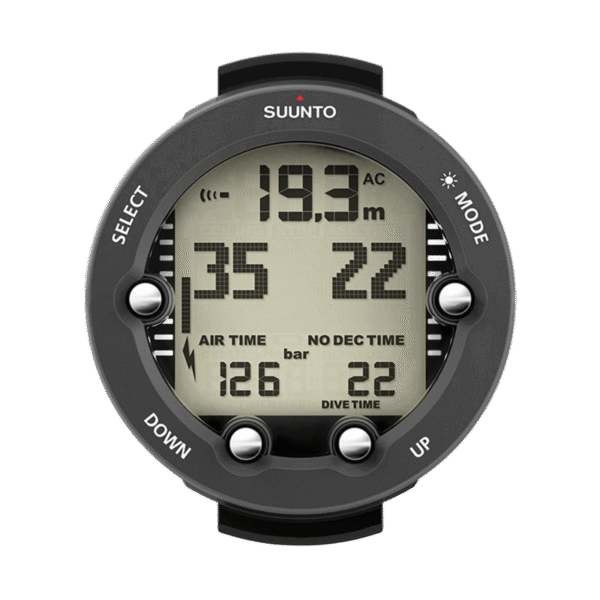


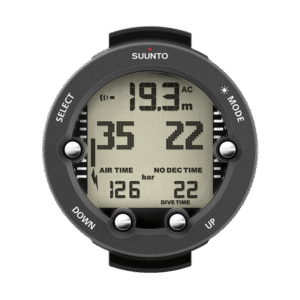
Suunto Vyper Novo
$359.00
Open full product pageMid-range recreational computer with air integration, compass, and multi-gas capability for growing divers.
00 -
 ×
×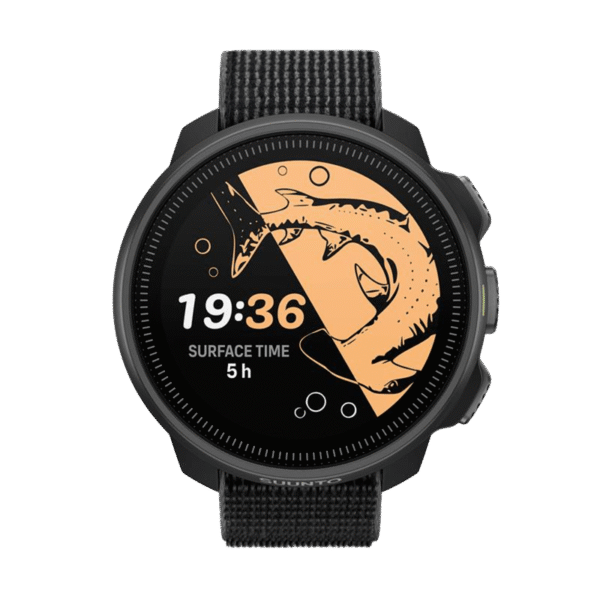


Suunto Nautic S
$549.00
Compact technical dive computer with brilliant AMOLED display and exceptional value for dedicated divers.
Out of stock
Open full product page00 -
 ×
×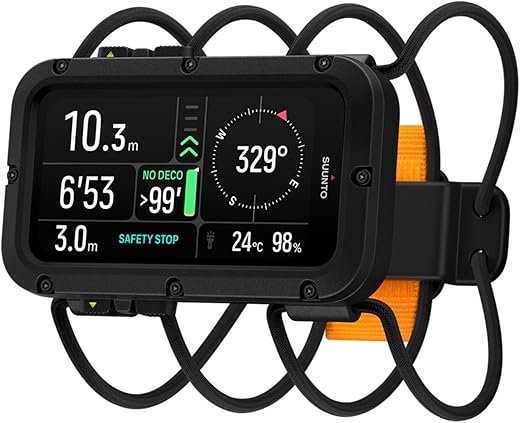


Suunto Nautic
$729.00
Open full product pageProfessional-grade technical dive computer with brilliant AMOLED display and exceptional battery life.
00
Latest Revies








Reviews
There are no reviews yet.