
0
0
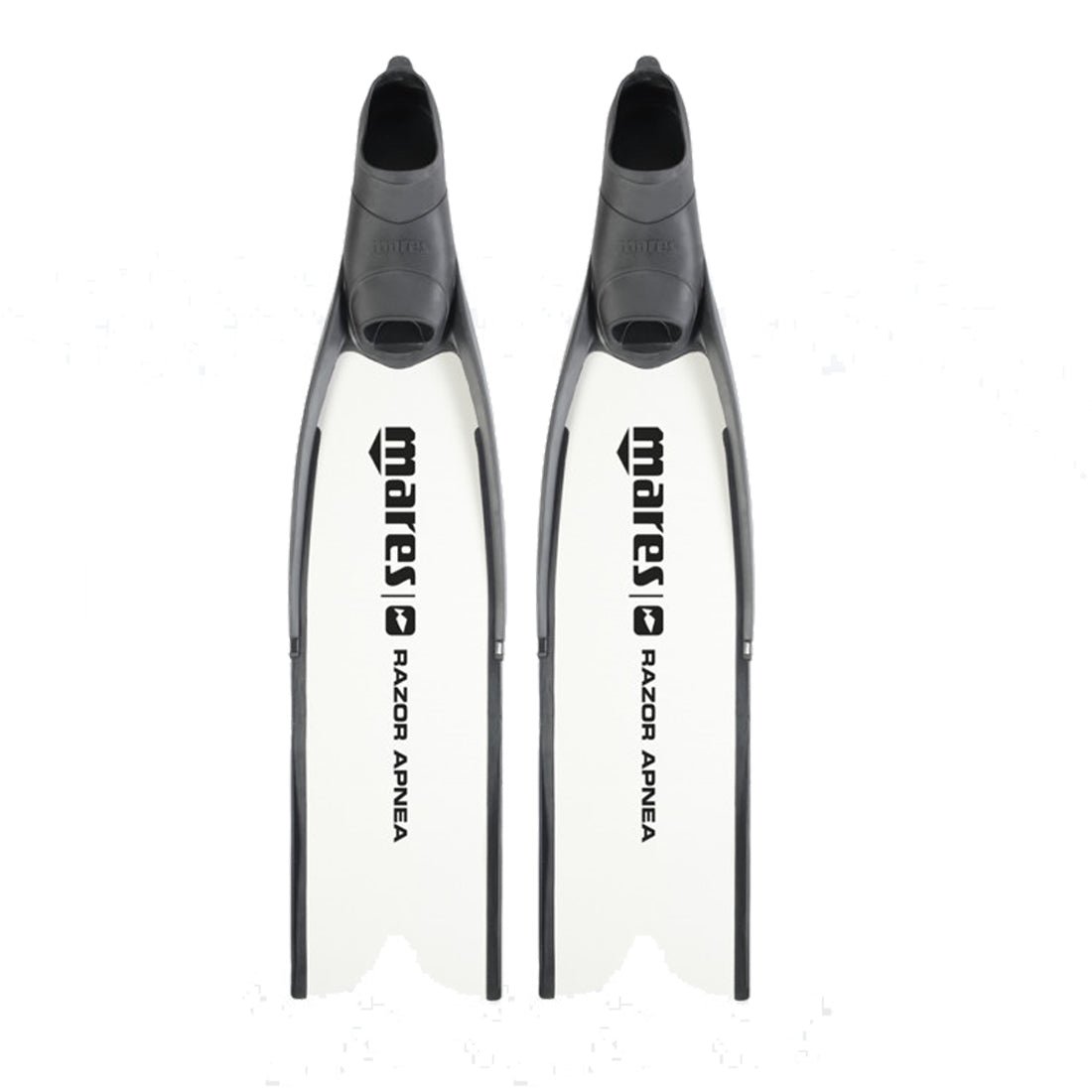
Mares Razor Apnea Fiber Glass Freediving Fins
Quality fiberglass fins delivering composite performance at mid-range pricing for advancing freedivers.
Pros
Excellent price-to-performance ratio for intermediate freedivers advancing their skills, Pre-preg fiberglass construction delivers genuine performance improvement over plastic fins at accessible pricing, Two blade stiffness options allow matching to diver weight and technique level
Cons
Foot pocket runs wide and may not suit divers with narrow feet, Heavier than carbon alternatives, Requires 3mm neoprene socks for comfortable fit
Compare Prices

* We earn a small commission on your purchase without increasing the price.
Mares Razor Apnea Fiber Glass Freediving Fins Review
The Mares Razor Apnea represents a smart middle ground in the freediving fin market. These are composite fins built for freedivers who want better performance than plastic but aren’t ready to commit to full carbon pricing. I’ve recommended these to several intermediate students over the past year, and the consistent feedback is that they deliver noticeable improvement over entry-level fins without the financial commitment of carbon fiber. The main appeal is the pre-impregnated fiberglass construction that provides genuine flex and snap, and the blade stiffness options that let you match the fin to your physiology. This is a solid mid-range option positioned for intermediate freedivers who are advancing their skills.
Key Features
The blade uses pre-impregnated fiberglass layers. The construction creates variable thickness across the blade length. This produces a parabolic flex pattern during the kick cycle. The blade measures 65 cm long and 20.5 cm wide. The blade angle is 22 degrees from the foot pocket. Weight sits around 900-950 grams per complete fin depending on size. The foot pocket is designed for use with 3mm neoprene socks. Price ranges from $400 to $450 at most retailers. Available in soft and medium blade stiffness. Sizes run from European 36 to 47. A protective fin bag comes included. These fins work well for freedivers progressing beyond recreational depths who want composite performance at a more accessible price point than carbon.
In-Water Performance
Blade Characteristics
The fiberglass blade delivers a different feel than plastic fins. The pre-preg construction creates consistent flex across the blade surface rather than the hinge-like bend you get with polymer fins. Several instructors I work with describe the blade as more responsive—it loads smoothly through the power phase and releases cleanly at the end of each kick. The parabolic flex pattern means the blade bends in a curve rather than a sharp angle, which translates to more efficient water displacement. You can feel the difference in effort required to maintain cruising speed compared to plastic fins.
Choosing Blade Stiffness
The soft versus medium blade choice matters. Common feedback from my students is that the soft blade works well for divers under 70 kg or those who prefer a quicker kick tempo. The medium blade suits heavier divers or those with stronger legs who want more resistance per stroke. One instructor colleague started with soft blades and moved to medium after a season once his technique improved. The medium provides more push per kick but requires better form to avoid leg fatigue. Starting with soft and potentially upgrading later is a reasonable approach.
Foot Pocket Fit
The foot pocket is the same design used across the Mares Razor line. It requires 3mm socks for best comfort—barefoot use leads to rubbing at the heel and ankle after 30-40 minutes. The pocket runs slightly wide, which accommodates broader feet well but might feel loose for narrow foot shapes. The high instep works for most foot types without creating pressure points. I haven’t received complaints about the fit from students who wear proper socks, but the requirement for socks is worth noting if you prefer barefoot diving.
Efficiency and Depth Performance
These fins perform well for intermediate depth work. The fiberglass construction maintains its snap at 20-30 meter depths where plastic fins start to feel sluggish. The variable thickness blade design helps with energy conservation on longer ascents. The water rails provide adequate directional stability without making the fins feel rigid during turns. For surface swimming, they feel more efficient than plastic but require slightly more effort than lighter carbon fins. The fins work best in the 10-40 meter range where the composite construction shows clear advantages over polymer blades.
Build Quality
The manufacturing quality is consistent with Mares standards. The pre-preg fiberglass layup produces blades with uniform flex characteristics. I haven’t seen issues with delamination or blade separation from normal use. The water rails stay securely attached to the blade. The foot pocket maintains its shape without developing soft spots or stress cracks. The protective coating on the blade surface holds up reasonably well to regular handling. These are well-made fins that should last several seasons with proper care.
Comparing Options
Against the Mares Razor Matrix Carbon at $550, the Apnea costs about $100 less and delivers similar performance for most recreational and intermediate diving. The Matrix has slightly better blade snap from the carbon fiber, but the difference only becomes significant at deeper depths beyond 40 meters. The Mares Razor Pro plastic fins cost about $270 less and work fine for shallow diving, but lack the efficiency and responsiveness of the fiberglass Apnea. The Salvimar Speeder HD at a similar price uses a comparable fiberglass construction but has a different foot pocket design that suits narrower feet better. The Razor Apnea offers the best balance of performance and value in the Mares fiberglass range.
My Assessment
The strengths are the blade performance and the price-to-performance ratio. The pre-preg fiberglass construction delivers genuine improvement over plastic fins at a price point well below carbon. The two blade stiffness options let you match the fin to your current fitness and technique level. The limitations are the foot pocket requirements and the weight. The fins need socks for comfortable use, and they’re heavier than carbon alternatives. For intermediate freedivers working on technique and building depth capacity, these fins deliver appropriate performance without overspending on features you might not use yet.
Purchase Recommendation
Buy the Mares Razor Apnea if you’re an intermediate freediver advancing beyond 15-20 meter depths and want fins that support skill development without the cost of carbon fiber. They’re a practical choice for freedivers who dive regularly enough to notice the performance difference from composite construction but aren’t yet diving depths where carbon fiber becomes necessary. The blade stiffness options make them suitable for a range of body types and strength levels. Skip them if you’re still learning basic freediving technique and primarily dive shallow recreational depths—the Mares Razor Pro or similar plastic fins will serve you better at lower cost. Also skip them if you have narrow feet or strongly prefer barefoot diving. Better alternatives for beginners include the Oceanic Predator or Bare Predator plastic fins. For advanced divers who regularly exceed 40 meters and have the budget, the Mares Razor Matrix Carbon or Mares X-Wing Fiber offer better performance that justifies their higher cost
| General Specifications | ||||||||||||
|---|---|---|---|---|---|---|---|---|---|---|---|---|
|
||||||||||||
| Fin Specifications | ||||||||||||
|
||||||||||||
| Pros and Cons | ||||||||||||
|
||||||||||||
Related Products
-
 ×
×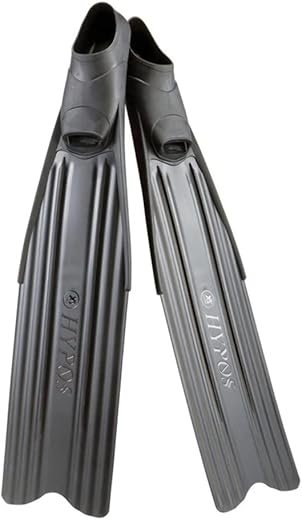
XS Scuba Hypos Long Blade Freediving Fins
$89.96
Open full product pageLightweight floating fins with channeled stability ideal for freediving beginners and students.
00 -
 ×
×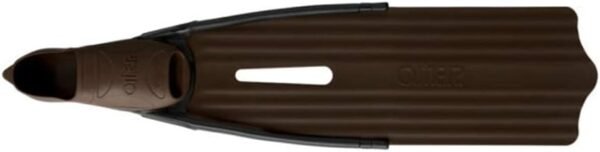
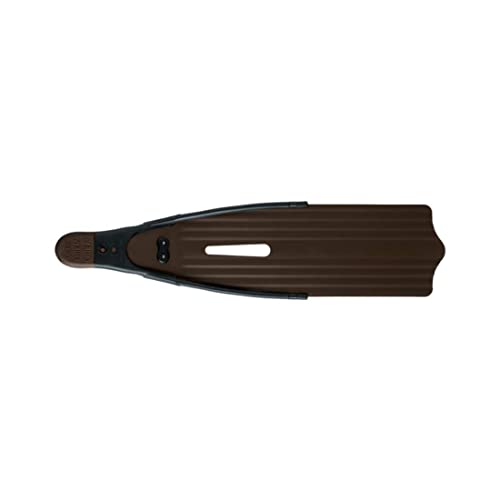
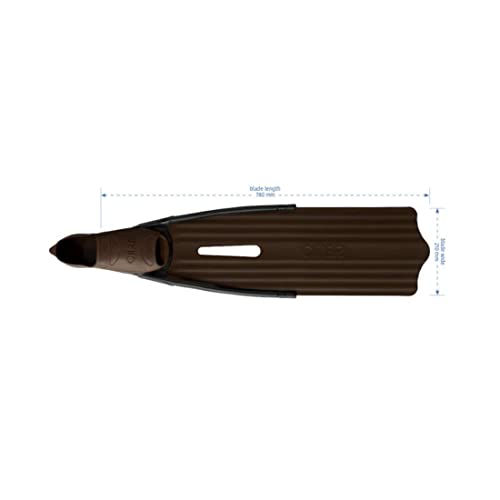
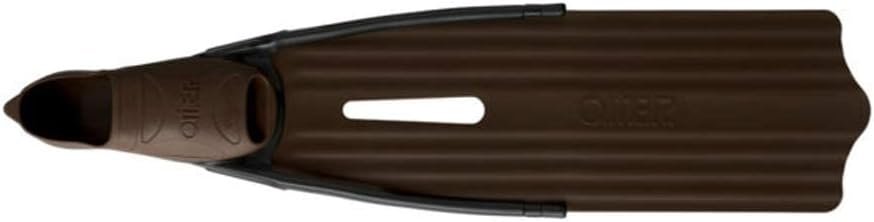
OMER Stingray EVO Long Blade Freediving Fins
$111.75
Open full product pageVersatile plastic fins with wide blade thrust and modular upgrade path to composite.
00 -
 ×
×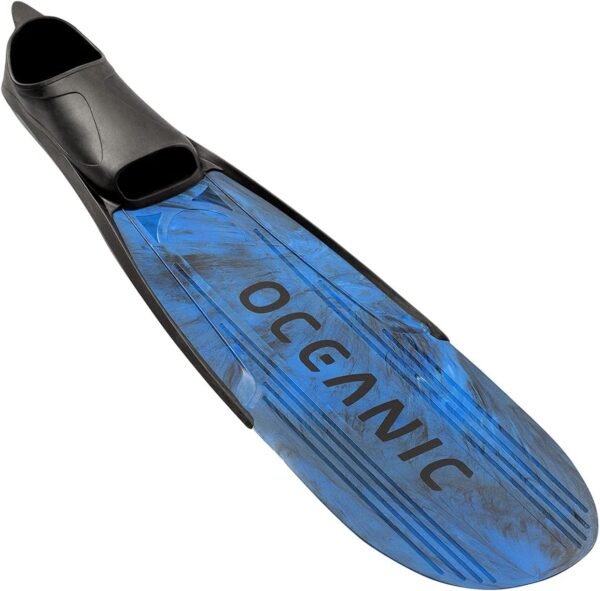
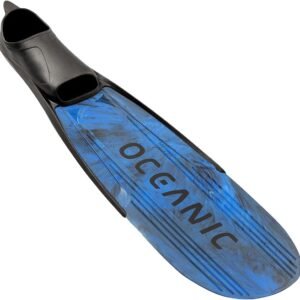
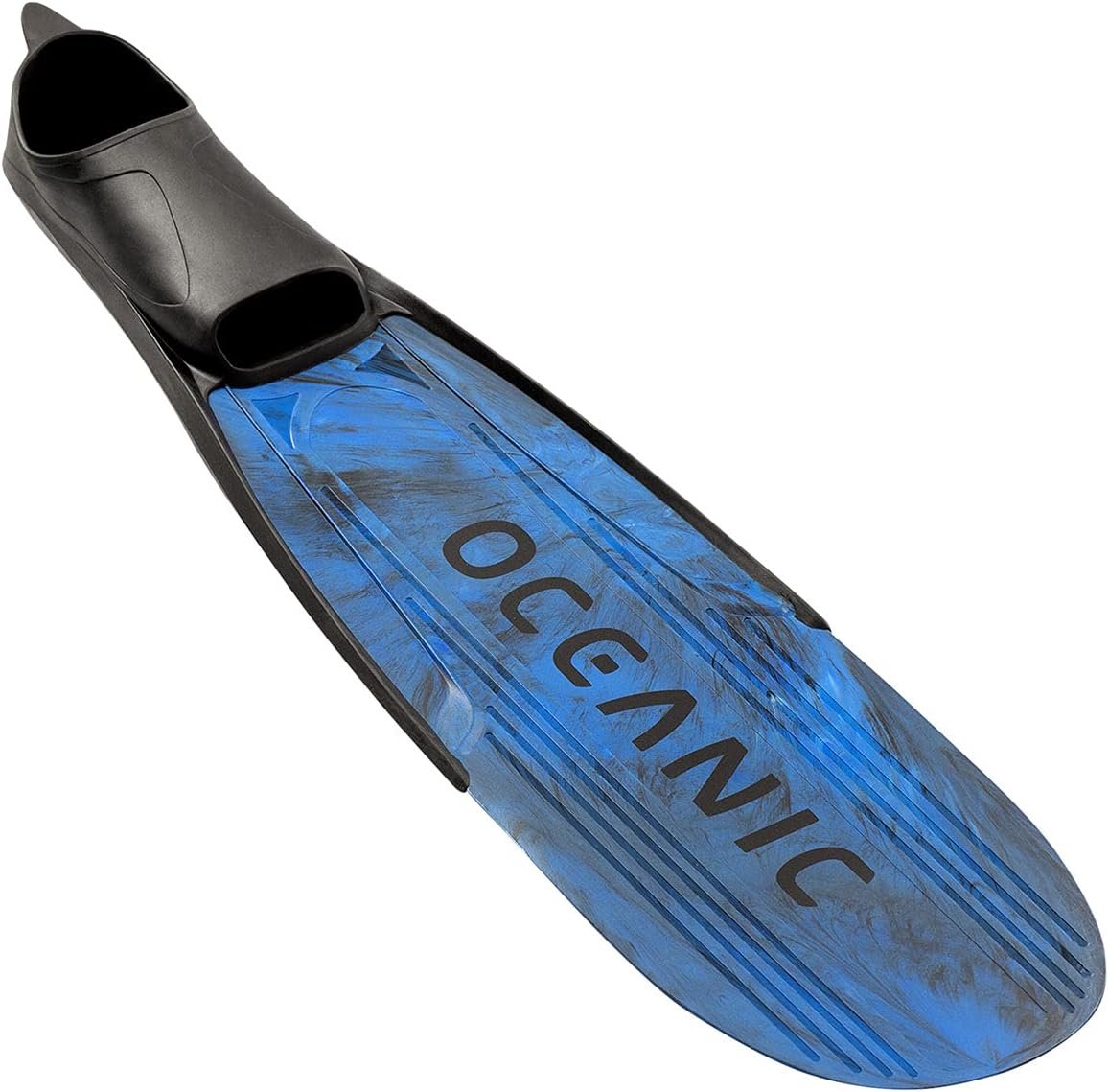
Oceanic Predator Freediving Fins
$134.95
Open full product pageDurable entry-level fins with ribbed blade and convenient heel tab for beginner freedivers.
00 -
 ×
×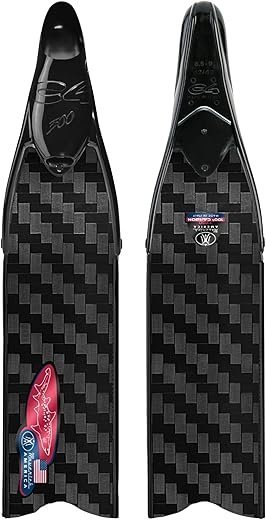
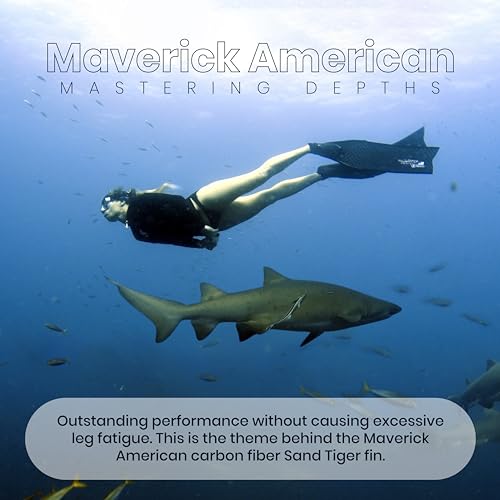
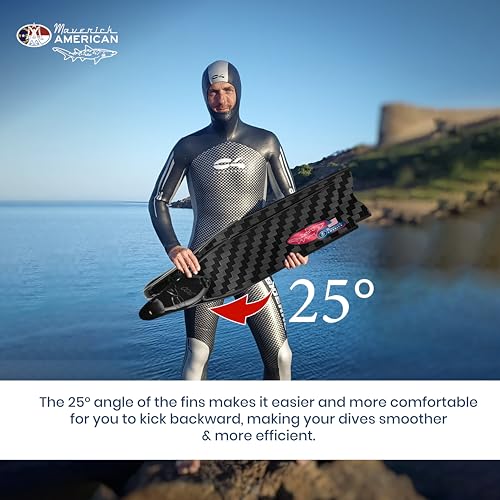
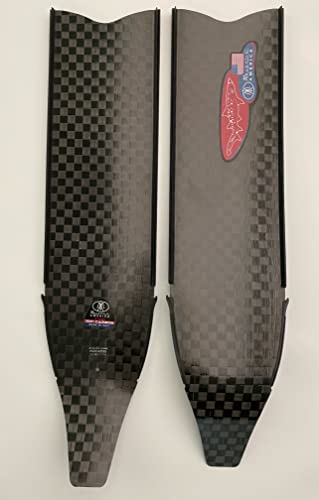
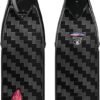
Maverick America DJ Sand Tiger Carbon Freediving Fins
$336.71
Open full product pageLightweight carbon fins with parabolic blade design optimized for spearfishing maneuverability.
00
Latest Revies







Reviews
There are no reviews yet.