
0
0
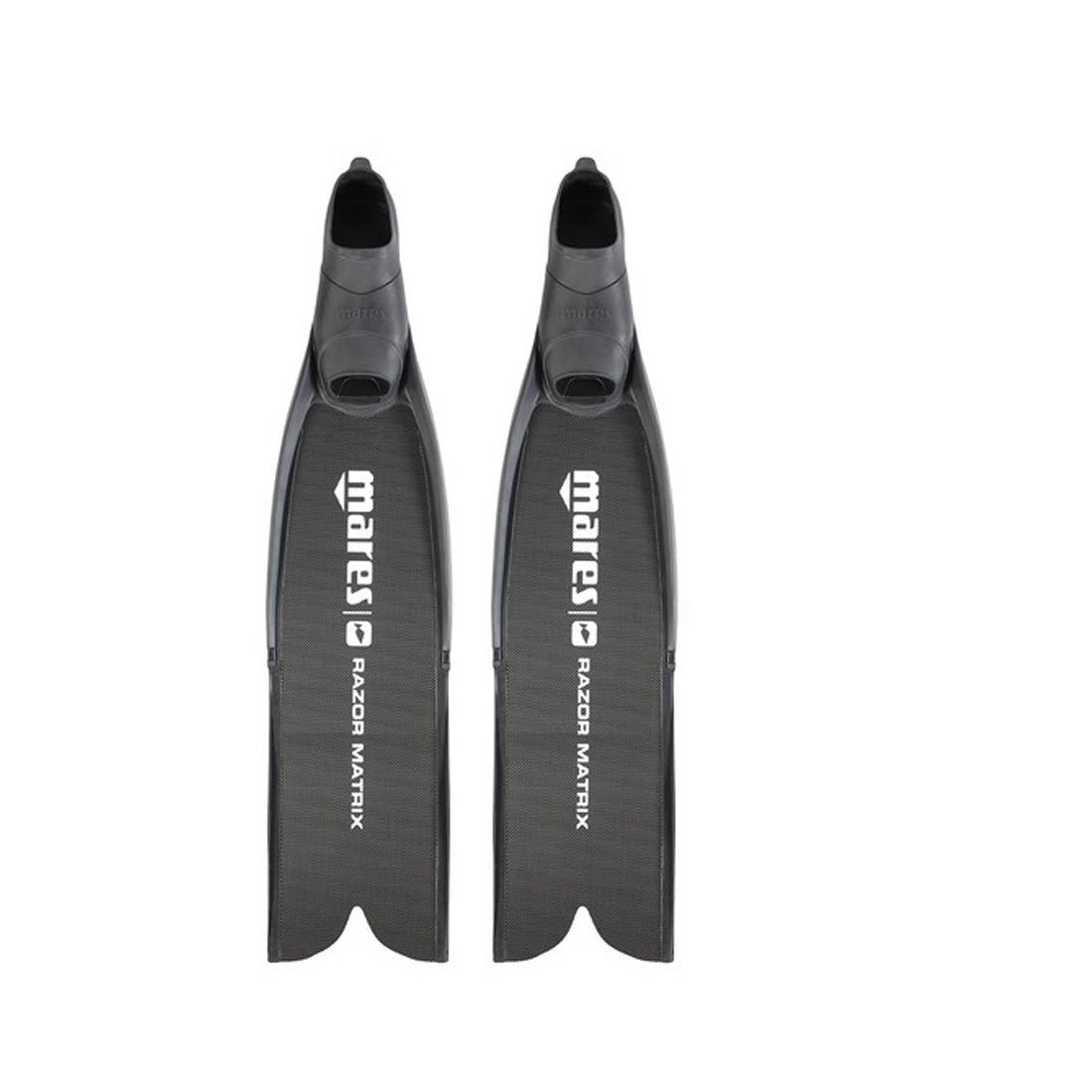
Mares Razor Matrix Carbon Freediving Fins
Premium carbon-fiberglass fins with exceptional blade response for serious depth diving.
Pros
Exceptional blade responsiveness from pre-preg carbon and fiberglass construction delivers efficient propulsion at depth, Two blade stiffness options allow matching to diver weight and technique level
Cons
Foot pocket runs wide and may not suit divers with narrow feet, Premium price point, Requires 3mm neoprene socks for comfortable fit
Compare Prices

* We earn a small commission on your purchase without increasing the price.
Mares Razor Matrix Carbon Freediving Fins Review
The Mares Razor Matrix sits at the upper end of the freediving fin market, and for good reason. These are fins designed for serious freedivers who dive deep and need equipment that delivers consistent performance when it matters most. I’ve watched several of my freediving instructor colleagues make the switch to these fins over the past two years, and the feedback has been overwhelmingly positive. The main reasons to consider the Razor Matrix are the exceptional blade responsiveness from the pre-impregnated carbon and fiberglass construction, and the ability to choose between soft and medium blade stiffness to match your diving style. This is a premium fin positioned for intermediate to advanced freedivers.
What You’re Getting
The blade combines pre-impregnated carbon fiber and fiberglass layers. The carbon fibers are woven at 90 degrees in a 3K pattern. This construction gives the blade a variable thickness that creates a parabolic flex during finning. The blade measures 65 cm long and 20.5 cm wide. Each complete fin weighs approximately 990 grams. The blade angle sits at 22 degrees from the foot pocket, which is designed to be worn with 3mm neoprene socks. Price ranges from $500 to $550 depending on the retailer. The fins come in two blade stiffness options—soft and medium. Available sizes run from 36 to 47 in European sizing. A protective fin bag is included. These are professional-grade fins built for freedivers who regularly dive beyond 30 meters.
Performance in the Water
Blade Response
The blade response is where these fins excel. The pre-preg carbon and fiberglass combination creates a snap that translates directly into forward momentum. Several freediving instructors I know who’ve switched from plastic fins to the Razor Matrix report noticeably less leg fatigue on deep training sessions. The variable thickness design means the blade flexes progressively—you can feel it loading during the power phase and releasing cleanly at the end of each kick. The 22-degree blade angle feels natural, like the fin is an extension of your leg rather than something you’re pushing against.
Blade Stiffness Options
Having two stiffness options is genuinely useful. I’ve heard from customers that the soft blade works well for divers under 75 kg or those who prefer a faster kick cadence. The medium blade suits heavier divers or those with stronger legs who want more resistance per kick. One instructor colleague switched from soft to medium after six months and found the medium blade better matched his technique as his strength improved. The ability to choose stiffness without changing the entire fin setup is practical.
Foot Pocket and Comfort
The foot pocket is comfortable but requires 3mm socks for best results. Without socks, most divers experience some rubbing around the heel and instep after extended sessions. The foot pocket runs slightly wide, which works well for broader feet but might feel loose for narrow feet even with socks. The high instep accommodates most foot shapes without pressure points. I’ve consistently heard that the fit is comfortable for multi-hour training sessions when paired with proper socks.
Efficiency at Depth
These fins are built for depth. The parabolic flex pattern delivers efficient propulsion when you need to conserve energy on ascents. Multiple freedive pros I’ve spoken with mention the fins maintain their snap even at depth where water pressure increases resistance. The water rails along the blade edges keep the fin tracking straight without adding excessive stiffness. For surface swimming, they work fine but don’t feel as effortless as some lighter composite fins. These are depth fins first.
Durability and Build Quality
The manufacturing quality is high. The pre-preg process Mares uses produces blades with consistent stiffness across the production run. I haven’t heard reports of delamination or blade failure from regular use. The connection between the foot pocket and blade is solid—no flex or play develops over time. The protective coating on the blade surface holds up well to general wear. These are expensive fins that show attention to manufacturing detail.
How They Compare
Against the Mares X-Wing Fiber at a similar price point, the Razor Matrix offers a longer blade (65 cm vs 60 cm) which some divers prefer for depth work. The X-Wing has more pronounced water rails that provide slightly better tracking but less maneuverability. For pure carbon construction, the Riffe Silent Hunter Carbon runs about $100 more but uses full carbon instead of the carbon-fiberglass hybrid. The Riffe blades are notably softer, which suits some diving styles better. The Mares Razor Apnea Fiber Glass costs about $100 less and delivers similar performance for most recreational diving, though it lacks the snap and responsiveness of the Matrix’s carbon construction. The Razor Matrix sits in a sweet spot—premium performance without crossing into the extreme cost of pure carbon fins.
Professional Assessment
The main strengths are the blade response and the manufacturing quality. The pre-preg carbon construction delivers a snap that plastic fins simply cannot match, and the build quality justifies the premium price. The two stiffness options let you match the fin to your physiology rather than adapting your technique to the equipment. The weakness is the foot pocket fit. It requires socks and runs wide, which won’t suit everyone. The price is high—not unreasonable for what you’re getting, but definitely an investment. These fins work best for freedivers who regularly train to depth and want equipment that performs when it counts. They’re overkill for casual snorkeling or shallow recreational diving.
Who Should Buy These
Buy the Mares Razor Matrix if you’re an intermediate to advanced freediver who regularly dives beyond 20-30 meters and wants fins that deliver efficient propulsion at depth. They’re a strong choice for freedivers who are committed to the sport and willing to invest in quality equipment that will last. The blade stiffness options make them suitable for a range of body types and kicking styles. Skip them if you’re new to freediving or primarily dive shallow recreational depths where the performance advantage won’t justify the cost. They’re also not ideal if you have narrow feet or prefer diving without socks. Better alternatives for casual freedivers include the Mares Razor Pro plastic fins or the Oceanic Predator, both offering solid performance at half the price. For advanced divers who want even more responsiveness and have the budget, the Riffe Silent Hunter Carbon or the top-end Mares X-Wing Carbon are worth considering.
| General Specifications | ||||||||||||
|---|---|---|---|---|---|---|---|---|---|---|---|---|
|
||||||||||||
| Fin Specifications | ||||||||||||
|
||||||||||||
| Pros and Cons | ||||||||||||
|
||||||||||||
Related Products
-
 ×
×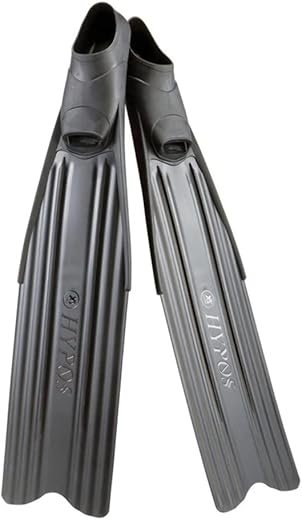
XS Scuba Hypos Long Blade Freediving Fins
$89.96
Open full product pageLightweight floating fins with channeled stability ideal for freediving beginners and students.
00 -
 ×
×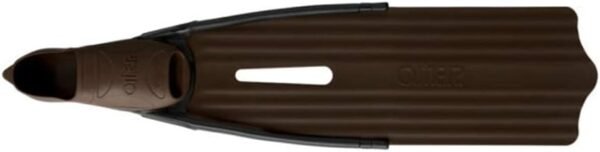
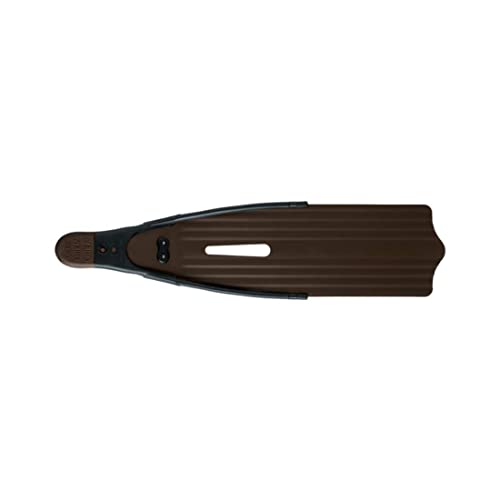
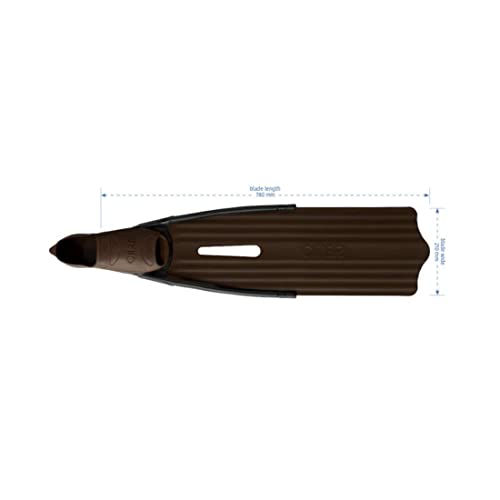
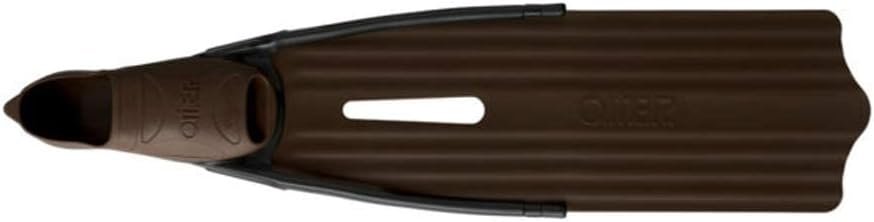
OMER Stingray EVO Long Blade Freediving Fins
$111.75
Open full product pageVersatile plastic fins with wide blade thrust and modular upgrade path to composite.
00 -
 ×
×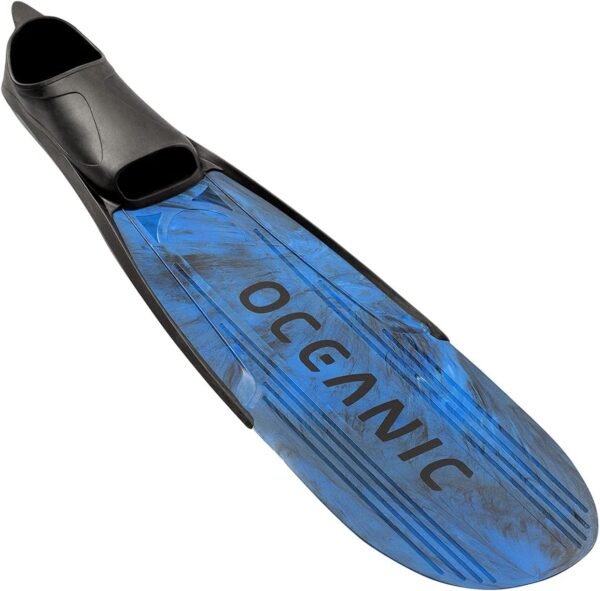
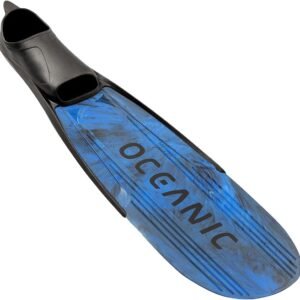
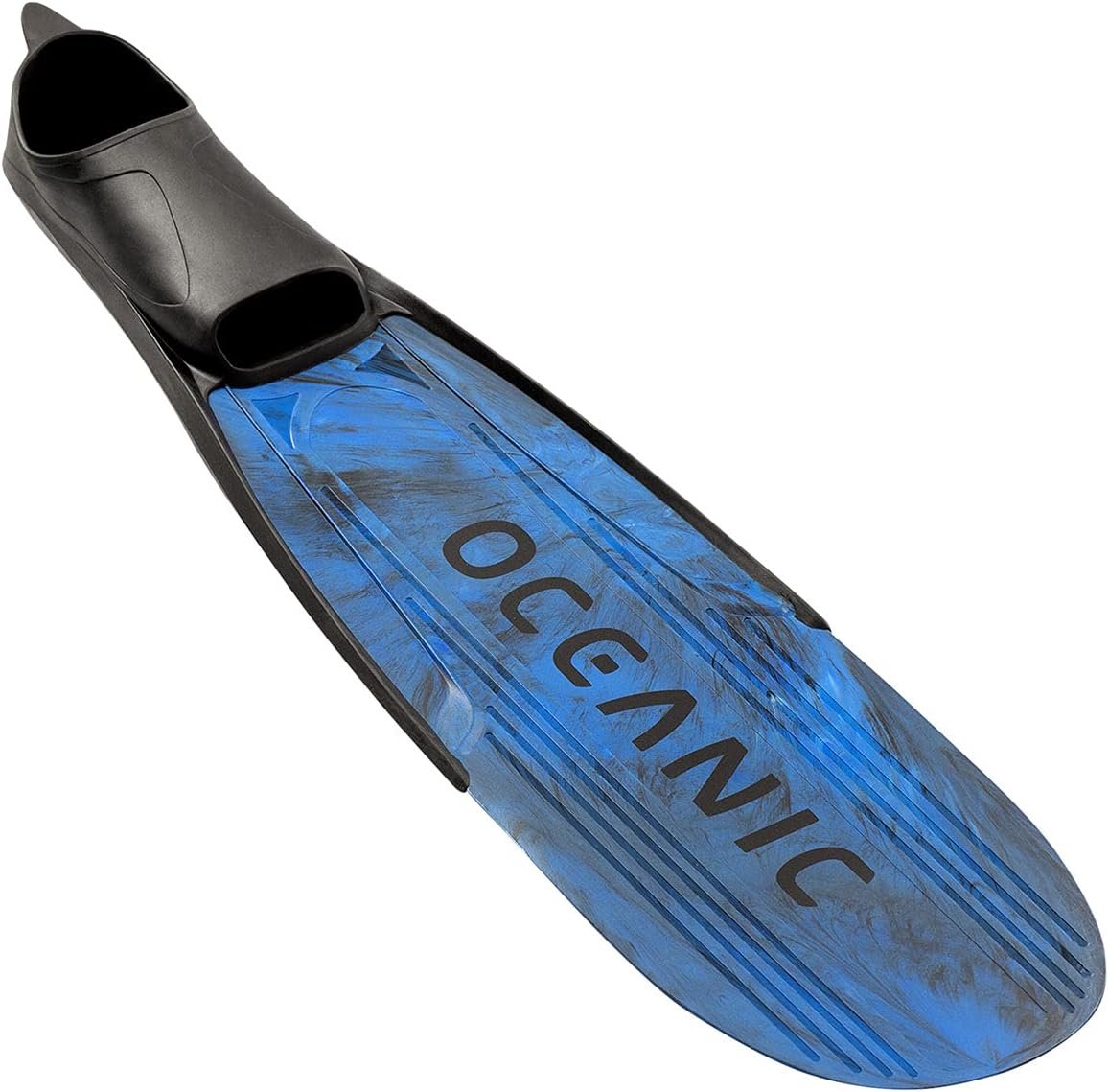
Oceanic Predator Freediving Fins
$134.95
Open full product pageDurable entry-level fins with ribbed blade and convenient heel tab for beginner freedivers.
00 -
 ×
×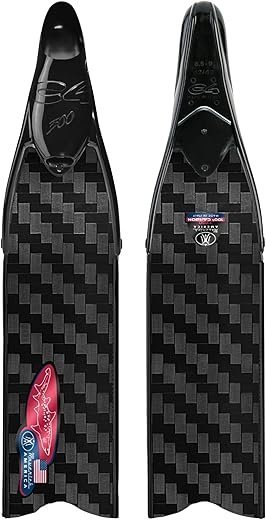
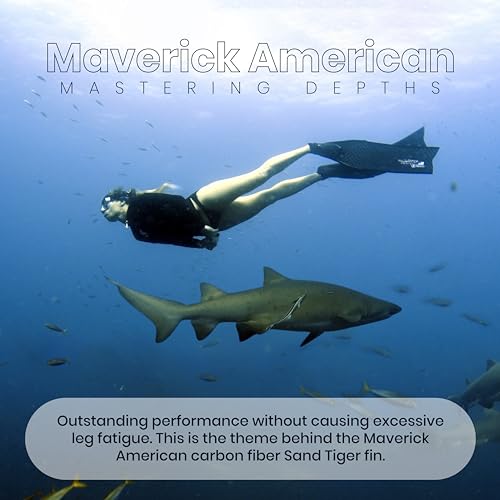
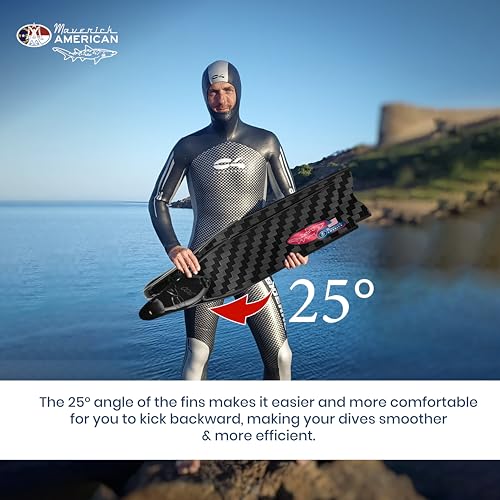
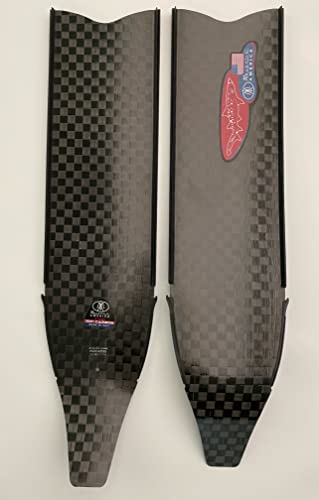
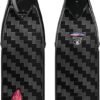
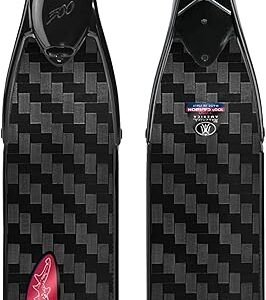
Maverick America DJ Sand Tiger Carbon Freediving Fins
$336.71
Open full product pageLightweight carbon fins with parabolic blade design optimized for spearfishing maneuverability.
00
Latest Revies








Reviews
There are no reviews yet.