
0
0
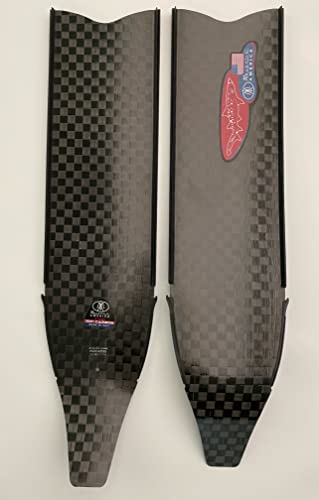
Maverick America DJ Sand Tiger Carbon Freediving Fins
Lightweight carbon fins with parabolic blade design optimized for spearfishing maneuverability.
Pros
Compatible with multiple foot pocket brands allows fitting customization, Exceptionally lightweight at 900g per pair, Parabolic blade design delivers responsive maneuverability ideal for spearfishing
Cons
Shorter blade sacrifices straight-line glide efficiency, Specialized design for spearfishing makes them less versatile for pure freediving
Compare Prices

Maverick America DJ Sand Tiger Carbon Freediving, Spearfishing, Scuba Diving Fins | Superlight Carbon Fins, White, 8.5-9
Amazon.com

* We earn a small commission on your purchase without increasing the price.
Maverick America DJ Sand Tiger Carbon Freediving Fins Review
The Maverick America DJ Sand Tiger occupies a specific niche in the freediving fin market. These are carbon fins designed primarily for spearfishing, built around a blade geometry that prioritizes agility and quick direction changes over pure straight-line efficiency. I’ve heard consistent feedback from spearfishing instructors that these fins excel in hunting scenarios where you need responsive maneuvering rather than maximum glide. The main selling points are the parabolic blade design that concentrates water displacement in the power zone of your kick, and the lighter weight from using C4 foot pockets. This is a specialized fin positioned for spearos and experienced freedivers who value maneuverability.
What’s Included
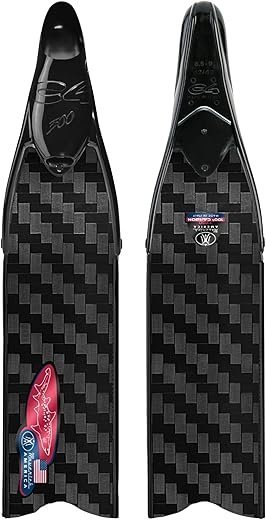
The blade uses T700 carbon fiber in compression molding. This creates a variable thickness blade profile. The blade measures 73 cm long and 22 cm wide. The parabolic shape is wider at the midpoint and tapers toward the tip. The blade angle sits at 25 degrees from the foot pocket. Weight for a complete pair with C4 300 foot pockets is approximately 900 grams. This makes them one of the lightest carbon fin setups available. Price ranges from $320 to $370 depending on retailer and foot pocket choice. Available in soft and medium stiffness. Compatible with C4, Omer Stingray, Mares Razor, Salvimar, and Beuchat foot pockets. These fins target spearfishers and freedivers who need quick turning ability and responsive blade feedback.
Real-World Use
Blade Design Philosophy
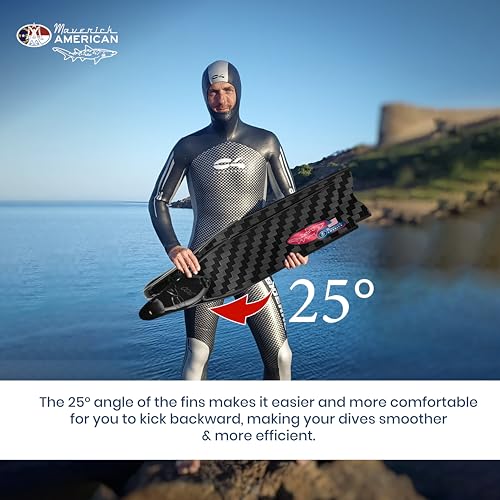
The parabolic blade shape creates different performance characteristics than traditional straight-taper fins. Several spearfishing pros I know report the wider mid-section loads more water during the power phase of the kick, then the narrower tip releases cleanly. This design delivers solid thrust in a shorter blade length, which translates to better maneuverability. The 25-degree blade angle is steeper than most freediving fins—you can feel this on the recovery stroke where the blade moves through less resistance. For hunting scenarios where you need to change direction quickly or hold position, this blade geometry works well.
Performance for Spearfishing
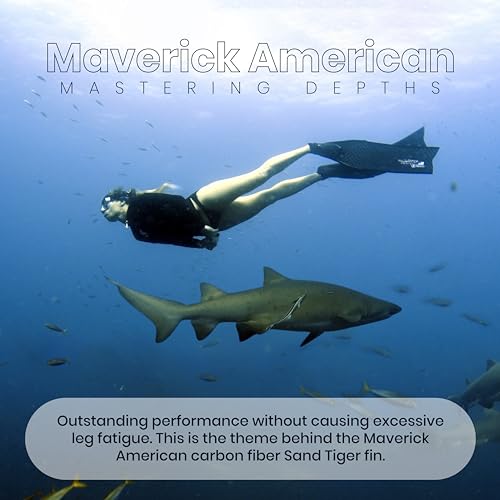
These fins shine in hunting applications. The shorter blade length and responsive flex make them practical for navigating around reef structures and kelp. Multiple spearos have mentioned the fins feel nimble when you need to track a fish or adjust position quickly. The carbon construction maintains good propulsion without the leg fatigue that longer blades can cause during all-day hunting sessions. For pure freediving or depth training, they work but don’t deliver the same glide efficiency as longer, straighter blades. These are task-specific fins optimized for spearfishing versatility.
Weight and Travel
The lightweight C4 foot pockets make these fins notably easier to travel with than many carbon options. At roughly 900 grams for the complete pair, they pack light and don’t dominate your luggage weight. The shorter blade length also helps with fitting into standard dive bags. For traveling spearfishers or freedivers who fly frequently, the weight advantage is practical and noticeable compared to heavier fin setups.
Foot Pocket Options
The blade compatibility with multiple foot pocket brands gives you fitting options. The C4 300 pockets that typically come with these blades run narrow to medium width. They fit well for average feet but might feel tight for broader foot shapes. The ability to swap to Mares Razor or Omer Stingray pockets lets you match the foot pocket to your foot rather than adapting to what comes standard. This modularity is genuinely useful if you have fit issues with one brand’s pocket design.
Build Quality
The T700 carbon fiber construction is solid. Compression molding produces consistent blade characteristics without visible defects or weak points. I haven’t heard reports of blade delamination or structural failures from regular use. The variable thickness molding creates smooth transitions rather than abrupt changes in stiffness. These are well-manufactured fins that show attention to the production process.
How They Stack Up
Against the Mares Razor Matrix at $550, the Sand Tiger costs about $200 less and offers similar carbon performance with better maneuverability from the shorter blade. The Mares has longer blades better suited for pure freediving. The OMER Stingray EVO at a similar price uses plastic blades and won’t match the efficiency of carbon construction. The Riffe Descender plastic fins cost about $100 less and work fine for beginner spearfishing but lack the responsiveness and weight savings. For spearfishers specifically, the Sand Tiger delivers carbon performance in a maneuverable package at competitive pricing.
Bottom Line
The strengths are the blade design for maneuverability and the lightweight construction. The parabolic shape delivers responsive turning and quick acceleration in a shorter blade format that spearfishers appreciate. The C4 foot pockets keep weight down for travel. The limitations are straight-line efficiency and the specialized design. These fins don’t glide as efficiently as longer blades designed for pure freediving. They’re optimized for hunting applications rather than depth work or distance swimming. For spearfishers who want carbon performance without the length of traditional freediving fins, these work well.
Who Should Consider These
Buy the Maverick America DJ Sand Tiger if you’re a spearfisher who wants carbon fin performance in a maneuverable package designed for hunting scenarios. They’re a strong choice for traveling spearfishers who appreciate the light weight and compact blade length. The blade geometry suits divers who prioritize agility and quick direction changes over maximum glide efficiency. Skip them if you’re primarily focused on pure freediving or depth training where longer, more efficient blades deliver better performance. They’re also not ideal if you want one fin setup for all applications—these are specialized for spearfishing. Better alternatives for pure freediving include the Mares Razor Matrix or Mares X-Wing Fiber with their longer blades. For budget-conscious spearfishers, the Riffe Descender plastic fins offer good value, though without carbon’s performance benefits.
| General Specifications | ||||||||||||
|---|---|---|---|---|---|---|---|---|---|---|---|---|
|
||||||||||||
| Fin Specifications | ||||||||||||
|
||||||||||||
| Pros and Cons | ||||||||||||
|
||||||||||||
Related Products
-
 ×
×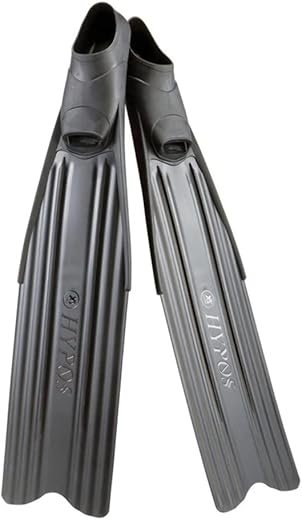
XS Scuba Hypos Long Blade Freediving Fins
$89.96
Open full product pageLightweight floating fins with channeled stability ideal for freediving beginners and students.
00 -
 ×
×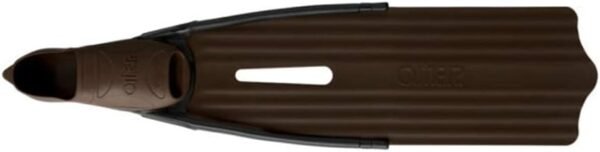
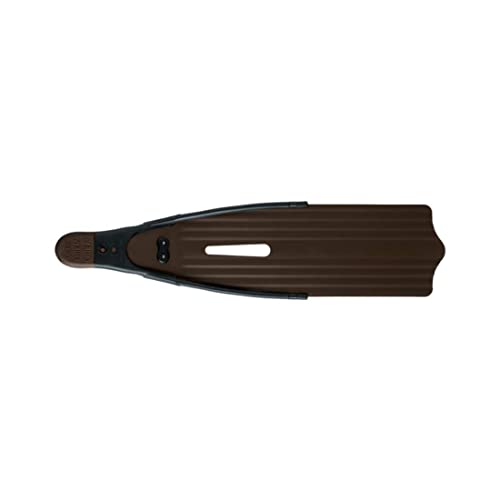
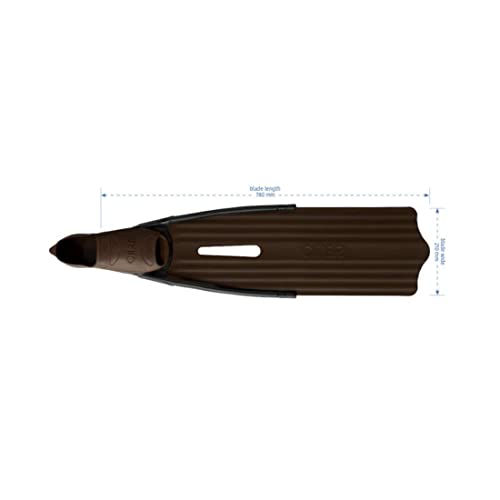
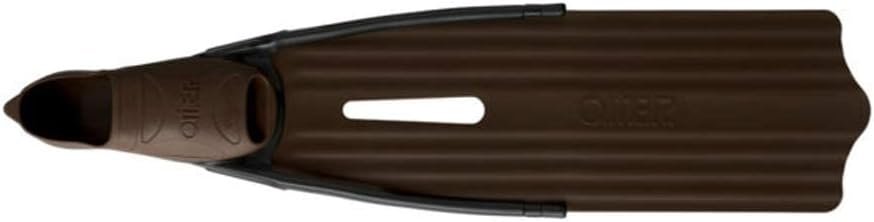
OMER Stingray EVO Long Blade Freediving Fins
$111.75
Open full product pageVersatile plastic fins with wide blade thrust and modular upgrade path to composite.
00 -
 ×
×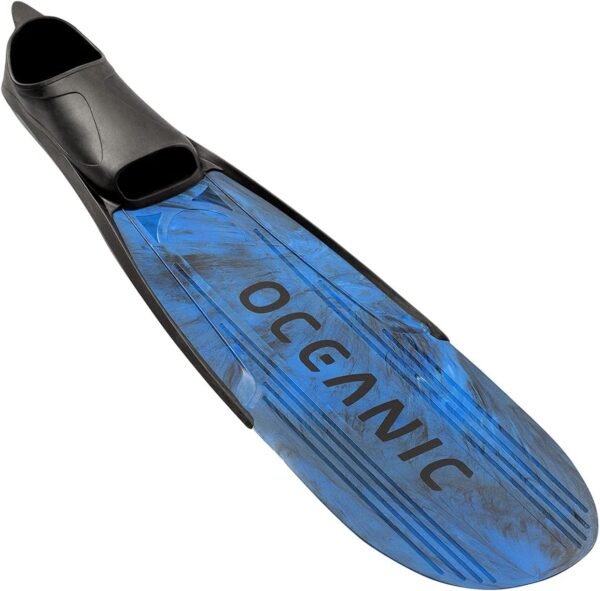
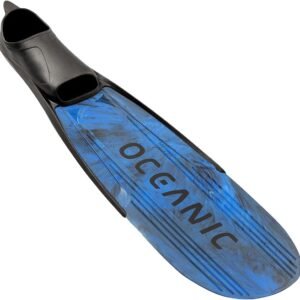
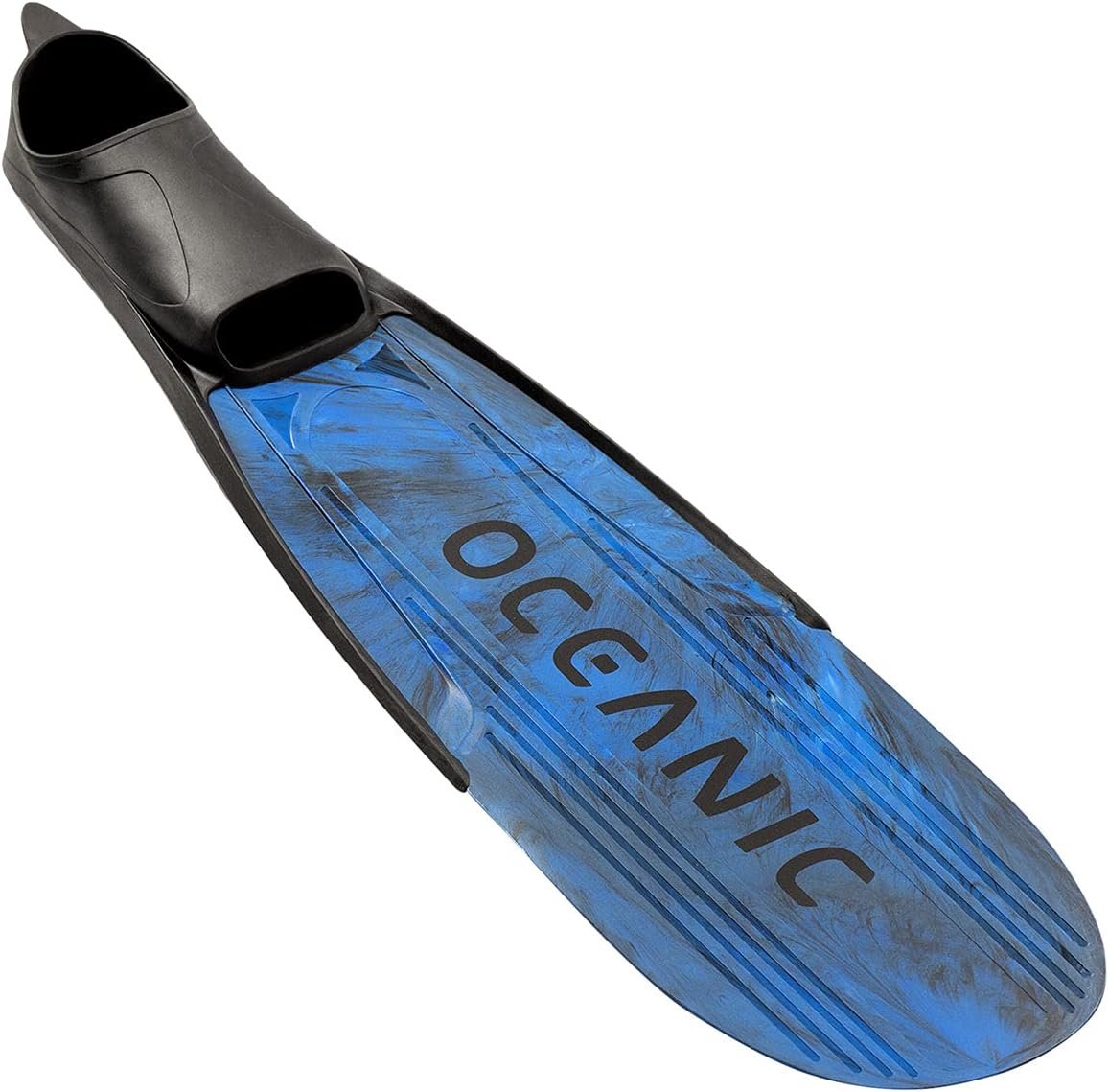
Oceanic Predator Freediving Fins
$134.95
Open full product pageDurable entry-level fins with ribbed blade and convenient heel tab for beginner freedivers.
00 -
 ×
×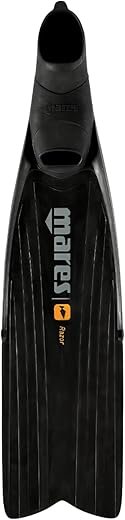


Mares Razor Pro Freediving Fins
$138.95
Open full product pageComfortable modular plastic fins with upgrade path to composite blades for growing freedivers.
00
Latest Revies







Reviews
There are no reviews yet.