
0
0
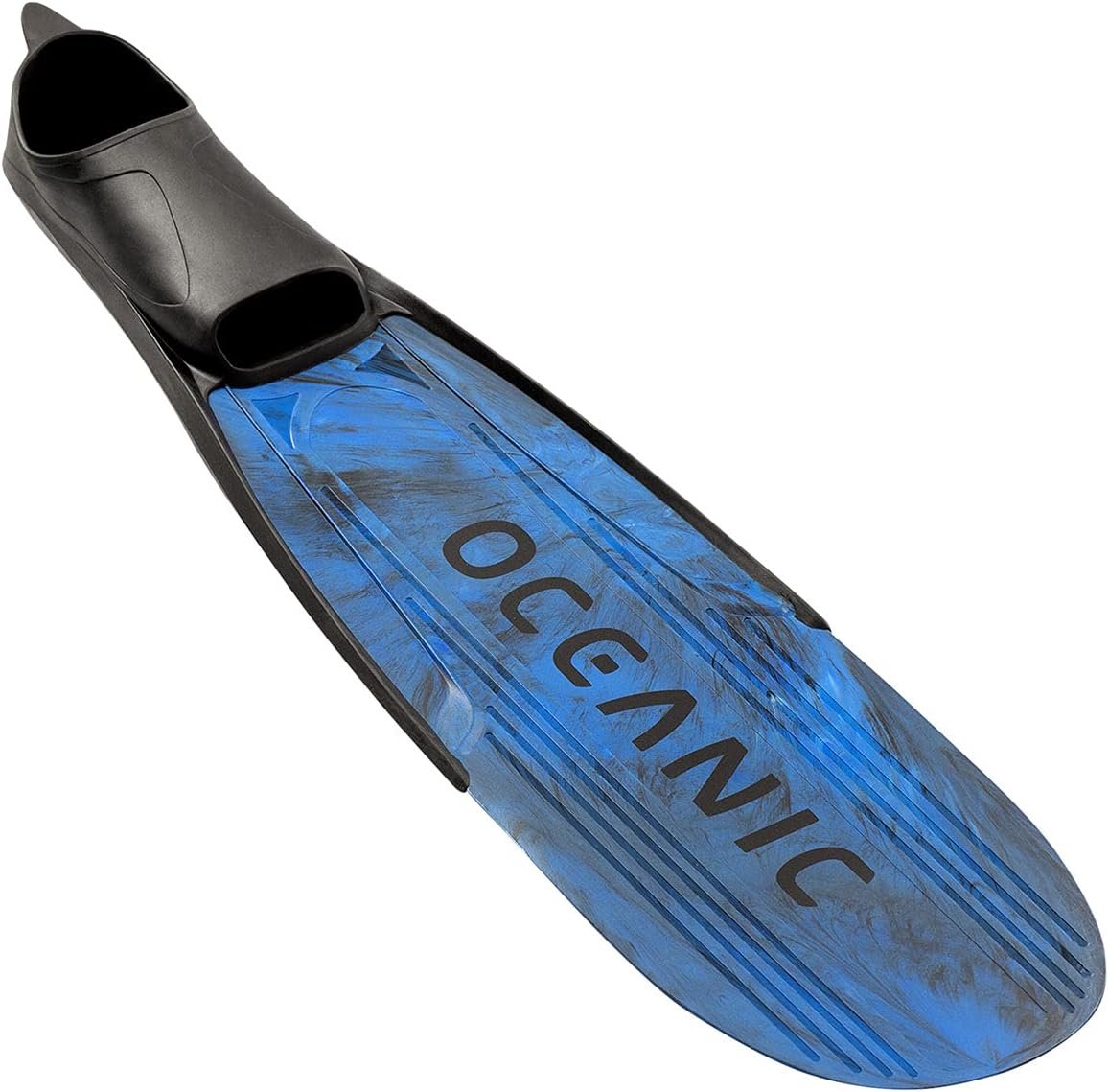
Oceanic Predator Freediving Fins
Durable entry-level fins with ribbed blade and convenient heel tab for beginner freedivers.
Pros
Durable construction, Large heel pull tab makes donning and doffing easier especially with gloves, Ribbed blade design provides stable power transfer for developing technique
Cons
Price point of $120-150 doesn't deliver value compared to better-designed competitors, Rigid blade lacks progressive flex patterns limiting efficiency as skills advance, Weight of 900-1000g makes travel and surface swimming more demanding
Compare Prices


* We earn a small commission on your purchase without increasing the price.
Oceanic Predator Freediving Fins Review
The Oceanic Predator sits in the entry-level segment of freediving fins. These are rigid plastic blade fins designed for novice freedivers and open-water hunters starting their journey. I’ve seen these fins recommended to students who want basic long blade performance without premium pricing. The main appeal is the ribbed blade design that concentrates power for energy transfer, and the large heel pull tab that makes donning easier. This is a straightforward beginner option positioned for new freedivers and recreational spearfishers.
Product Overview
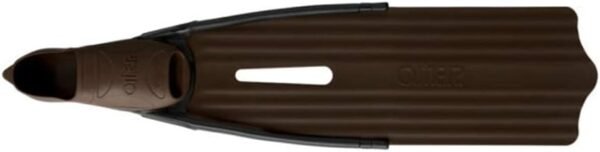
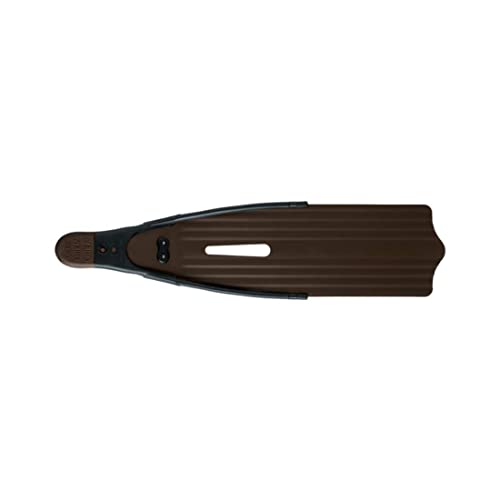
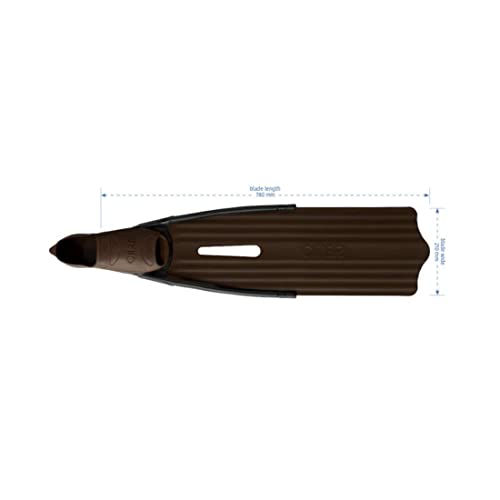
The blade uses rigid polymer material with ribbed profile. The ribs run along the blade surface to channel water and concentrate power. Blade length is approximately 72-78 cm depending on size. The full foot pocket design provides secure fit. Complete fin weight ranges from 900-1000 grams depending on size. Large heel pull tab assists with donning and doffing. Price ranges from $120 to $150 at most retailers. Available in five sizes covering most foot dimensions. Available in camo and solid color options. These fins target beginners and hunters who want durable construction for regular use.
Using These Fins
Blade Performance
The rigid blade with ribbed profile delivers basic propulsion. The ribs help channel water flow and provide some structural stiffness to the blade. Common feedback from beginners is that the fins feel powerful compared to standard snorkeling fins, though not as efficient as composite materials. The rigid construction means the blade doesn’t have progressive flex—it bends uniformly rather than in engineered patterns. For learning finning technique and building leg strength, this straightforward performance works adequately.
Power Transfer
The full foot design does provide stable power transfer. The secure fit means less energy lost to foot movement inside the pocket. The ribbed blade concentrates force during the power phase of each kick. For beginners developing proper technique, you can feel the connection between leg movement and propulsion. The efficiency isn’t comparable to advanced fins, but for entry-level equipment the power transfer is acceptable.
Foot Pocket Usability
The large heel pull tab genuinely makes donning easier. This matters for beginners who struggle with tight foot pockets or when wearing gloves in cold water. The foot pocket fit is secure without being overly tight. Sizing runs fairly true to stated measurements. The pocket doesn’t have advanced ergonomic shaping but provides functional fit for most foot types. Extended wear can create some pressure points, though not as severe as cheaper options.
Durability
The durable construction holds up to regular use. The rigid polymer blade resists scratches and impact damage. The foot pocket maintains shape without developing stress cracks from repeated use. These are built to withstand the demands of regular diving and hunting sessions. For beginners who will use fins frequently during training, the durability is appropriate.
Weight Considerations
At 900-1000 grams, these are heavier than some entry-level fins. The weight comes from the rigid construction and full foot pocket. This affects travel convenience and surface swimming effort. For local diving where you’re not traveling with gear, the weight is manageable. For divers who prioritize lightweight equipment, this is a consideration.
Compared to Alternatives
Against the Mares Concorde at $100, the Oceanic Predator costs $20-50 more but doesn’t deliver notably better performance. The Concorde has lighter weight and arguably better blade design. The XS Scuba Hypos at $90 provides floating buoyancy and channeled blade for less money. The Bare Predator at $70 costs significantly less with similar basic performance. The OMER Stingray EVO at $110 offers modular upgrades the Oceanic lacks. The Oceanic Predator’s value proposition is less clear—it sits at mid-range pricing without standout features.
Final Assessment
The strengths are the durable construction and the heel pull tab convenience. The fins will withstand regular use without significant wear. The large pull tab helps with donning in various conditions. The limitations are the price-to-performance ratio and the weight. At $120-150, these cost more than better-designed entry fins without delivering superior performance. The heavier weight affects usability. For beginners, spending less on Mares Concorde or XS Scuba Hypos provides better value.
Buying Guidance
Buy the Oceanic Predator if you specifically want Oceanic branding or find them on significant sale below $100. The durable construction works for frequent use during training. The heel pull tab is convenient for various diving conditions. Skip them at full retail price—better value exists in the Mares Concorde, XS Scuba Hypos, or OMER Stingray EVO which all cost less with equal or better performance. Also skip if weight is a concern for travel or surface swimming. Better alternatives for beginners include the Mares Concorde at lower price with lighter weight, or the OMER Stingray EVO with modular upgrade capability. If you find Oceanic Predators discounted below $90, they become more competitive, but at retail pricing other options deliver better value.
| General Specifications | ||||||||||||
|---|---|---|---|---|---|---|---|---|---|---|---|---|
|
||||||||||||
| Fin Specifications | ||||||||||||
|
||||||||||||
| Pros and Cons | ||||||||||||
|
||||||||||||
Related Products
-
 ×
×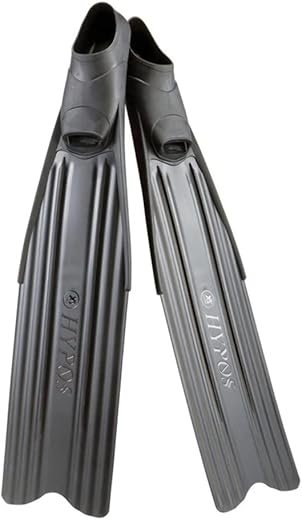
XS Scuba Hypos Long Blade Freediving Fins
$89.96
Open full product pageLightweight floating fins with channeled stability ideal for freediving beginners and students.
00 -
 ×
×
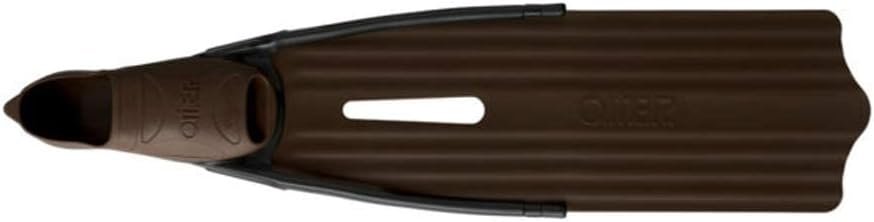
OMER Stingray EVO Long Blade Freediving Fins
$111.75
Open full product pageVersatile plastic fins with wide blade thrust and modular upgrade path to composite.
00 -
 ×
×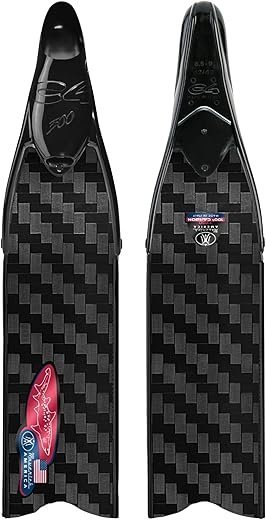
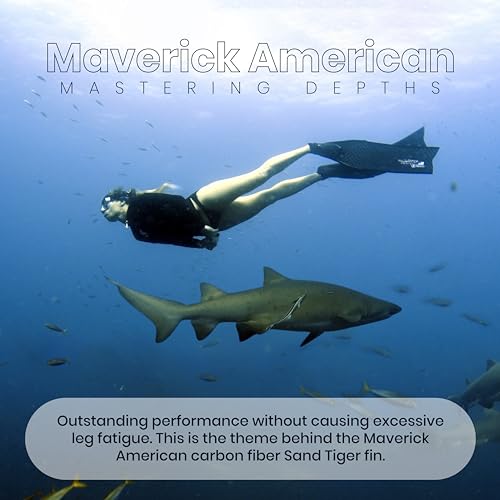
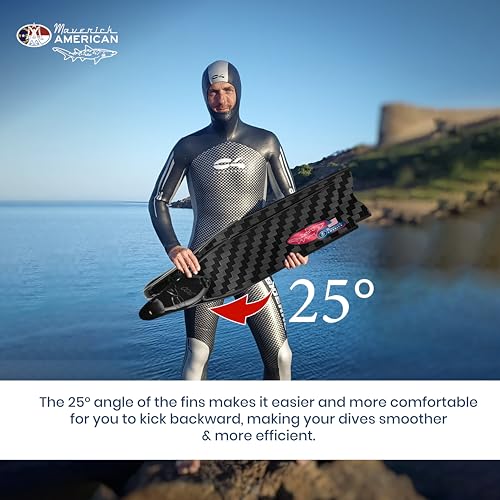
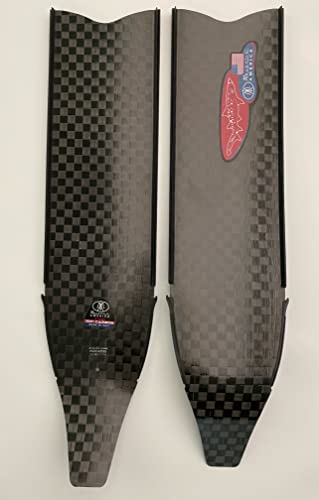
Maverick America DJ Sand Tiger Carbon Freediving Fins
$336.71
Open full product pageLightweight carbon fins with parabolic blade design optimized for spearfishing maneuverability.
00 -
 ×
×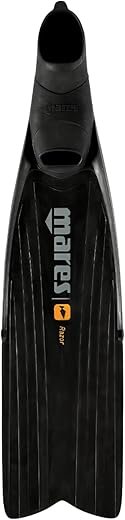


Mares Razor Pro Freediving Fins
$138.95
Open full product pageComfortable modular plastic fins with upgrade path to composite blades for growing freedivers.
00
Latest Revies







Reviews
There are no reviews yet.