

Compare Prices



* We earn a small commission on your purchase without increasing the price.
Scubapro Go Sport Fins: A Travel Fin That Actually Works
I started using the Go Sport fins about three years ago after my trusted Cressi fins finally gave up. I was looking for something simple and durable, and I had seen the Scubapro Go Fin (the cheaper brother of the Go Sport) become quite popular with dive centers in Asia.
After using these on probably 600+ dives across Southeast Asia and countless sessions in the pool, I can safely say these fins have proven their money’s worth.
What You’re Getting
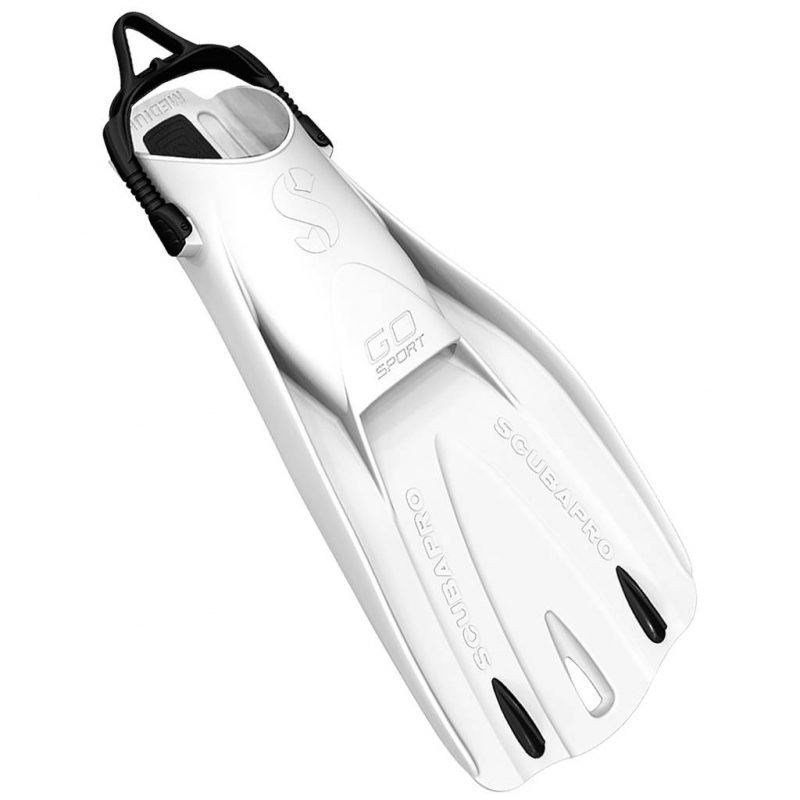
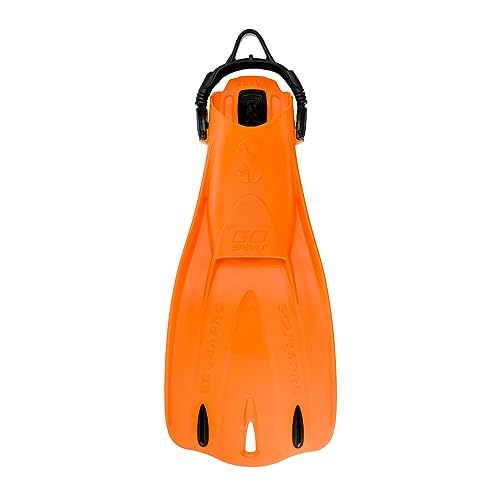
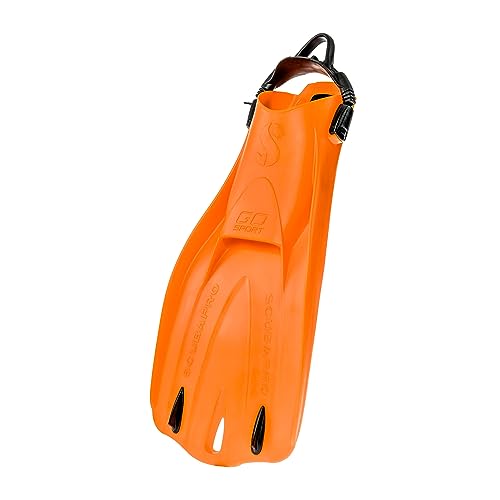
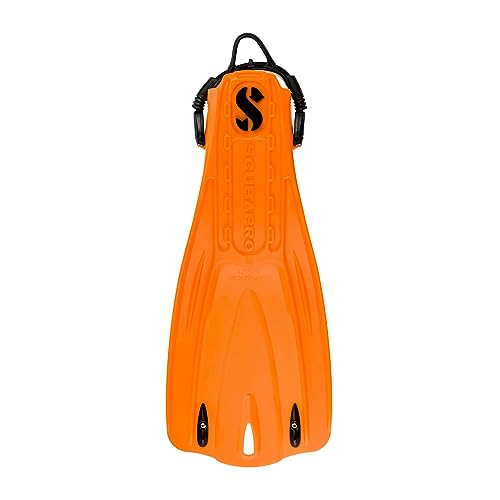
The Go Sport has a simple blade design and is made entirely from Monprene material. The foot pocket perfectly fits the small warm water booties that I’m using. The bungee heel strap is very simple and replaceable, and holds up surprisingly well. The price sits around $140-175, depending on where you shop.
These come in five sizes from extra small to extra large, and they’re available in six colors, including (everybody’s favorite) pink.
The fins are about 48–68 cm long, depending on size. Each fin weighs around 0.6 kg. That’s about 1.2 kg per pair. Pretty light.
They fit in standard carry-on luggage. The blade has mounting points for replaceable skegs that are supposed to help with stability, but are purely for looks, if you ask me. Some divers may appreciate personalising their gear this way.
This is a mid-range travel fin designed for recreational divers who want something packable but with Real-World Performance.
The straps
I’ve used these fins teaching students in the pool and diving in warm water. The fin straps on the Scubapro Go Sport Fins are holding up perfectly. It’s basically a rubber band that can be easily replaced if needed. The straps give me enough support to not feel that I’m loosing a fin, and I have not replaced them yet.
My booties are basically simple beach walking shoes. The foot pocket isn’t especially flexible, but the fit is still excellent. If you’re wearing thicker cold-water boots, I’d definitely recommend trying them on to check the fit and make sure the strap isn’t being overstretched.
Performance
For kicking performance, they handle all the basics well. Flutter kick feels natural and efficient. Frog kick works fine. I’ve used these fins in moderate to strong currents in Indonesia without problems, though you’ll definitely get a bit more speed out of bigger fins. If you’re considering buying these fins and often dive in strong currents, take a look at the Scubapro Go Sport Gorilla Fin. It’s the exact same fin, but made from a stiffer material.
One thing I should mention is that these fins will work particularly well for photographers and videographers. The shorter blade makes it easier to hold position and make small adjustments without disturbing the environment. In tight spaces, wrecks, and overhead environments, the shorter blade length is a real advantage for maneuverability.
Durability
Durability was the main reason for choosing these fins, and they really impressed me. I’ve done rocky shore entries, boat diving, and (natural stone) pool sessions with students. The fins get thrown around, other boxes stacked on top of them, and they don’t show a single knack or scratch. They just keep working.
The Monprene material hasn’t cracked or delaminated. After three years of regular use, mine still look like new. Many dive centers I work with use the Scubapro Go Fins that are made from a similar, but slightly stiffer material. They seem to handle the daily abuse of dive center life impressively well.
Traveling with these fins
Compared to other open heel fins, these are noticeably lighter and more packable. The shorter blade means they fit in standard carry-on luggage. But, because of their single-material construction and added stiffness, they aren’t quite as packable as most full-foot fins. Classifying them as ‘travel fins’, like Scubapro does, might be a bit overstretched.
Our Take
The main strength of the Scubapro Go Sport Fins is durability. The Monprene construction is genuinely tough. The bungee straps are convenient and comfortable, and don’t lose their elasticity.
They are versatile as well. These fins work for tropical diving and for cold water diving with boots. They’re great for photographers and even light technical diving.
They’re light and small enough to pack in your suitcase, but they’re also not the absolute most compact travel fin if minimal size is your priority.
The limitation is current performance. In strong currents, you’ll work harder than with larger fins. But for most recreational diving situations, they perform really well.
Final Recommendation – who should buy the Scubapro Go Sport Fins
Buy these fins if you want a durable, no-nonsense fin that works in many different diving environments. They’re a good choice for traveling divers who want a fin that is lighter and easier to pack than most open-heel fins but still feels solid and reliable underwater.
The tough Monprene construction makes them especially suitable for divemasters and instructors who want a durable fin for a reasonable budget.
These fins are ideal for divers who move between environments. They work well for tropical diving, pool sessions, and colder water dives with boots. They’re also a strong option for underwater photographers who value control and easy maneuvering over power.
Skip them if you mainly dive in strong currents and need maximum thrust.
They’re also not the smallest or softest fins to pack. If ultra-compact travel gear is your priority, a full-foot fin may be a better fit.
| General Specifications | ||||||||||||||
|---|---|---|---|---|---|---|---|---|---|---|---|---|---|---|
|
||||||||||||||
| Fin Specifications | ||||||||||||||
|
||||||||||||||
| Pros and Cons | ||||||||||||||
|
||||||||||||||
Related Products
-
 ×
×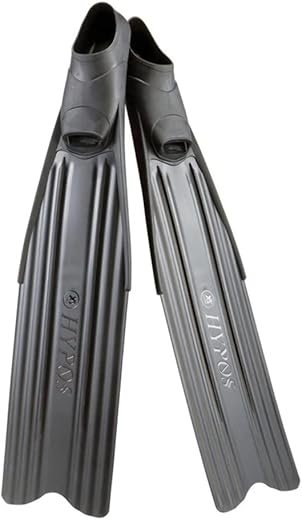
XS Scuba Hypos Long Blade Freediving Fins
$89.96
Open full product pageLightweight floating fins with channeled stability ideal for freediving beginners and students.
00 -
 ×
×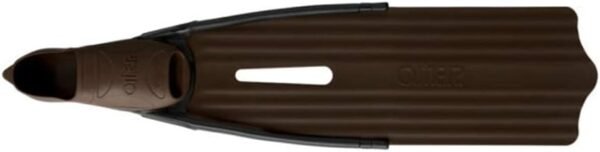
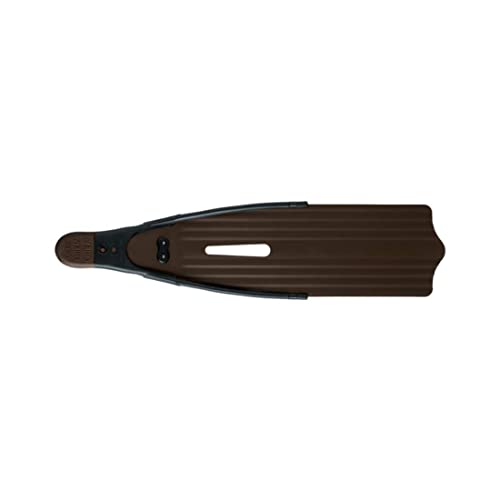
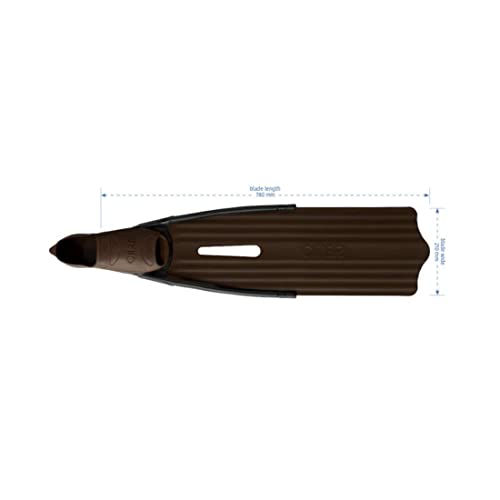
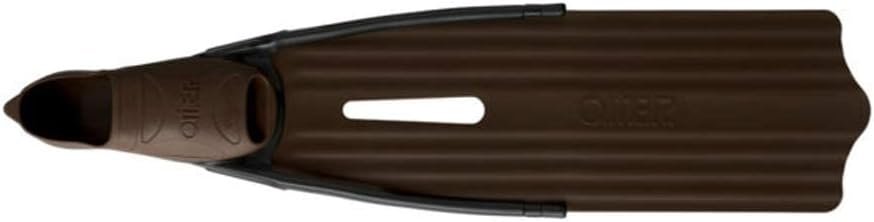
OMER Stingray EVO Long Blade Freediving Fins
$111.75
Open full product pageVersatile plastic fins with wide blade thrust and modular upgrade path to composite.
00 -
 ×
×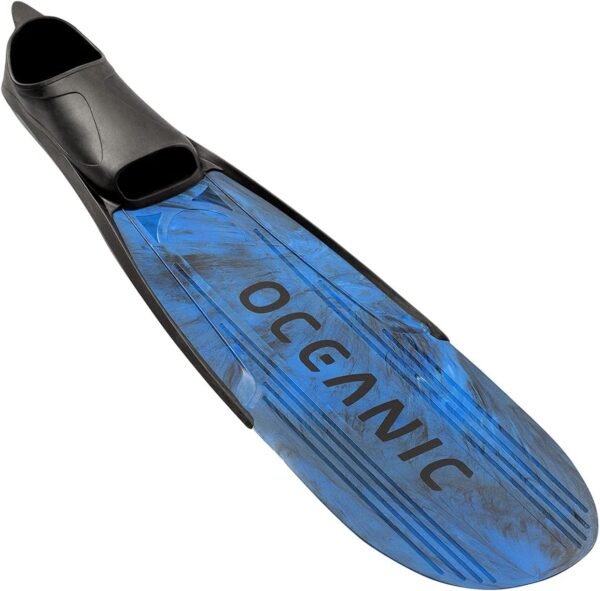
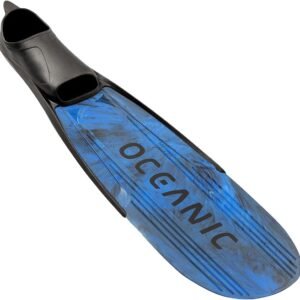
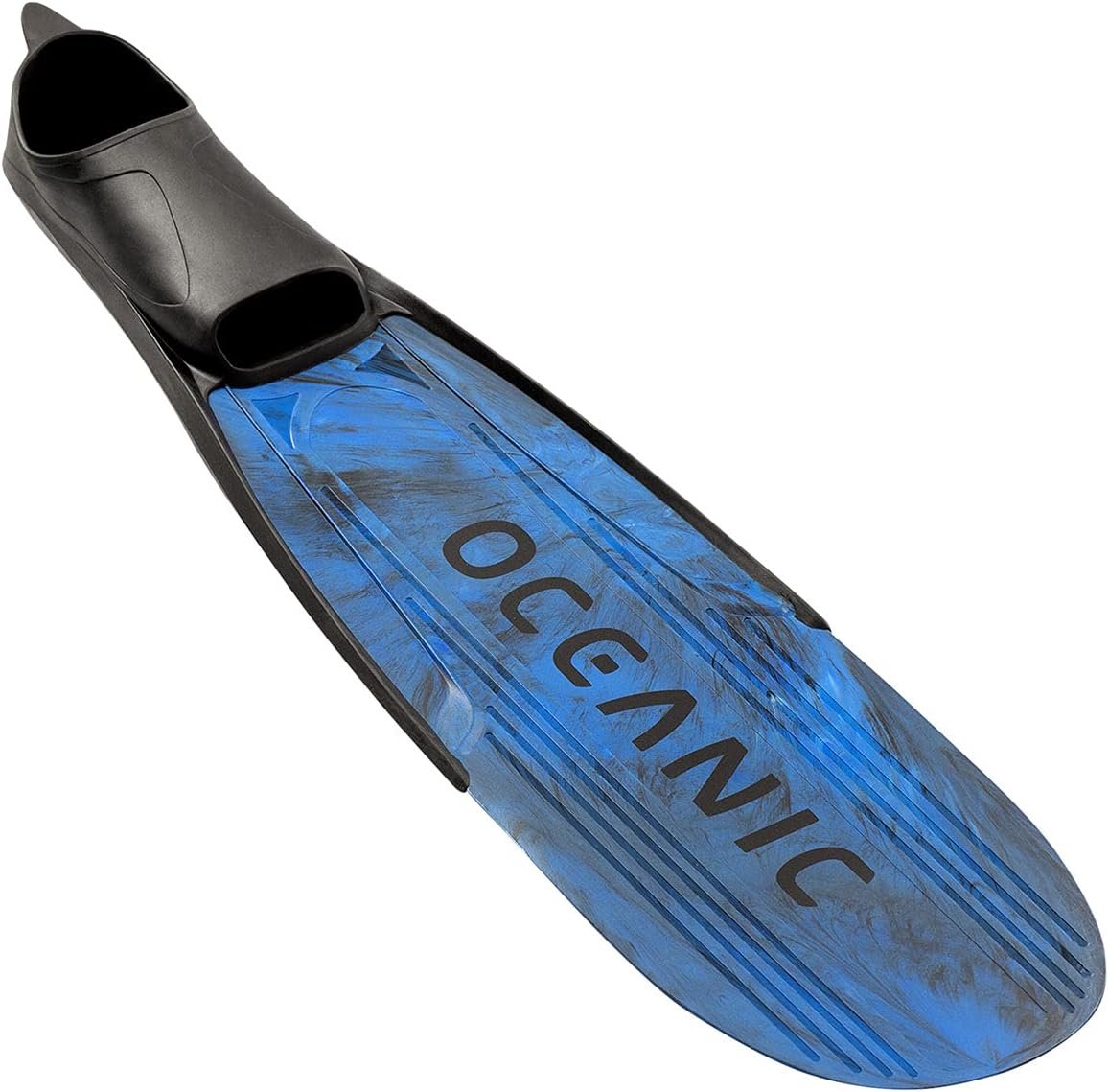
Oceanic Predator Freediving Fins
$134.95
Open full product pageDurable entry-level fins with ribbed blade and convenient heel tab for beginner freedivers.
00 -
 ×
×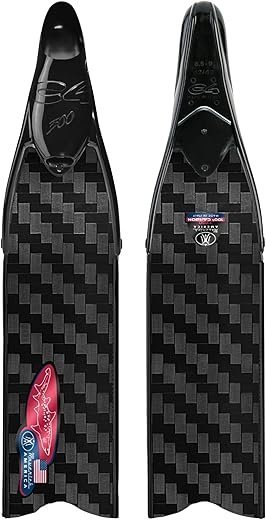
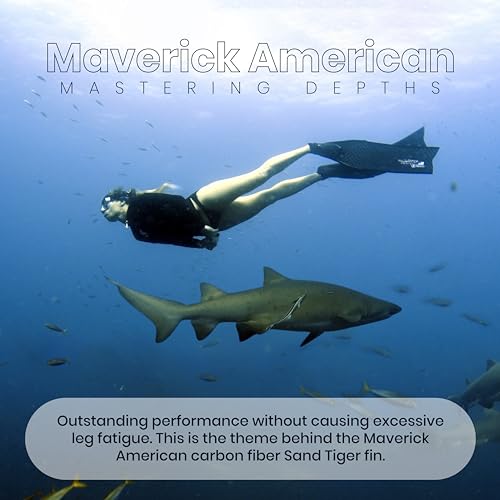
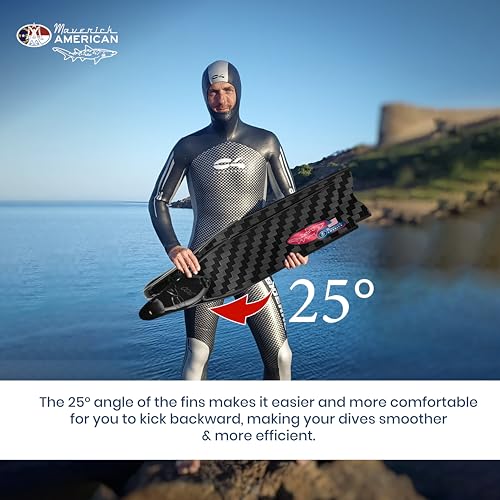
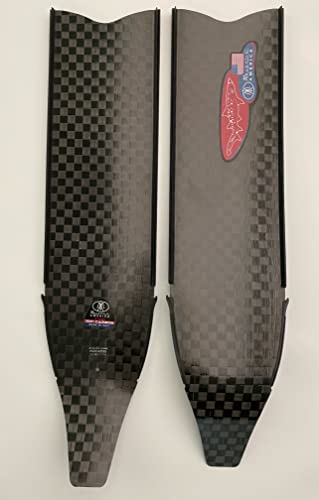
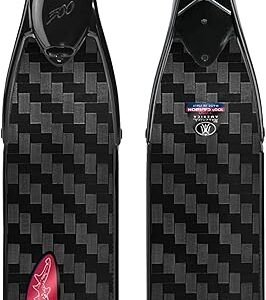
Maverick America DJ Sand Tiger Carbon Freediving Fins
$336.71
Open full product pageLightweight carbon fins with parabolic blade design optimized for spearfishing maneuverability.
00
Latest Revies







Reviews
There are no reviews yet.