
0
0
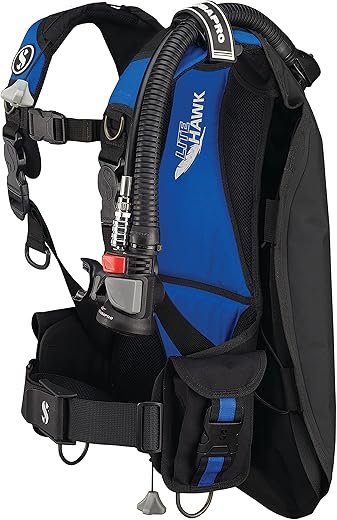
Scubapro Litehawk BCD with AIR2
Streamlined travel BCD with integrated AIR2 for reduced hose clutter
Pros
AIR2 integrated system eliminates separate octopus, Scubapro 420-denier construction provides proven durability
Cons
AIR2 system may not suit all divers, Higher price compared to competing travel BCDs, Integrated weight pockets are optional extras, not included
Compare Prices


* We earn a small commission on your purchase without increasing the price.
Scubapro Litehawk BCD with AIR2 Review
Divers who want a streamlined travel BCD with Scubapro build quality and the convenience of an integrated inflator-regulator keep looking at the Litehawk. The AIR2 alternate air source eliminates the need for a separate octopus, which reduces hose clutter and gives you one less piece of equipment hanging from your rig. This matters particularly for underwater photographers and divers who want a minimalist setup. At $724, the Litehawk sits in the upper mid-range and delivers Scubapro engineering at a price point below the Hydros Pro.
What’s In The Package
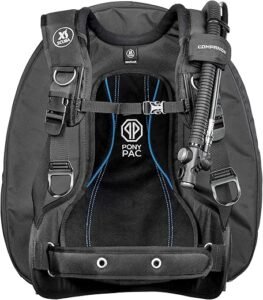
The Litehawk weighs 2.2-2.3 kg depending on size. It’s constructed from 420-denier nylon. Price is around $724 with the AIR2 fifth-generation alternate air source included. The BCD uses a back-inflation design with a low-profile, progressively-shaped rear air cell. The soft backpack lays flat for packing. Lift capacity is approximately 13.2 kg. Available in multiple sizes from extra small/small to extra large/extra extra large. Color options include black with blue or gray accents. The belt-style waist strap uses a nylon buckle. Rotating quick-release shoulder buckles let you optimize strap routing. Two basic accessory pockets are included. Four aluminum D-rings provide attachment points. The tank band and strap system secures the cylinder. Two rear trim pouches are included for balanced swimming position. The BCD carries no inherent buoyancy, which minimizes required ballast weight. Optional quick-release weight pockets are available separately.
Diving Performance
AIR2 integrated inflator-regulator
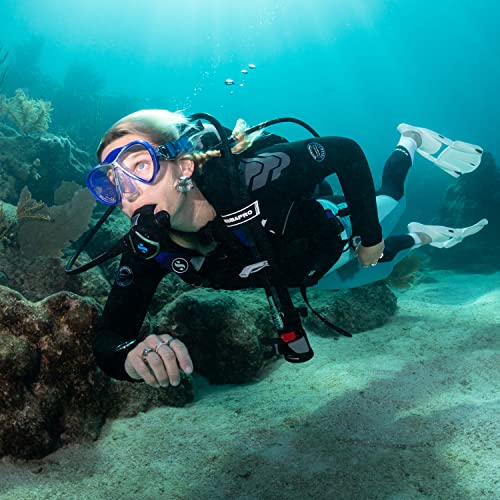
The AIR2 fifth-generation system combines the BCD inflator with a backup regulator. This eliminates the traditional octopus from your setup, which reduces hose clutter significantly. I hear underwater photographers mention this feature constantly because it means fewer hoses to get tangled in viewfinders and strobes. The AIR2 is always positioned in the same place – on your inflator – which makes it easy to locate in an emergency. Common feedback from divers is that the breathing performance matches primary second stages. The system requires specific training to use properly in an out-of-air situation.
Weight and packability
At 2.2-2.3 kg, the Litehawk is comparable to other lightweight travel BCDs. The soft backpack and flat-laying design make it easy to pack in standard luggage. The 420-denier nylon construction provides a good balance between durability and weight. Many traveling instructors report that the Litehawk packs well for airline travel without requiring special handling.
Tank stability
The tank band and strap system keeps cylinders secure at depth. The lower primary tank band, upper support strap, and adjustable yoke strap work together to lock the tank in position. Dive pros mention that this system prevents tank wobble effectively. The stability contributes to comfortable diving even during extended bottom times.
Fit and comfort
The belt-style waist strap with nylon buckle adjusts for different body types. Rotating quick-release shoulder buckles let you route padded shoulder straps under your arms or over shoulders depending on your preference. This adjustability helps achieve a custom fit. The progressively-shaped rear air cell increases range of motion while reducing drag. In my opinion, the fit is comfortable once you spend time adjusting the straps properly.
Buoyancy characteristics
The BCD carries no inherent buoyancy, which means you need less lead weight. This is helpful for travel since you’re carrying less total weight. The 13.2 kg lift capacity handles typical recreational tropical diving setups. The three-dump deflation system lets you vent air from multiple positions. The back-inflation design promotes horizontal trim underwater.
Storage and attachments
Two basic accessory pockets provide storage for small items. Four aluminum D-rings offer clip-on points for additional gear. Two rear trim pouches help achieve balanced swimming position. Optional quick-release weight pockets are available separately, which adds cost beyond the base price. The minimal storage keeps the BCD streamlined but limits what you can carry.
Comparing Options
At $724, the Litehawk costs more than most travel BCDs but less than the Hydros Pro at $1,182. The Oceanic Biolite runs $515-605, the Aqua Lung Zuma costs $479, and the Zeagle Scout is $440 – all significantly less expensive. What you’re paying extra for with the Litehawk is the AIR2 integrated inflator-regulator and Scubapro build quality. If you calculate the cost of a separate octopus ($150-300), the price differential narrows. For divers who value the streamlined setup and always have the AIR2 positioned consistently, the premium makes sense. For budget-conscious divers or those who prefer traditional octopus placement, less expensive options deliver similar travel performance.
Assessment
The Litehawk’s main strength is the AIR2 integrated system combined with solid travel BCD fundamentals. The elimination of a separate octopus reduces hose clutter, which underwater photographers and videographers appreciate. The 420-denier nylon construction from Scubapro provides proven durability. Tank stability is good, and the adjustable fit accommodates different body types. Zero inherent buoyancy helps minimize required lead weight.
The limitations come from the price and minimal included features. At $724, you’re paying significantly more than competing travel BCDs. Weight pockets are optional extras rather than included. Storage is basic with just two pockets. The AIR2 system requires specific training and practice – you can’t just hand it off to an out-of-air diver the way you would a traditional octopus. The lift capacity limits use to warm-water recreational diving.
Purchasing Recommendations
Buy the Scubapro Litehawk if you’re an underwater photographer or videographer who wants to minimize hose clutter and values the consistent positioning of the AIR2 system. This is a strong choice for traveling recreational divers who prioritize Scubapro engineering and build quality over price. Divers who prefer having their alternate air source always in the same location will appreciate the AIR2 setup. Tropical divers who want a streamlined back-inflation BCD with proven durability should consider this option.
Skip this BCD if budget is your primary concern – you can get similar travel performance for $200-300 less with other options. New divers who aren’t comfortable with the AIR2 training requirements should stick with traditional octopus setups. Divers who need integrated weight pockets included in the base price will find better value elsewhere since these are optional extras for the Litehawk. Cold-water divers who need higher lift capacity should look at BCDs designed for heavier exposure protection.
| General Specifications | ||||||||||||||||||
|---|---|---|---|---|---|---|---|---|---|---|---|---|---|---|---|---|---|---|
|
||||||||||||||||||
| BCD Specifications | ||||||||||||||||||
|
||||||||||||||||||
| Pros and Cons | ||||||||||||||||||
|
||||||||||||||||||
Related Products
-
 ×
×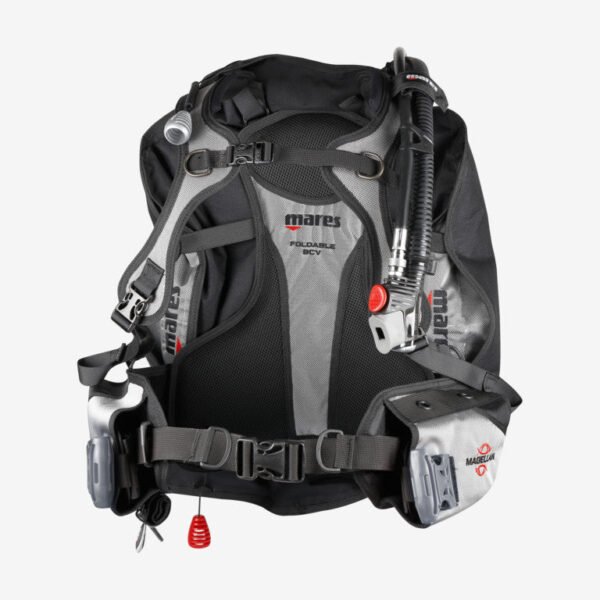
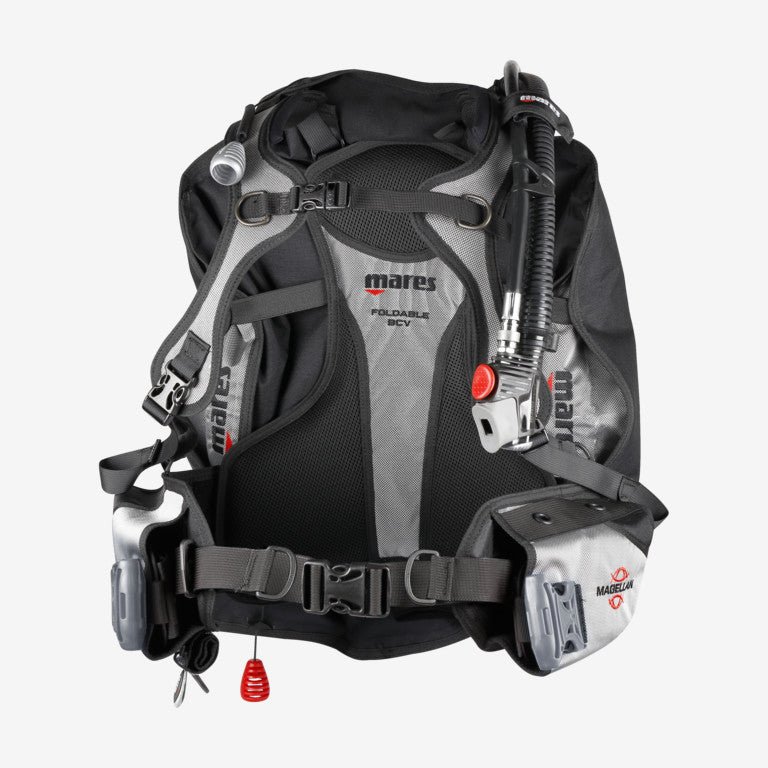
Mares Magellan BCD
$499.95
Open full product pageLightweight foldable BCD with ergonomic design for serious traveling divers
00 -
 ×
×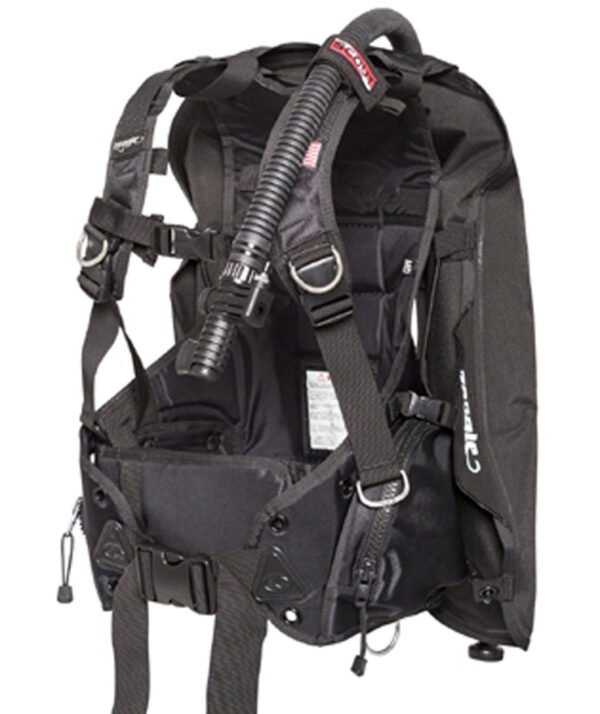
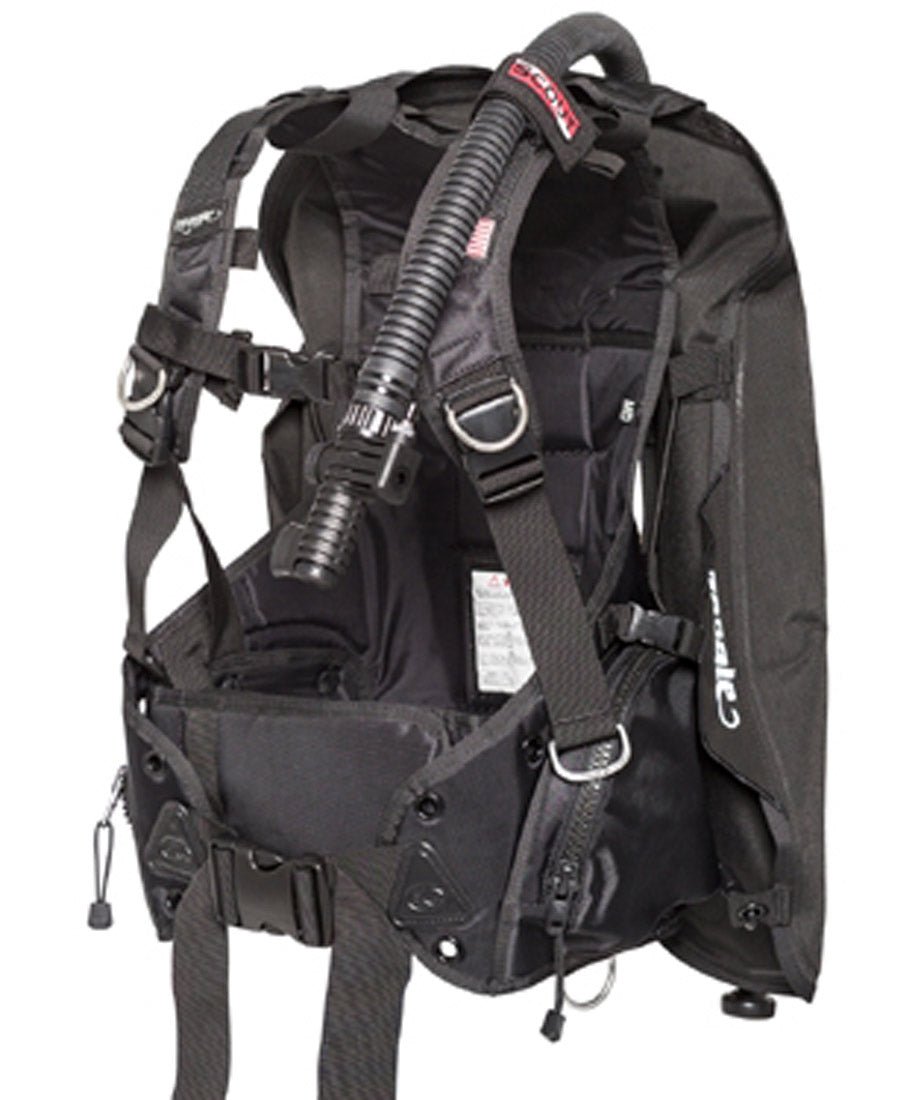
Zeagle Scout BCD
$439.95
Open full product pageAffordable entry-level BCD with Zeagle durability for new divers
00 -
 ×
×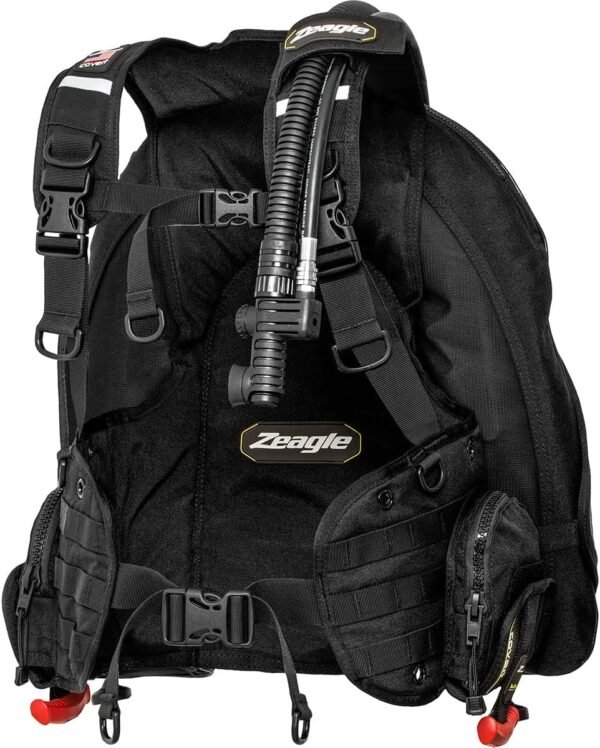
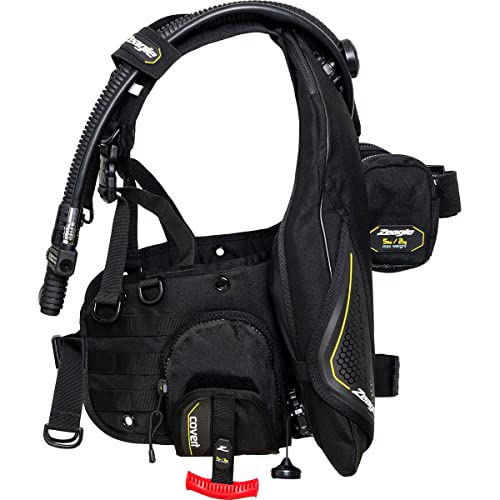
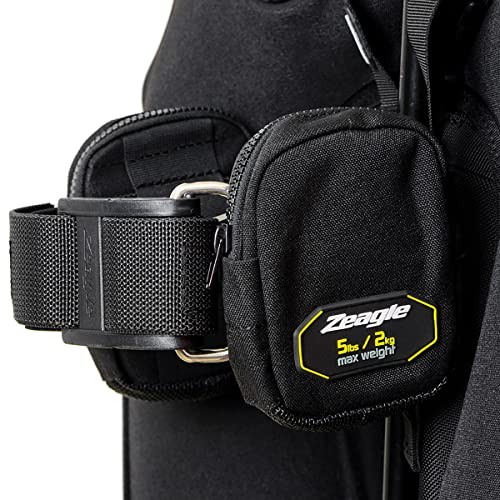
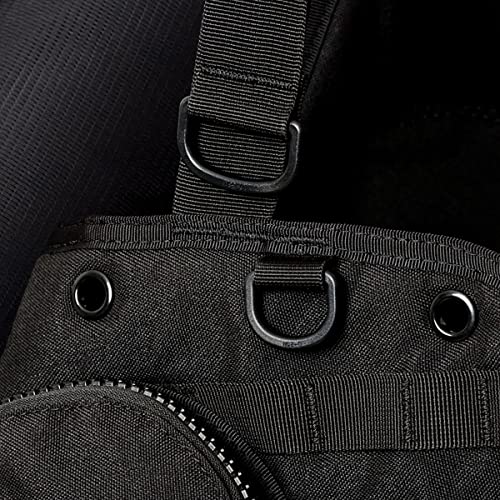
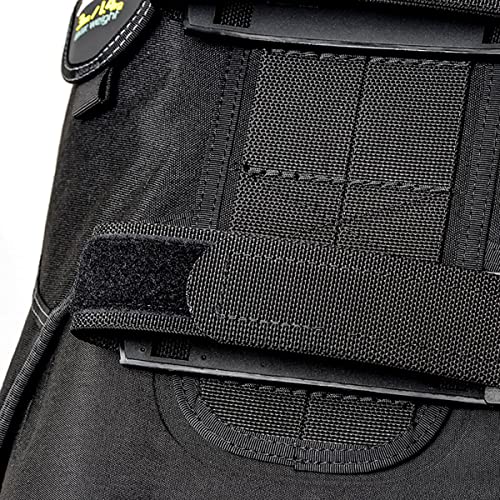
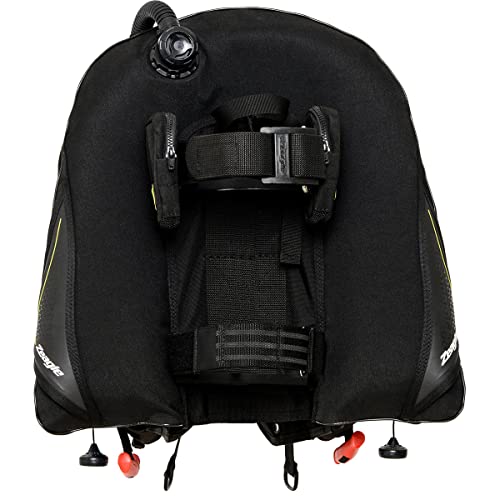
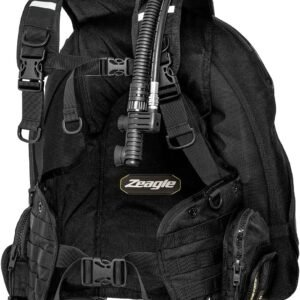
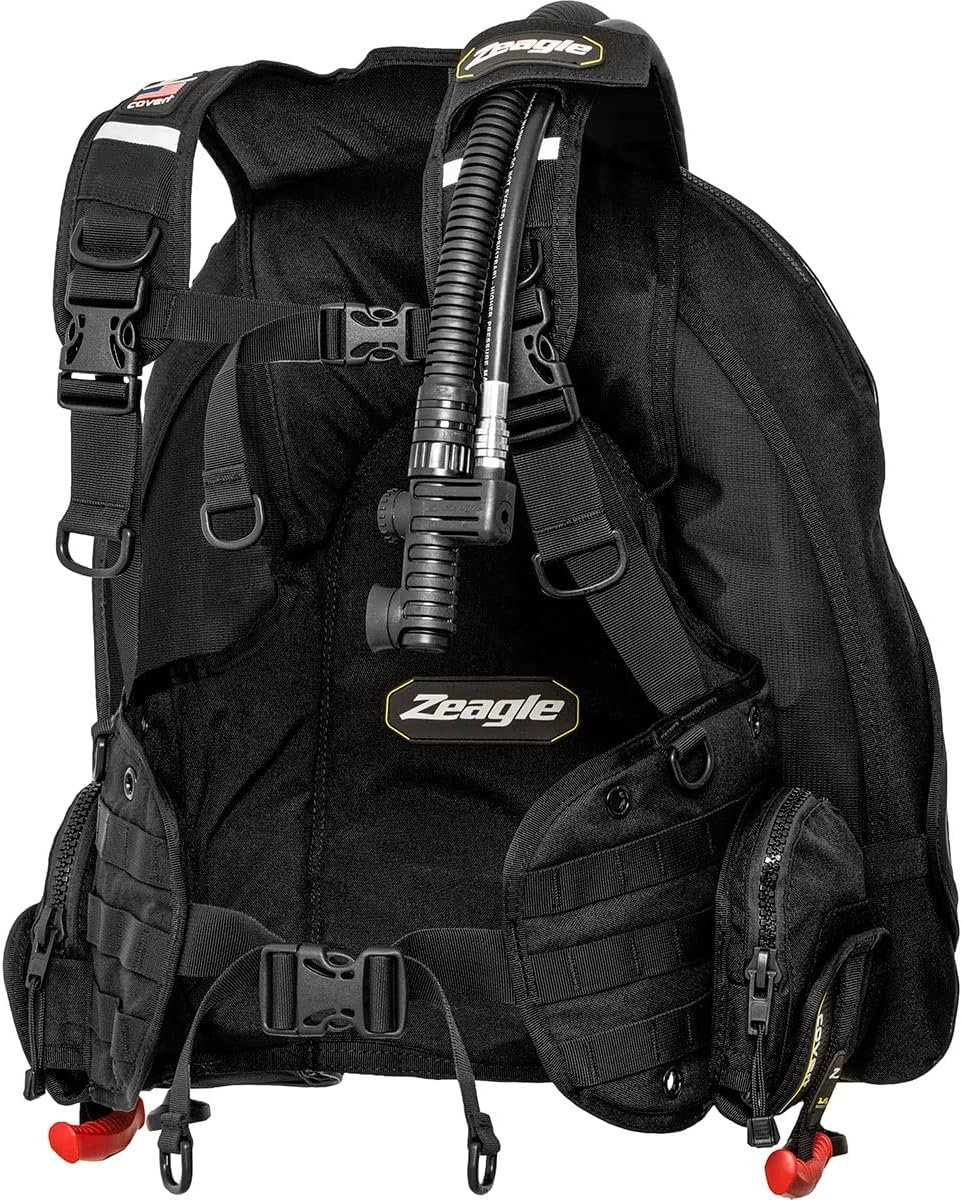
Zeagle Covert XT BCD
$499.95
Open full product pageRugged travel BCD with MOLLE customization for versatile mission-ready diving
00 -
 ×
×



Scubapro Hydros Pro BCD
$1,182.00
Open full product pagePremium modular BCD with innovative Monprene harness for ultimate customization
00
Latest Revies







Reviews
There are no reviews yet.