
0
0
Shearwater Tern TX
Shearwater reliability meets watch-style convenience with brilliant AMOLED display and wireless air integration.
Pros
Brilliant AMOLED screen, Intuitive four-button interface, Wireless air integration and built-in compass at mid-range price
Cons
Limited battery life, No smartwatch features beyond basic timekeeping and dive functions
Compare Prices


* We earn a small commission on your purchase without increasing the price.
Shearwater Tern TX Review
For dive instructors teaching multiple students daily, recreational divers building a proper kit for the first time, and underwater photographers who need essential info at a glance, the Shearwater Tern TX delivers Shearwater reliability in a compact watch-style package. This computer has proven to be a solid mid-range option that punches above its price point. The standout features are the brilliant AMOLED display, wireless air integration with up to four transmitters, and the built-in digital compass, all wrapped in a package that’s comfortable enough to wear every day.
What You’re Getting
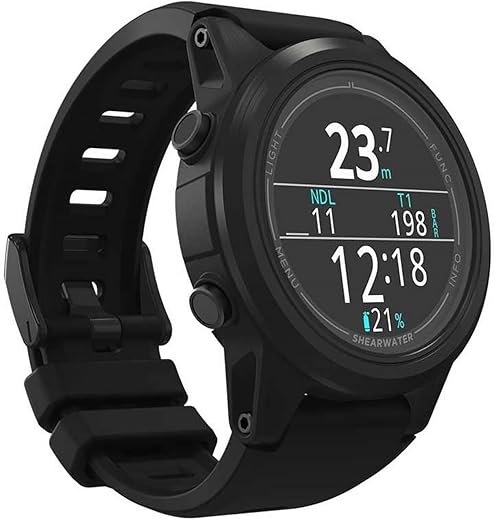
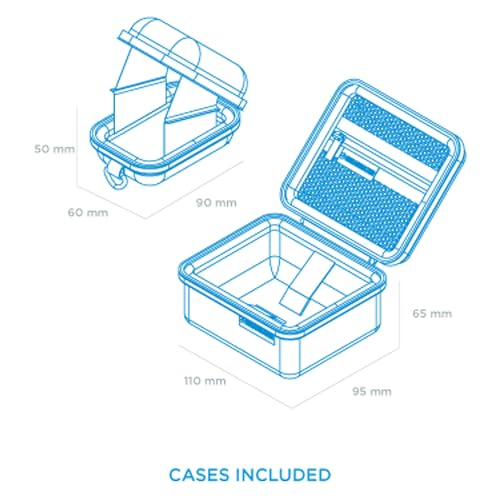
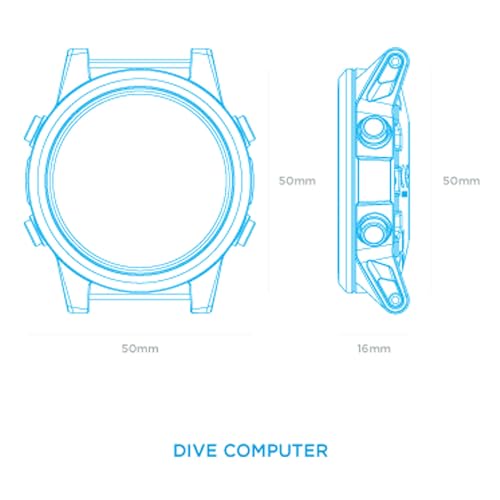
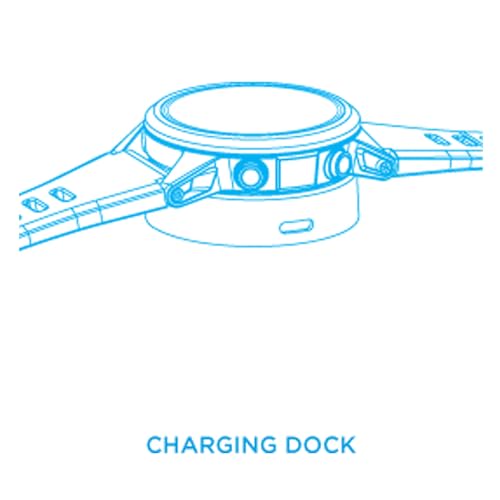
The Tern TX sits at around $775 USD retail, which positions it between entry-level computers and the flagship Teric. The package includes the computer itself with a pre-installed screen protector, a wireless charging station with USB-C, two quick-release silicone straps in different lengths, and a protective nylon carrying case. The watch features a 3.3 cm (1.3-inch) AMOLED display with 360×360 resolution, protected by toughened aluminosilicate glass. It weighs 100 grams and measures 50 mm in diameter by 16 mm thick. The computer is depth-rated to 120 meters and supports five dive modes: Air, Nitrox, 3 Gas Nitrox, Gauge, and Freediving. Four stainless steel buttons control navigation. The rechargeable lithium-ion battery delivers about 20 hours of dive time per charge.
Real-World Performance
Display
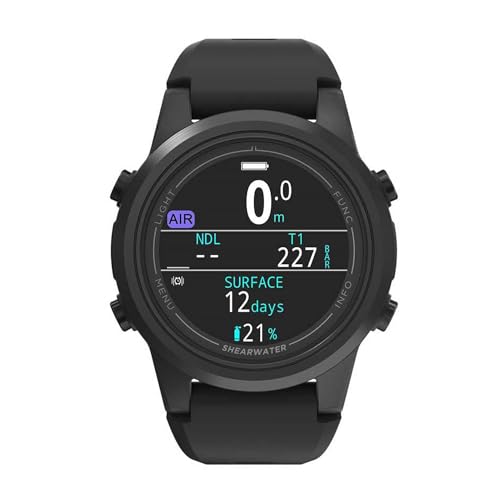
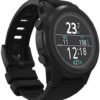
The AMOLED screen is genuinely excellent. The colours are vivid, the blacks are deep, and readability in different lighting conditions is impressive. Divers report using this computer on night dives, in murky river conditions, and in bright tropical sunlight, and the display performs well across all scenarios. The resolution is sharp enough that all the information feels crisp and easy to read at a glance. Compared to older LCD computers, the difference is night and day. The screen does consume more battery than traditional displays, but the trade-off in visibility is worth it for most divers.
Interface and Navigation
The four-button interface is intuitive once you spend a few minutes with it. Each button’s function appears on the screen, so you’re never lost in complicated menus. Many dive instructors mention that students pick up the Tern TX faster than some other computers because the layout is logical and the buttons are clearly labeled. The interface mirrors what Shearwater uses on the Teric, so if you’ve used one, you’ll feel right at home. You can customize what information displays on your screen during dives, choosing between a standard layout with four lines of data or a bigger layout with three lines and larger text.
Air Integration
The wireless air integration works reliably with Shearwater’s Swift transmitters. Pairing is straightforward through the settings menu, and once connected, tank pressure displays clearly on the main screen. The ability to connect up to four transmitters makes this particularly useful for sidemount divers or when managing multiple students. Many pros report that having all their gas information on their wrist eliminates the need to fumble for an SPG, which is especially valuable when working with cameras or students. Common feedback is that the system is rock-solid, with no dropouts or connectivity issues.
Digital Compass
The three-axis tilt-compensated compass is a standout feature at this price point. You can access it either as a dedicated full-screen display or as a floating overlay that doesn’t block your other dive data. The compass is easy to calibrate and holds its accuracy well. Divers find it particularly useful for navigation on night dives and in low-visibility conditions where maintaining a heading is critical. Some users on diving forums mentioned that being able to mark a coordinate heading helps them stay on track during drift dives or in current-prone sites.
Battery Life
The rechargeable battery has been a non-issue according to user reports. Twenty hours of dive time is more than enough for a week of diving, even with the brightness set to medium or high. The wireless charging is convenient—you just drop the computer onto the charging pad and it clicks into place magnetically. The Tern TX uses a different battery than the Teric, which had some early reliability concerns. The computer can sit for months on standby without significant drain. Common feedback from instructors is that the battery holds up well to daily use without needing frequent recharges.
Algorithm and Dive Modes
The Tern TX uses the Bühlmann ZHL-16C algorithm with adjustable gradient factors. For recreational diving, there are three preset conservatism levels (High 35/75, Medium 40/85, Low 45/95), or you can set custom gradient factors if you prefer. The computer handles light technical diving well with its 3 Gas Nitrox mode supporting up to 100% oxygen. The gauge mode is useful for technical divers who want to use their own tables or dive planning software. The freediving mode is a nice addition, though most serious freedivers will want a dedicated freediving computer. The algorithm strikes a good balance between conservatism and bottom time, with the flexibility to adjust based on dive conditions and personal comfort levels.
Comfort and Build Quality
The watch is comfortable to wear all day. At 100 grams, it’s light enough that you forget it’s on your wrist between dives. The silicone straps are soft and the quick-release system makes swapping between the short and long straps effortless when switching between a wetsuit and drysuit. The build quality feels premium—the buttons are responsive with good tactile feedback, and the toughened glass has held up well to typical dive wear and tear according to user reviews. Many divers keep the factory-installed screen protector on as cheap insurance against scratches. The only slight downside is that the Tern TX is noticeably larger than most everyday watches, so it does look like dive gear when worn topside.
How It Stacks Up
At $775, the Tern TX competes directly with the Suunto D5, which typically runs a few hundred dollars more for similar functionality. The Tern TX offers better value with its superior AMOLED display and comparable features. The Garmin Descent G1 is priced similarly but has a monochrome screen, so if display quality matters to you, the Tern TX is the better choice. If you’re considering whether to spend more for the Shearwater Teric, the main differences are screen size (1.39 inches vs 1.3 inches) and technical diving capabilities. The Teric supports trimix and CCR modes, but for recreational and light technical diving, the Tern TX delivers nearly identical performance at a lower price point. The Shearwater Peregrine TX is cheaper at around $650 but has a larger console-style form factor, which some divers prefer for its bigger screen and simpler two-button interface.
In terms of price-to-performance, the Tern TX sits in a sweet spot. You get professional-grade Shearwater reliability, an excellent display, wireless air integration, and a compass without paying flagship prices. Common feedback from diving forums is that it’s essentially a Teric without the technical features, which makes it perfect for the vast majority of sport divers who don’t need trimix or CCR support.
Our Professional Opinion
The Tern TX excels in display quality and ease of use. The AMOLED screen is genuinely best-in-class for this price range, and the intuitive interface means you spend less time figuring out your computer and more time enjoying your dive. The wireless air integration and compass add significant value for photographers and navigation-focused divers. The rechargeable battery has proven reliable, and the watch-style form factor works well for divers who want one device for both diving and everyday wear. The main limitations are the depth rating of 120 meters, which is fine for recreational diving but restricts serious technical divers, and the lack of smartwatch features beyond basic timekeeping. If you want fitness tracking, GPS, or smartphone notifications, you’ll need a separate device. The Tern TX is also noticeably bulkier than most daily-wear watches.
Final Recommendation
Buy the Tern TX if you want a reliable, well-built dive computer with excellent visibility and wireless air integration at a mid-range price. It’s ideal for recreational divers upgrading from entry-level computers, dive professionals who need dependable gear they can wear daily, and underwater photographers who benefit from having all their information in one glance. The computer works particularly well for divers who value screen quality and intuitive operation over extensive smartwatch features.
Skip the Tern TX if you need full technical diving capabilities with trimix or CCR modes—the Shearwater Teric or Perdix 2 are better choices. Also pass if you want a true smartwatch with fitness tracking, GPS route mapping, and smartphone integration—the Garmin Descent series will serve you better. Finally, if you prefer a larger screen and don’t need the watch form factor, the Shearwater Peregrine TX offers similar features in a bigger, easier-to-read package at a lower price.
For most sport divers, the Tern TX represents excellent value. It delivers Shearwater’s legendary reliability and ease of use in a compact, feature-rich package that handles everything from vacation diving to daily instruction work without breaking a sweat.
| General Specifications | ||||||||||||||||||||||||||||
|---|---|---|---|---|---|---|---|---|---|---|---|---|---|---|---|---|---|---|---|---|---|---|---|---|---|---|---|---|
|
||||||||||||||||||||||||||||
| Computer Specifications | ||||||||||||||||||||||||||||
|
||||||||||||||||||||||||||||
| Pros and Cons | ||||||||||||||||||||||||||||
|
||||||||||||||||||||||||||||
Related Products
-
 ×
×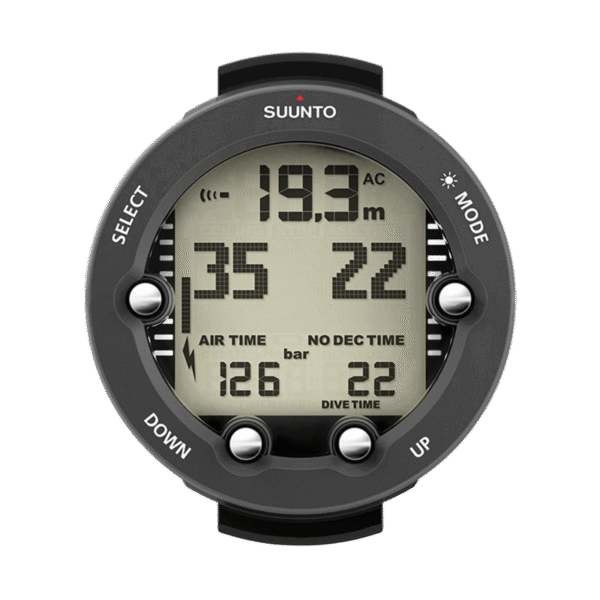


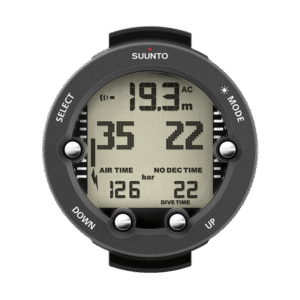
Suunto Vyper Novo
$359.00
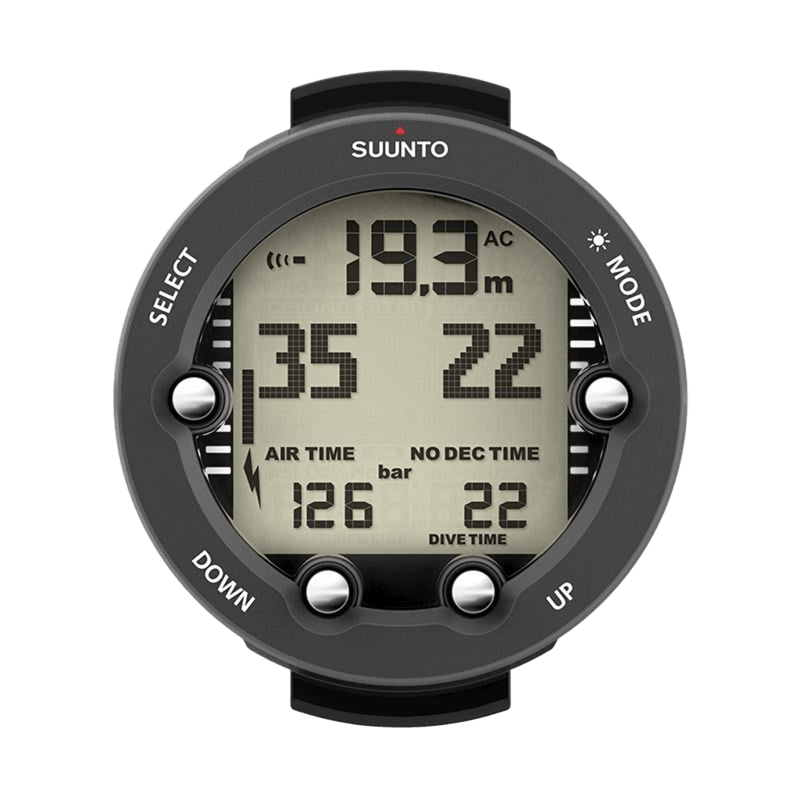
Open full product pageMid-range recreational computer with air integration, compass, and multi-gas capability for growing divers.
00 -
 ×
×


Suunto Nautic S
$549.00
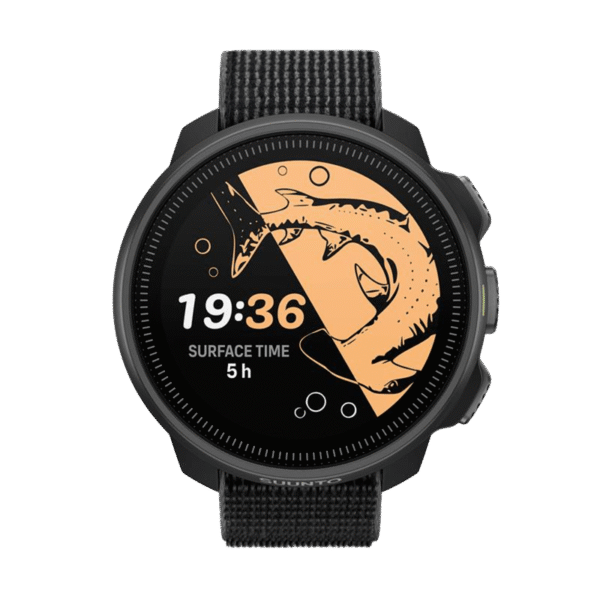
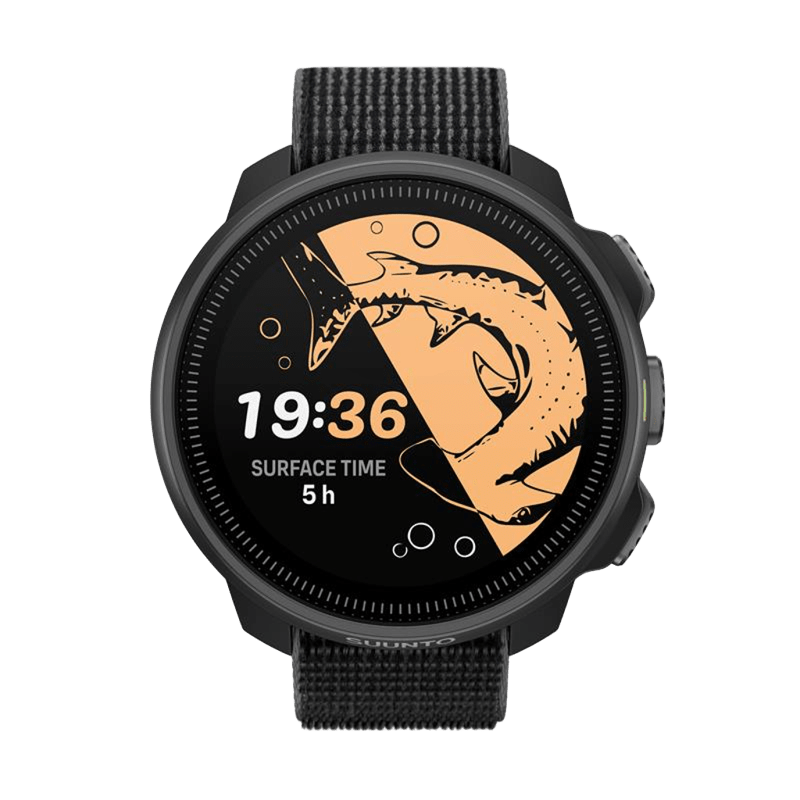
Compact technical dive computer with brilliant AMOLED display and exceptional value for dedicated divers.
Out of stock
Open full product page00 -
 ×
×


Suunto Nautic
$729.00
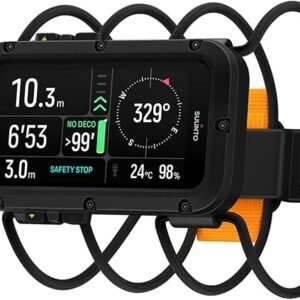
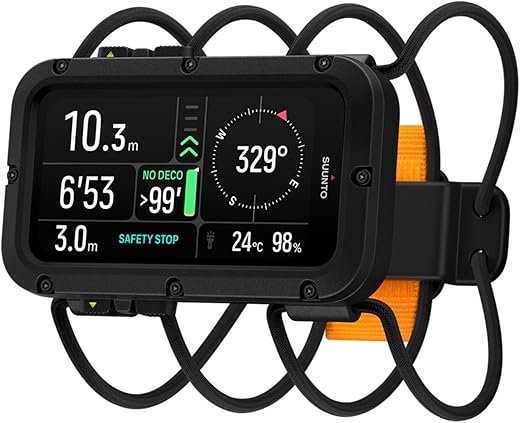
Open full product pageProfessional-grade technical dive computer with brilliant AMOLED display and exceptional battery life.
00 -
 ×
×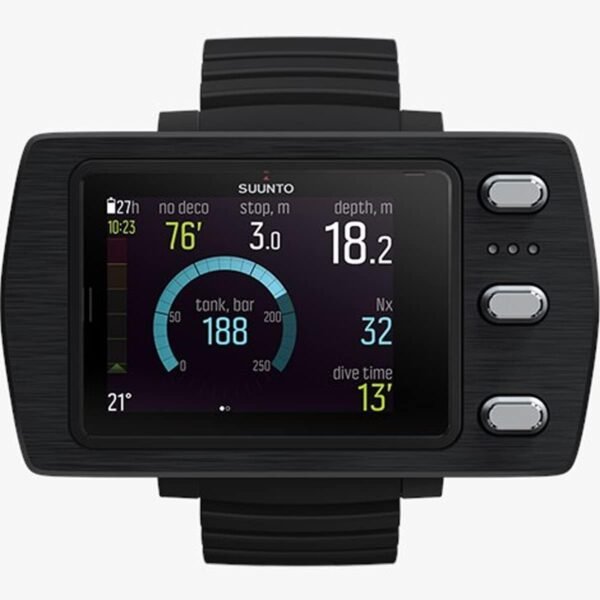


Suunto EON Steel
$1,182.42
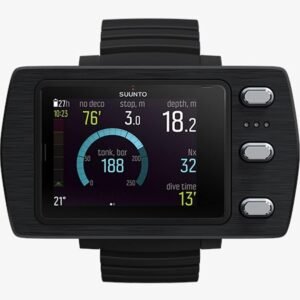
Premium technical computer with stunning color display and robust construction, held back by conservative algorithm.
Out of stock
Open full product page10
Latest Revies









Reviews
There are no reviews yet.