


0
1
Suunto EON Steel
Premium technical computer with stunning color display and robust construction, held back by conservative algorithm.
Pros
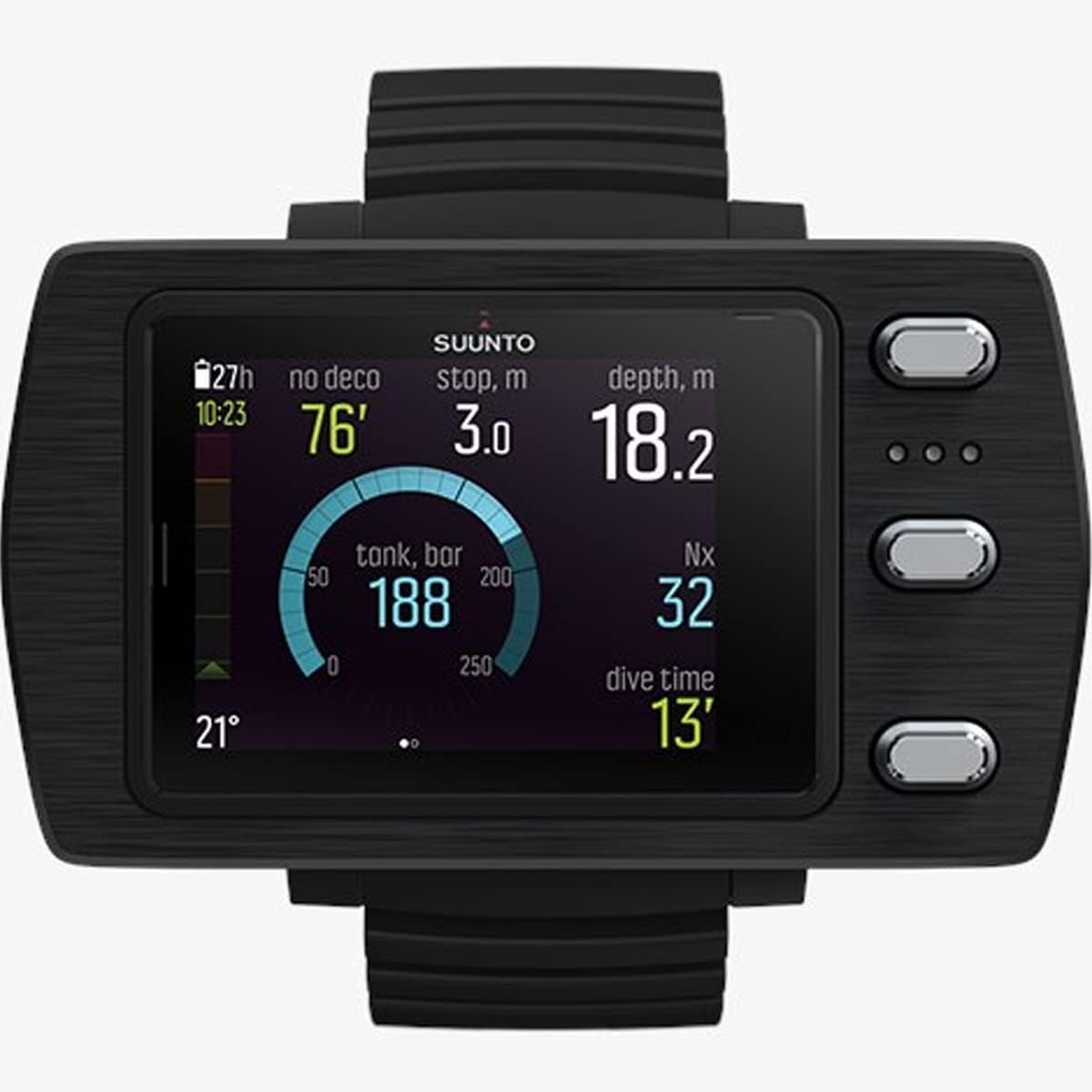
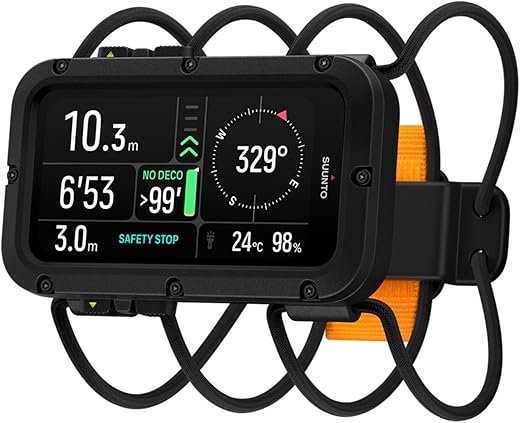
Stunning 2.4-inch color display with excellent visibility and customizable layouts
Cons
Fused RGBM 2 algorithm is too conservative for many technical divers, Heavy at 347g and bulky form factor
Compare Prices

* We earn a small commission on your purchase without increasing the price.
Suunto EON Steel Review
The Suunto EON Steel was Suunto’s flagship technical dive computer when it launched in 2015, and it still gets attention from advanced divers looking for a full-color display and robust build quality. I’ve seen these computers in action on technical dive boats and chatted with several instructors who bought them when they first came out. The standout features are that massive, vibrant color screen, the stainless steel construction that feels genuinely bombproof, and the ability to monitor up to 10 Tank PODs simultaneously. This is Suunto’s attempt to compete in the technical diving market with a premium, feature-packed wrist computer that looks and feels like serious equipment.
What You’re Getting
The EON Steel package includes the computer with protective boot, USB charging cable, display scratch guard, bungee adapter with extra strap loop, quick guide, and warranty materials. Current pricing sits around $900-1,000 USD for the computer alone, or roughly $1,100-1,200 with a Tank POD transmitter. The computer weighs a substantial 347 grams and features a 2.4-inch full-color TFT display with 320 x 240 resolution. The case uses a brushed stainless steel bezel with Xensation glass that’s genuinely scratch-resistant. It’s rated to 150 meters depth, which covers recreational and most technical diving. The rechargeable lithium-ion battery delivers 20-40 hours of dive time depending on brightness settings. You get air, nitrox, trimix, gauge, and CCR dive modes with Suunto’s Fused RGBM 2 algorithm. The computer supports wireless air integration with up to 10 Tank PODs and includes a digital compass with tilt compensation.
How It Performs in the Real World
Display and Interface
The color screen is genuinely impressive when you first see it. The display is bright, vibrant, and shows information in a way that’s immediately intuitive. Divers consistently mention the compass display is particularly good, with large, easy-to-read graphics. However, I’ve heard multiple reports that the standard brightness setting struggles in bright sunlight, especially on tropical reef dives. You end up cranking the brightness to max, which eats into battery life. The three-button interface is simple and works well even with thick gloves. The computer can be flipped for left-handed operation, which is a nice touch. You can fully customize the display layout using Suunto’s DM5 software, choosing between graphical and classic numerical views, though some divers wish there was more flexibility in mixing the two styles.
Build Quality and Weight
At 347 grams, this is a heavy computer. The weight doesn’t bother you underwater, but it’s noticeable on the surface and can feel bulky with thinner wetsuits or rashguards. The stainless steel construction feels premium and durable. Multiple tech instructors I know have beat theirs up for years without issues. The Xensation glass lives up to its reputation, with most divers reporting minimal scratching even after hundreds of dives. The protective boot is essential, both for padding those hard metal buttons and for protecting the computer during transport. Some divers mention the computer takes up significant wrist space and can catch on things in tight overhead environments.
Battery Life and Charging
The rechargeable battery is both a strength and a limitation. At maximum brightness, you’re looking at around 20 hours of dive time. At medium brightness, you can stretch this to 30-40 hours. For a week-long liveaboard doing four dives per day, you’ll likely need to charge mid-trip. The battery holds its charge well when the computer isn’t in use, entering a deep sleep mode that preserves power. Charging takes about 4 hours via the included USB cable. The main frustration is that you can’t replace the battery yourself, so when it eventually degrades, you need to send it to Suunto for service. Several divers with older units mention their battery life has noticeably decreased after 4-5 years of use.
Fused RGBM 2 Algorithm
This is where the EON Steel becomes controversial. The Fused RGBM 2 algorithm is Suunto’s proprietary decompression model, and it’s more conservative than Bühlmann-based computers. You can adjust conservatism across five preset levels, but even at the least conservative setting, you’re still getting shorter bottom times than your buddies on Shearwaters. The algorithm includes deep stops, which some divers appreciate for added safety, while others find them outdated based on current decompression research. The big issue for technical divers is the 48-hour lockout if you violate a decompression ceiling. Unlike the newer EON Steel Black, the regular EON Steel doesn’t offer the Bühlmann 16 GF option. This means if you’re diving in a team with different computers, coordinating profiles can be challenging.
Gas Management and Air Integration
The ability to monitor up to 10 Tank PODs simultaneously is impressive on paper, though most divers use two or three at most. The wireless pairing is straightforward, and the real-time gas consumption data is genuinely useful for monitoring breathing rate and gas planning. The computer supports gas switching for up to 10 gases, which covers complex technical dives. The display shows tank pressure clearly with customizable alarm settings. The main downside is that the Tank PODs only work with newer Suunto models and aren’t backwards compatible with older units, so if you’re upgrading from a different Suunto computer, your old transmitters won’t work.
Dive Planning and Logbook
The EON Steel includes a dive planner that allows you to calculate decompression requirements before the dive. Early versions lacked a no-decompression planning mode, but software update 1.2 added this feature. The logbook stores approximately 200 hours of dive time or 400 dive logs, whichever comes first, with a 10-second sampling rate. You can review dive profiles directly on the computer and download them via USB to the DM5 software or sync via Bluetooth to the Suunto app. The software shows graphical charts with overlays for tank pressure, temperature, and air consumption, which is helpful for analyzing your diving. Many pros mention they appreciate being able to add photos and notes to their dive logs in the app.
Comparing the Options
At $900-1,000, the EON Steel sits in a competitive but challenging price bracket. The Shearwater Perdix ($850-950) offers the widely-trusted Bühlmann ZHL-16C algorithm with gradient factor customization and no lockout feature, which most technical divers prefer. The EON Steel’s color display is brighter and more visually appealing, but Shearwater’s customer service reputation is significantly better. The newer Suunto EON Steel Black ($1,000-1,200) includes both Fused RGBM 2 and Bühlmann 16 GF algorithms, addressing the main criticism of the standard EON Steel. The Suunto EON Core ($700-800) offers many of the same features in a lighter composite case rated to 80 meters, making it a better value for recreational divers who don’t need the 150-meter depth rating. For divers committed to Suunto’s ecosystem and who don’t mind the conservative algorithm, the EON Steel delivers solid performance, but the lack of Bühlmann support is its biggest weakness compared to similarly-priced competitors.
Our Professional Opinion
The EON Steel’s strengths are clear: that gorgeous color display is among the best-looking in the dive computer world, the stainless steel construction is genuinely robust and built to last, and the wireless air integration with 10-transmitter support is impressive for complex technical setups. The customizable interface and comprehensive dive planning tools are well-executed. The downsides are equally significant: the Fused RGBM 2 algorithm is too conservative for many technical divers and the lack of Bühlmann support is a dealbreaker for team diving with mixed computers. The 48-hour lockout remains controversial in the technical community. The weight makes it bulky for smaller divers, and battery degradation after several years is concerning given you can’t replace it yourself. The price feels steep when the EON Steel Black offers both algorithms for only slightly more money.
Final Recommendation
Buy the Suunto EON Steel if you’re specifically committed to Suunto’s ecosystem, appreciate conservative decompression calculations, and want a rugged, visually stunning dive computer with excellent air integration capabilities. It’s suitable for advanced recreational divers doing nitrox and trimix who value the large color display and don’t dive in teams requiring algorithm compatibility. The computer works well for liveaboard diving instructors who want comprehensive gas management and don’t mind the conservative profiles. Skip it if you’re doing technical diving in teams with mixed computers, as the proprietary algorithm and lack of Bühlmann support will cause coordination issues. Also pass if you want the flexibility to adjust gradient factors or object to lockout features. Most technical divers are better served by the Shearwater Perdix or the newer EON Steel Black, which adds Bühlmann 16 GF for roughly $100-200 more. Budget-conscious recreational divers should consider the EON Core instead, which offers similar features in a lighter package at a lower price point.
| General Specifications | ||||||||||||||||||||||||||||||
|---|---|---|---|---|---|---|---|---|---|---|---|---|---|---|---|---|---|---|---|---|---|---|---|---|---|---|---|---|---|---|
|
||||||||||||||||||||||||||||||
| Computer Specifications | ||||||||||||||||||||||||||||||
|
||||||||||||||||||||||||||||||
| Additional features | ||||||||||||||||||||||||||||||
|
||||||||||||||||||||||||||||||
| Pros and Cons | ||||||||||||||||||||||||||||||
|
||||||||||||||||||||||||||||||
Related Products
-
 ×
×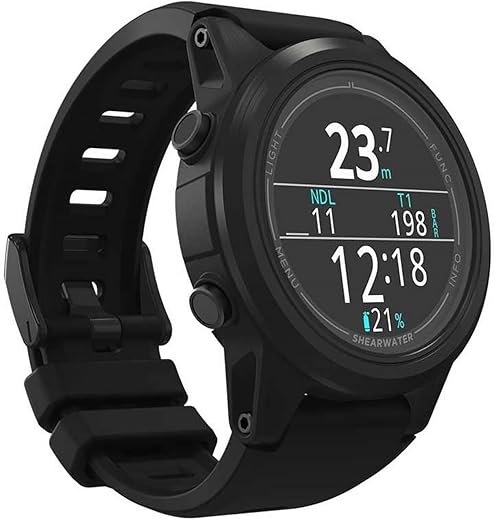
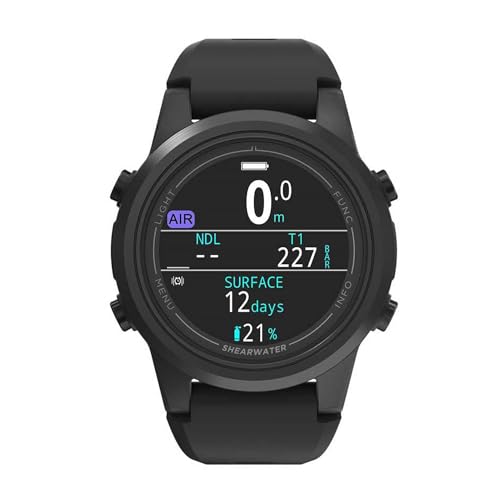
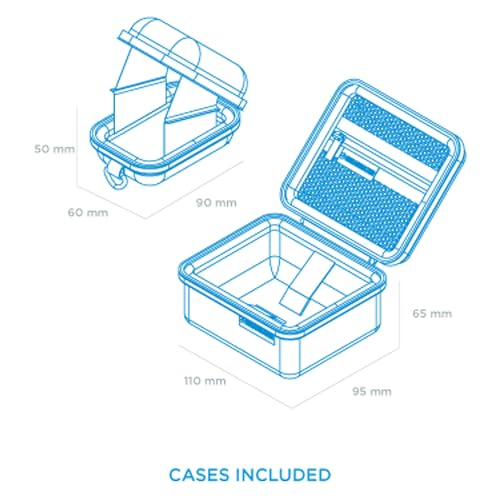
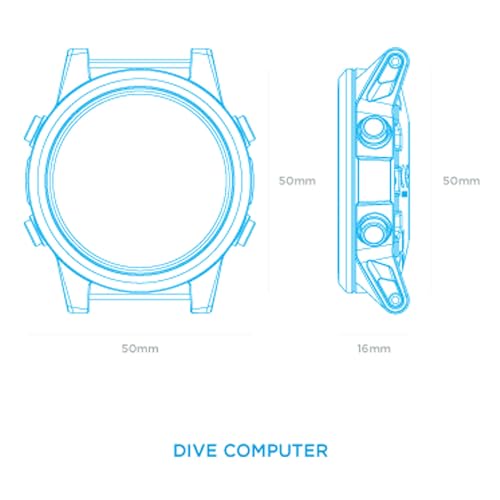
Shearwater Tern TX
$805.00
Open full product pageShearwater reliability meets watch-style convenience with brilliant AMOLED display and wireless air integration.
00 -
 ×
×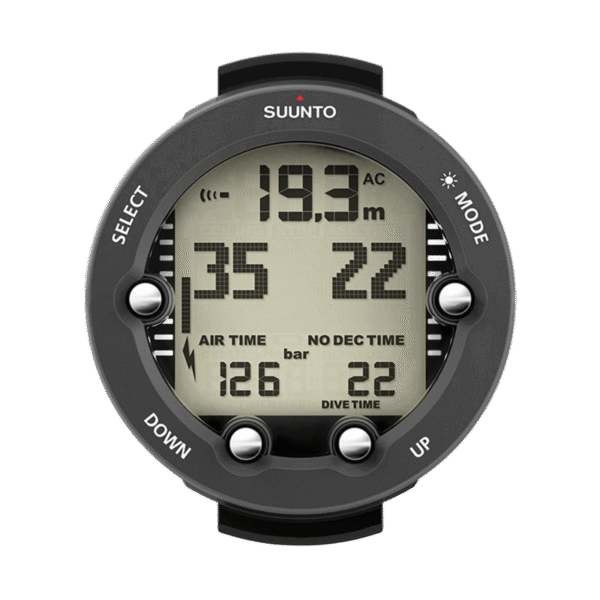


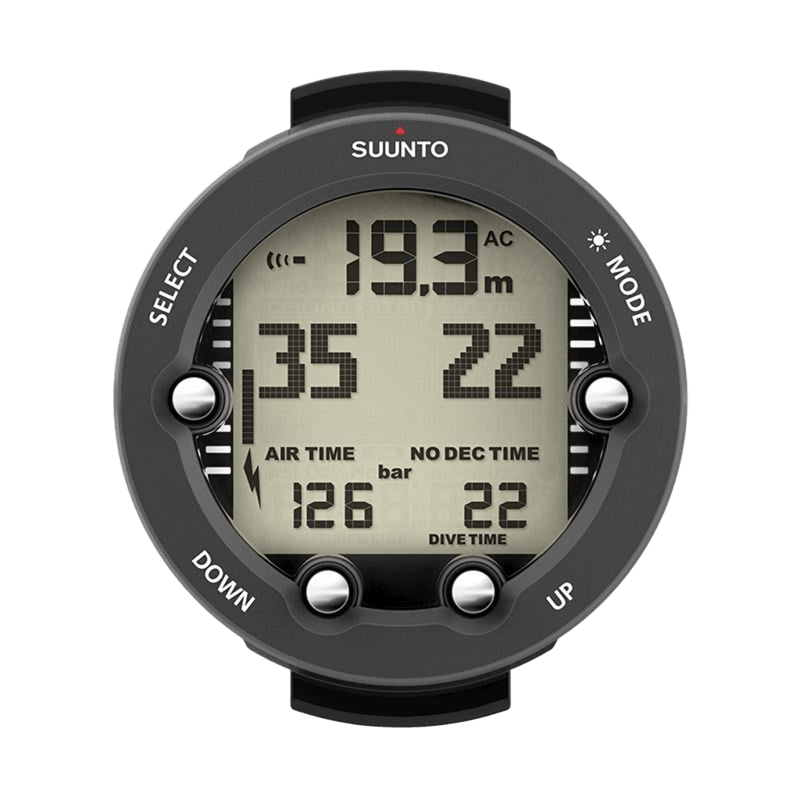
Suunto Vyper Novo
$359.00
Open full product pageMid-range recreational computer with air integration, compass, and multi-gas capability for growing divers.
00 -
 ×
×


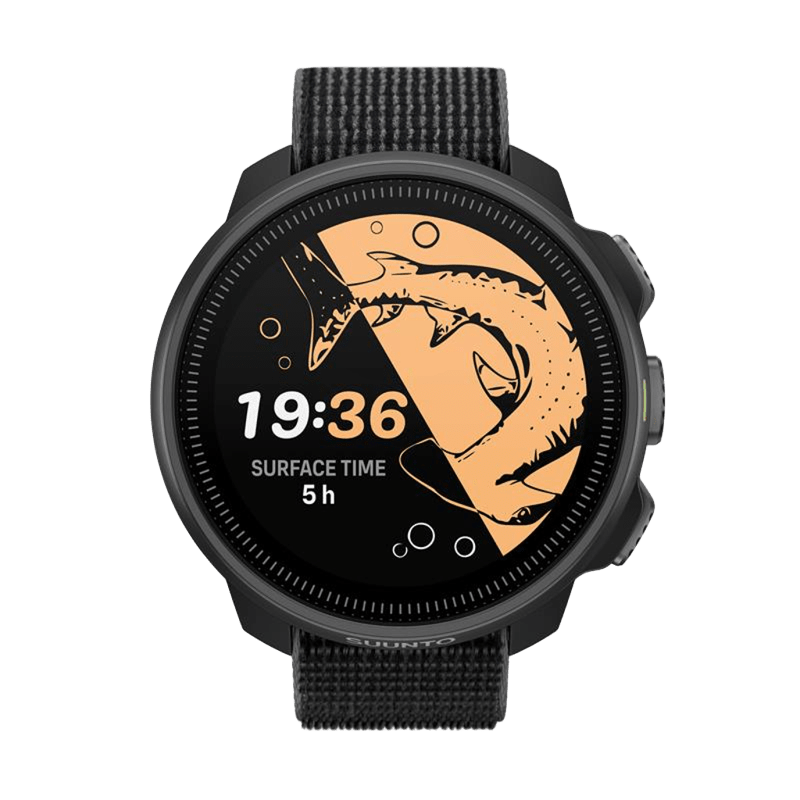
Suunto Nautic S
$549.00
Compact technical dive computer with brilliant AMOLED display and exceptional value for dedicated divers.
Out of stock
Open full product page00 -
 ×
×


Suunto Nautic
$729.00
Open full product pageProfessional-grade technical dive computer with brilliant AMOLED display and exceptional battery life.
00
Latest Revies








Reviews
There are no reviews yet.