


0
0
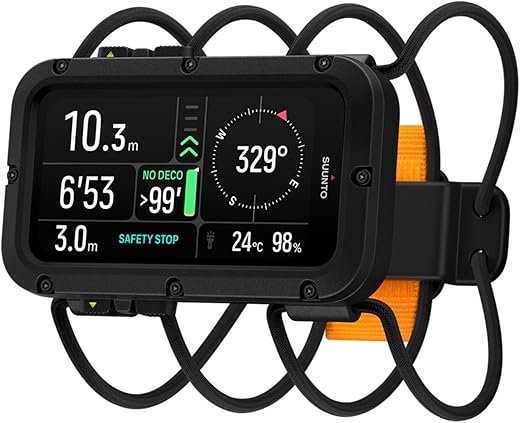
Suunto Nautic
Professional-grade technical dive computer with brilliant AMOLED display and exceptional battery life.
Pros
Exceptional 120-hour battery life, Massive 3.26-inch AMOLED display
Cons
Brand new model lacks long-term reliability track record, Large size may be too bulky for some divers
Compare Prices

SUUNTO Nautic Dive Computer with Bungee Cord, Bright AMOLED Display, Integrated LED Flashlight, Up to 120H, GPS & Underwater Route Tracking, Wireless Tank...
Amazon.com

* We earn a small commission on your purchase without increasing the price.
Suunto Nautic Review
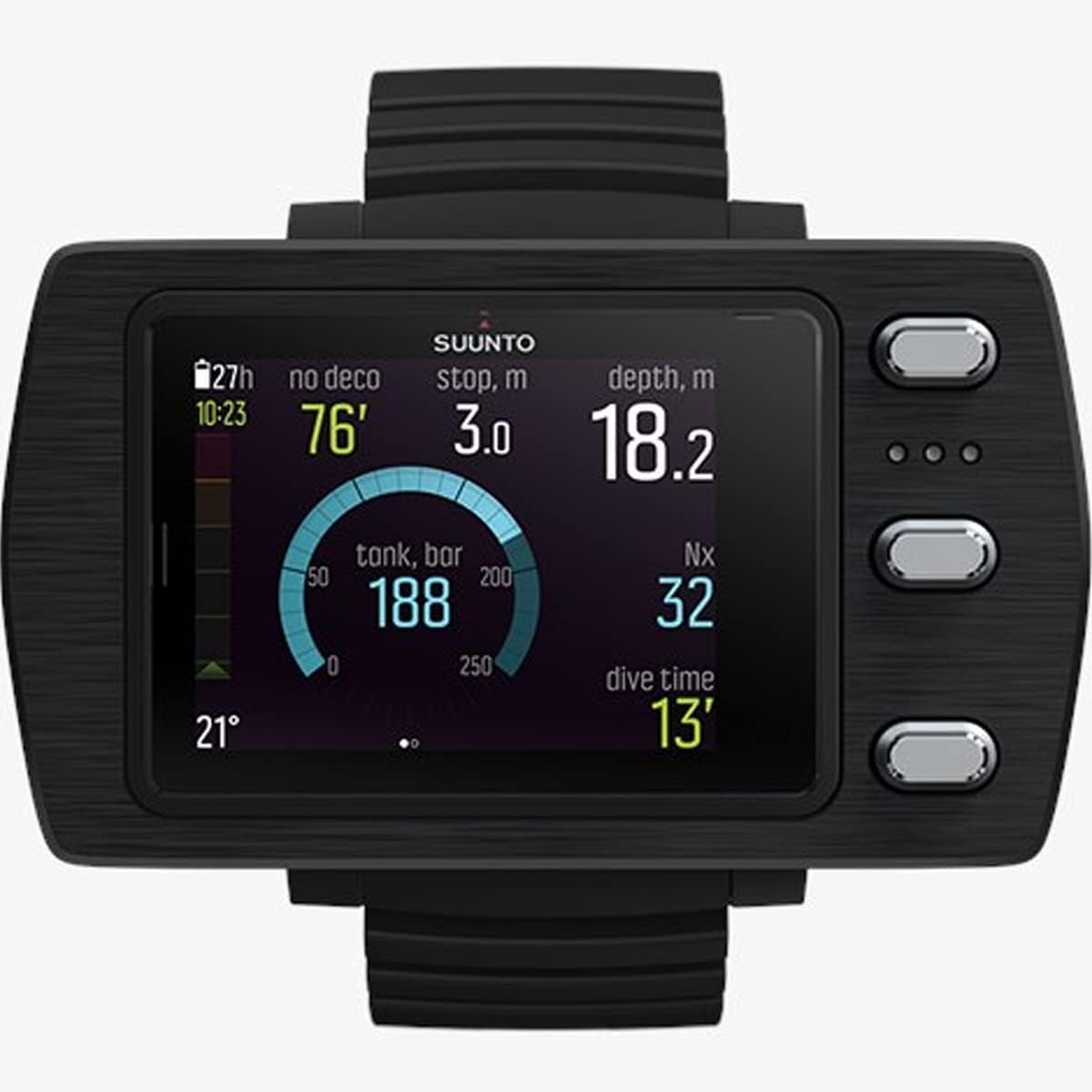
The Suunto Nautic is built for dive professionals and dedicated technical divers who spend serious time underwater. After seeing this computer in action on liveaboard trips and chatting with several tech instructors who’ve adopted it, I can say it’s making waves in the technical diving community. The standout features are the massive AMOLED display, exceptional battery life, and the Bühlmann 16 GF algorithm that finally gives Suunto users the flexibility many have been asking for. This is Suunto’s answer to divers who want a professional-grade wrist-mounted computer without compromising on screen size or features.
What You’re Getting
The Nautic comes with a 3.26-inch AMOLED display that’s genuinely massive for a wrist-mounted computer. The package includes a USB charging cable, protective boot, display scratch guard, and your choice of either a bungee cord mount or elastic textile strap. Price sits around $700-750 USD, which positions it competitively against the Shearwater Perdix and similar technical computers. The computer is rated to 200 meters depth and delivers up to 120 hours of dive time on a single charge at medium brightness. It supports up to five gases including trimix, has wireless tank pressure integration with the Suunto Tank POD, and includes GPS with offline maps for dive site tracking. The unit weighs 227 grams and measures less than 2.4 cm in height, making it surprisingly compact considering that large screen.
Real-World Performance
Display and Interface
The AMOLED screen is the first thing everyone mentions about this computer. It’s bright, vibrant, and readable in all conditions. I’ve heard from dive instructors working in both murky quarries and bright tropical waters that visibility is never an issue. The color-coded warnings are particularly effective, with mandatory warnings appearing in red with both audio and vibration alerts. The interface uses three tactile buttons that work perfectly even with thick dryglove liners, which several tech divers specifically praised.
Battery Life
The 120-hour battery life at medium brightness is impressive for a computer with this size display. One liveaboard instructor I spoke with mentioned doing a full week of diving, four dives per day, without needing to recharge. At full brightness, you’re looking at around 80 hours, which is still excellent. For typical dive trips with one dive per week, Suunto claims up to nine months on a single charge. The rechargeable battery means no fumbling with replacements, though it does require you to remember the charging cable.
Bühlmann 16 GF Algorithm
This is huge for Suunto. The Nautic runs Bühlmann 16 with Gradient Factors, moving away from their proprietary RGBM algorithm that drew criticism in technical circles. You get full control over your gradient factors, with preset options for conservative (35/75), medium (40/85), or less conservative (45/95) profiles, plus the ability to customize. Many pros report this makes team coordination much easier since Bühlmann is the standard in technical diving. The computer also displays GF99 and SurfGF in real-time, which technical divers appreciate for managing their ascent profiles.
Multi-Gas and Sidemount Support
The Nautic handles up to five gases including trimix, with full decompression planning built in. For sidemount divers, it can display pressure from two Tank PODs simultaneously with switch alerts, which sidemount instructors tell me works smoothly. The wireless tank pressure integration is reliable, though like any wireless system, you need to keep the PODs within range and make sure your tank is open. The color-coded display makes it immediately obvious which tank you’re breathing from.
GPS and Navigation Tools
The built-in GPS with offline maps is a nice addition that sets this apart from most technical computers. You can track your dive sites, mark entry points, and review your underwater route in the Suunto App afterward. The digital compass works well underwater with tilt compensation. Plus, there’s an integrated LED flashlight, which seems gimmicky at first but several night diving instructors mentioned it’s actually quite handy for checking gauges or signaling.
How It Stacks Up
At around $700-750, the Nautic competes directly with the Shearwater Perdix ($850-950) and sits well above recreational computers like the Suunto Ocean ($1,100 but includes sports features). Compared to the Perdix, you’re getting a significantly larger and brighter AMOLED screen versus the Perdix’s LED backlit display. The Nautic also offers longer battery life and includes GPS and offline maps, which the Perdix lacks. However, Shearwater has the reputation and the longer track record in technical diving. The Suunto EON Steel Black ($900-1,000), Suunto’s other tech computer, uses the older RGBM algorithm and doesn’t have the Nautic’s battery life or GPS features. For divers who want the absolute biggest screen and longest battery in a technical computer, the Nautic is hard to beat on features alone.
Our Take
The Nautic’s biggest strengths are that stunning AMOLED display and the shift to Bühlmann 16 GF, which addresses longstanding concerns about Suunto’s algorithms. The 120-hour battery life means you genuinely don’t worry about charging during normal dive trips. The integrated GPS and offline maps are genuinely useful for logging dive sites. On the downside, this is a brand new model, so the long-term reliability track record isn’t there yet. The size might be too large for some divers who prefer a more compact wrist computer. And while Suunto has improved, their customer service reputation still lags behind Shearwater in the technical diving community.
Final Recommendation
Buy the Suunto Nautic if you want a large, incredibly readable display and exceptional battery life in a technical dive computer. It’s ideal for technical divers, cave divers, wreck penetration divers, and dive professionals who do multiple dives per day. The Bühlmann 16 GF algorithm makes it suitable for team diving with mixed computer brands. The GPS and offline maps are particularly valuable for dive instructors and guides who want to track and share dive sites. Skip it if you prefer a more compact wrist computer or if you’re primarily a recreational diver who doesn’t need trimix support; the Suunto Ocean would be a better value with its sports watch features. Also consider alternatives if brand reputation and established service network are top priorities, as Shearwater still holds that edge in the technical community.
| General Specifications | ||||||||||||||||||||||||||||||
|---|---|---|---|---|---|---|---|---|---|---|---|---|---|---|---|---|---|---|---|---|---|---|---|---|---|---|---|---|---|---|
|
||||||||||||||||||||||||||||||
| Computer Specifications | ||||||||||||||||||||||||||||||
|
||||||||||||||||||||||||||||||
| Pros and Cons | ||||||||||||||||||||||||||||||
|
||||||||||||||||||||||||||||||
Related Products
-
 ×
×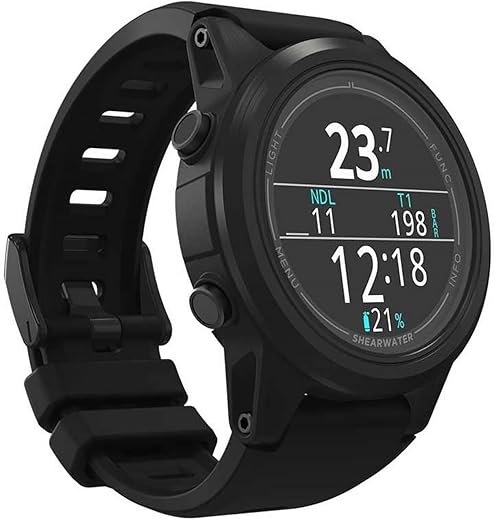
Shearwater Tern TX
$805.00
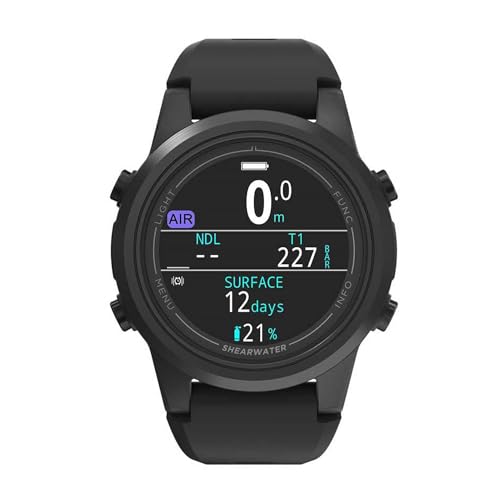
Open full product pageShearwater reliability meets watch-style convenience with brilliant AMOLED display and wireless air integration.
00 -
 ×
×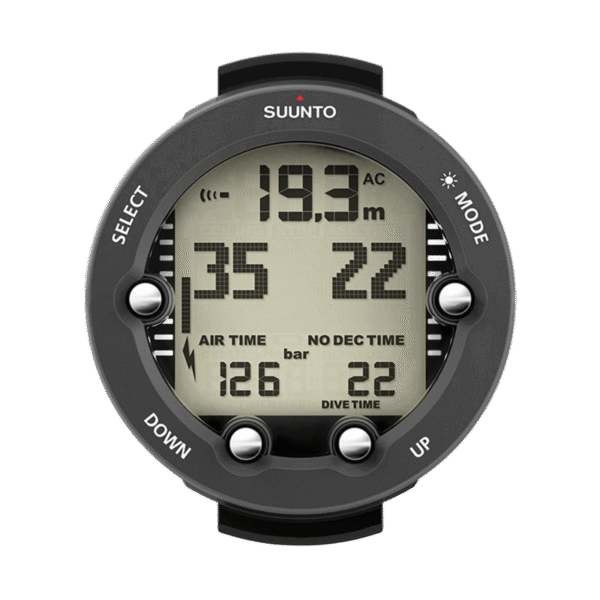


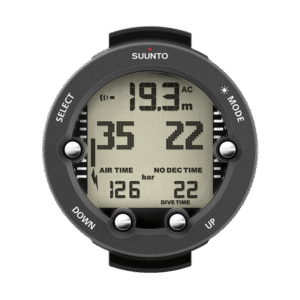
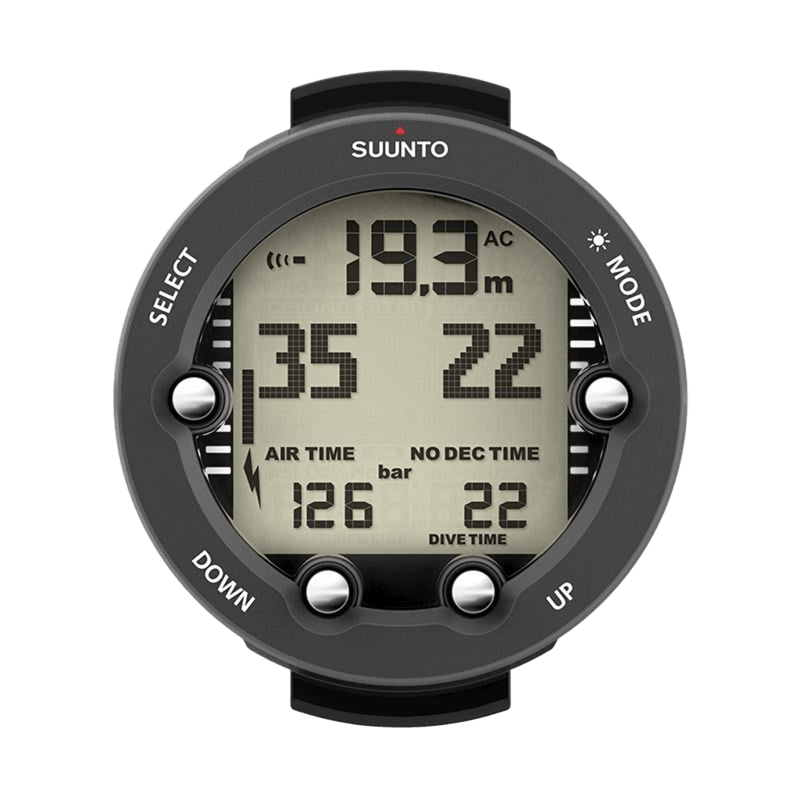
Suunto Vyper Novo
$359.00
Open full product pageMid-range recreational computer with air integration, compass, and multi-gas capability for growing divers.
00 -
 ×
×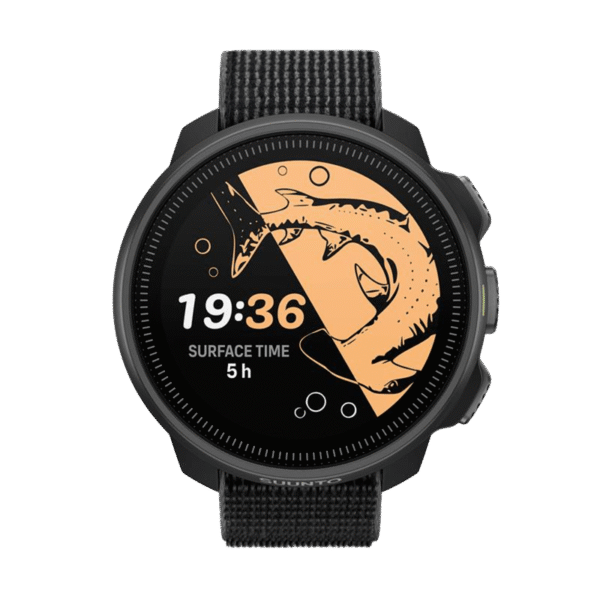


Suunto Nautic S
$549.00
Compact technical dive computer with brilliant AMOLED display and exceptional value for dedicated divers.
Out of stock
Open full product page00 -
 ×
×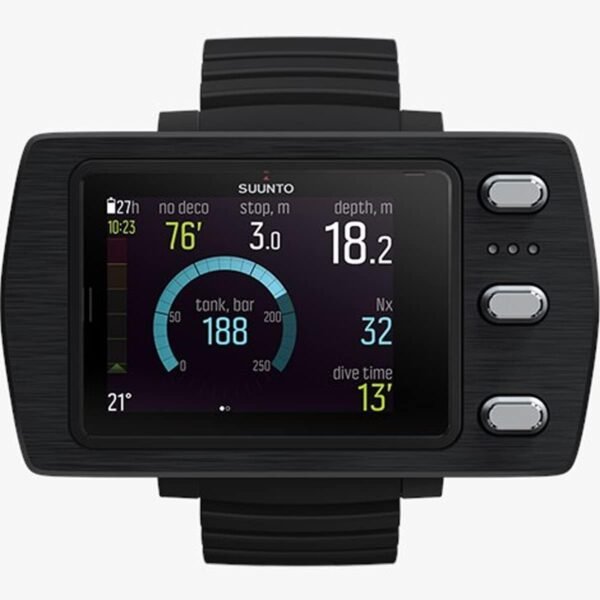


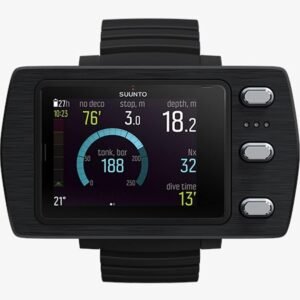
Suunto EON Steel
$1,182.42
Premium technical computer with stunning color display and robust construction, held back by conservative algorithm.
Out of stock
Open full product page10
Latest Revies








Reviews
There are no reviews yet.