


Compare Prices


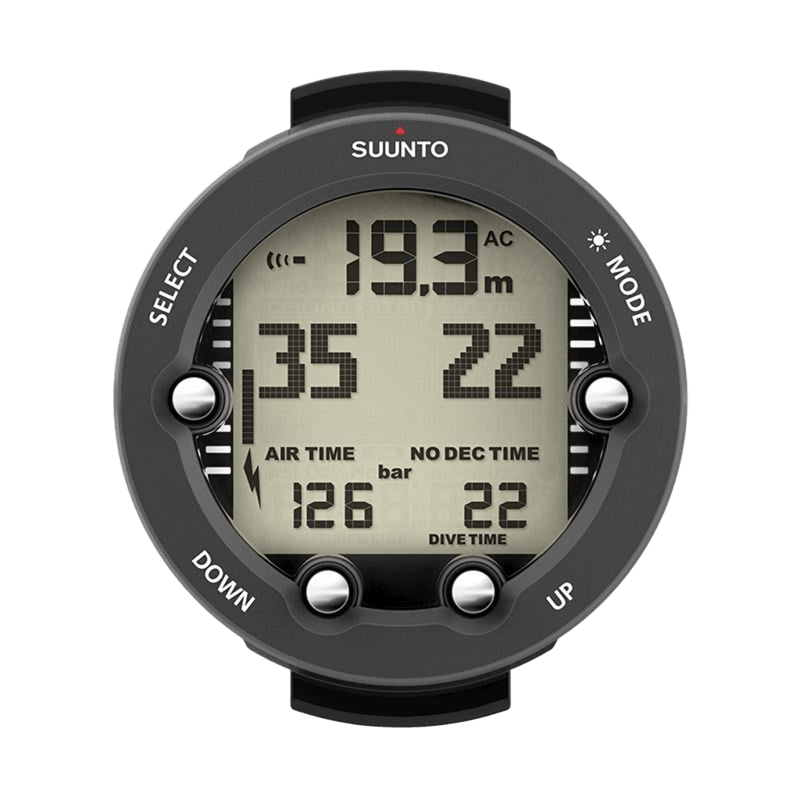
Suunto Vyper Novo Wrist Top Air Nitrox Scuba Diving Compute - Graphite WITH boot and USB
Houseofscuba.com

* We earn a small commission on your purchase without increasing the price.
Suunto Vyper Novo Review
The Suunto Vyper Novo is the sweet spot computer for recreational divers ready to grow beyond the basics. I’ve watched plenty of Advanced Open Water students and newer divemasters pick up this computer as their second or third dive computer, and it makes sense. It offers wireless air integration, a built-in compass, and three-gas switching without the complexity or price tag of technical computers. For divers who want room to expand their skills, whether that’s nitrox, deeper recreational diving, or just having better gas management tools, the Vyper Novo delivers solid mid-range performance at a reasonable price.
What You’re Getting
The Vyper Novo comes with the computer itself, a display shield, warranty materials, quick guide, and a Suunto logo sticker. Price typically runs $450-550 USD for just the computer, or around $650-750 with a wireless Tank POD transmitter included. The computer weighs 134 grams and features a large matrix display with excellent contrast and readability. It’s rated to 80 meters depth and runs on a user-replaceable CR2450 battery that Suunto claims lasts about 1.5 years with typical use. You get five dive modes: air, nitrox, gauge, free, and off. The package includes both an elastomer strap and a bungee mount option, which is a nice touch. The USB cable for downloading dive logs is sold separately, which is a bit annoying given the price point.
How It Performs
Display and Interface
The enlarged matrix display is one of the best things about this computer. The digits are big, bold, and easy to read even in murky water or bright sunlight. Several dive instructors I know who are getting older mention they appreciate not having to squint at tiny numbers. The four-button interface is straightforward, though the metal buttons can be a bit hard on your thumbs during long surface intervals. Most divers end up buying the optional rubber boot that pads the buttons, and I’d recommend budgeting for that from the start. The backlight is decent, combining electro-luminescent and phosphor-luminescent technology that works well for night dives.
Wireless Air Integration
The wireless air integration with Suunto Tank PODs works reliably in my experience and from what other instructors report. You get real-time tank pressure and remaining air time calculations displayed on your wrist. The computer supports up to three transmitters, which is more than enough for recreational divers experimenting with gas switches. That said, I’ve heard occasional reports of connection drops, particularly if the transmitter isn’t positioned well or if you’re doing unusual body positions. It’s not a dealbreaker, but it’s worth noting that wireless systems aren’t 100% bulletproof.
Built-In Compass
The integrated tilt-compensated 3D digital compass is a genuinely useful feature that sets the Vyper Novo apart from entry-level computers. It gives accurate readings even when the computer isn’t perfectly level, which is helpful when you’re actually navigating underwater rather than posing for photos. The compass display is clear and shows both degrees and cardinal directions. Many pros mention this eliminates the need to carry a separate compass, though some old-school divers still prefer having a backup analog compass on their console.
Algorithm and Conservatism
The Vyper Novo uses Suunto’s RGBM algorithm, which has a reputation for being conservative. This is the elephant in the room with Suunto computers. If you’re doing multiple deep dives per day on a liveaboard, you will likely get less bottom time than your buddies using computers with Bühlmann algorithms. You can adjust the conservatism between two levels and set personal adjustment factors, but it’s still going to be more conservative overall. Some divers appreciate the extra safety margin, especially newer divers or those who don’t dive frequently. Technical divers and experienced recreational divers doing aggressive dive profiles often find it frustrating. The computer will lock you out for 48 hours if you violate decompression obligations, which is standard but worth knowing.
Gas Switching and Modes
The three-gas nitrox capability is excellent for recreational divers exploring deeper profiles or wanting to extend bottom time. You can program mixes from 21% to 99% oxygen in 1% increments. The computer handles gas switches during the dive and will alert you when a better gas is available. The freediving mode with apnea timer is a nice bonus if you dabble in freediving, and the gauge mode works fine as a simple depth gauge and timer if you’re diving with tables or doing technical dives outside the computer’s recreational limits.
Battery and Logbook
The user-replaceable CR2450 battery is a plus. You can swap it yourself with a T-6 Torx screwdriver, though Suunto warns this might void your warranty. Most divers either do it themselves or have their local shop handle it during the regular service. Battery life of 1.5 years with typical recreational diving is solid. The logbook stores up to 140 hours of dive data at 20-second sampling intervals, which is plenty for most divers. You can review dive profiles directly on the computer or download them via USB cable to Suunto’s DM5 software or third-party options.
Stacking Up Against the Competition
At $450-550 for the computer alone or $650-750 with transmitter, the Vyper Novo sits in competitive mid-range territory. The Suunto Zoop Novo ($250-300) is the obvious budget alternative if you don’t need air integration or the compass, though you lose gas switching capability. The Suunto D5 ($700-850 with transmitter) offers a sleeker watch-style design with touchscreen but uses the same RGBM algorithm. For similar money, you could consider the Mares Quad Air or Cressi Giotto, both offering air integration with less conservative algorithms. The Shearwater Peregrine ($450) doesn’t have air integration but offers the highly-regarded Bühlmann algorithm that many experienced divers prefer. If conservative algorithms are a concern and you have the budget, the Shearwater Perdix ($850-950) with its Bühlmann ZHL-16C would be the step up, though you’d still need to add a transmitter.
Our Professional Take
The Vyper Novo’s strengths are clear: that excellent large display is genuinely easy to read, the wireless air integration works well for gas management, and the built-in compass eliminates extra gear. The three-gas nitrox capability gives you room to grow without needing to upgrade your computer. The user-replaceable battery and solid construction mean this computer can last for years. On the flip side, the conservative RGBM algorithm is a real limitation if you’re doing aggressive dive profiles or multiple deep dives per day. The lack of a USB cable in the box feels cheap given the price. And while the interface is simple, those hard metal buttons aren’t the most comfortable for extended use without the optional rubber boot.
Final Recommendation
Buy the Suunto Vyper Novo if you’re a recreational diver looking to expand your skills and want air integration, compass, and multi-gas capability without spending technical computer money. It’s ideal for divers progressing from Advanced Open Water into nitrox and deeper recreational diving. The computer works well for dive professionals who appreciate the conservative algorithm and don’t mind shorter no-stop times. It’s also a good choice for newer divers who dive infrequently and value the extra safety margin of conservative calculations. Skip it if you’re planning aggressive dive profiles, doing daily liveaboard diving, or if you strongly prefer less conservative algorithms; a Shearwater or similar Bühlmann-based computer would serve you better. Also pass if you want a computer that doubles as a daily watch, as the Vyper Novo is bulky and purely dive-focused. Budget-conscious divers who don’t need air integration should look at the Zoop Novo instead.
| General Specifications | ||||||||||||||||||||||||||||||
|---|---|---|---|---|---|---|---|---|---|---|---|---|---|---|---|---|---|---|---|---|---|---|---|---|---|---|---|---|---|---|
|
||||||||||||||||||||||||||||||
| Computer Specifications | ||||||||||||||||||||||||||||||
|
||||||||||||||||||||||||||||||
| Pros and Cons | ||||||||||||||||||||||||||||||
|
||||||||||||||||||||||||||||||
Related Products
-
 ×
×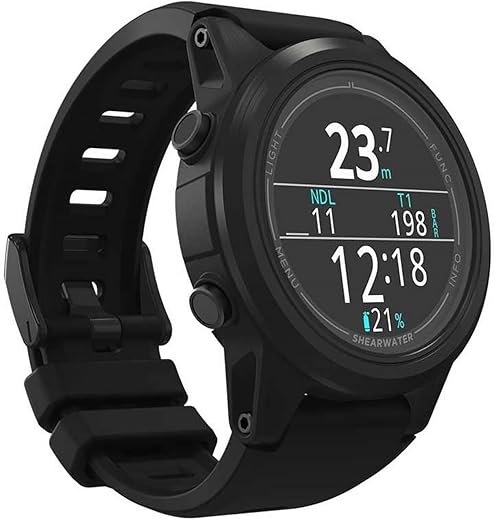
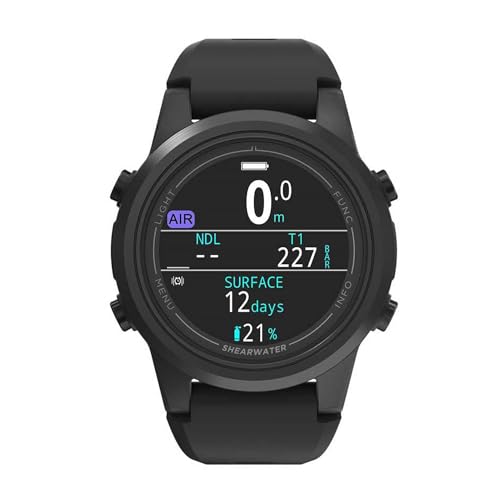
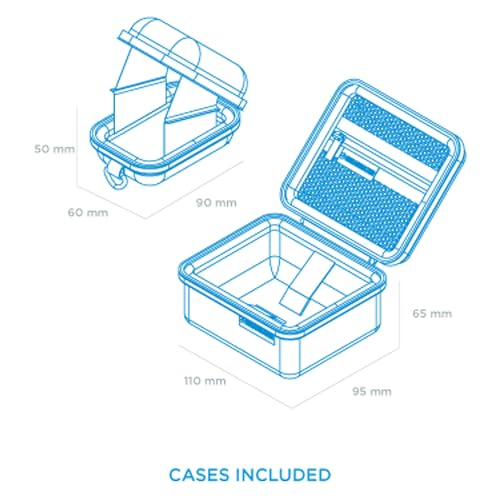
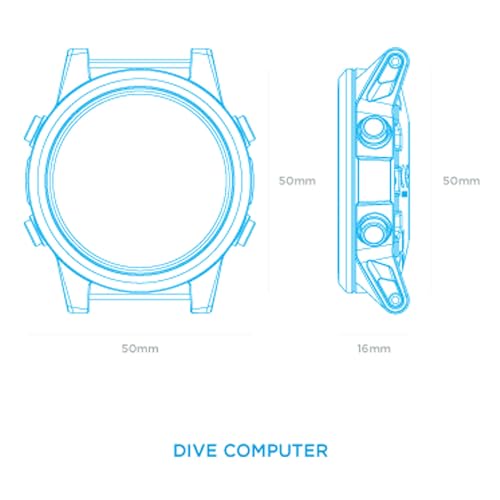
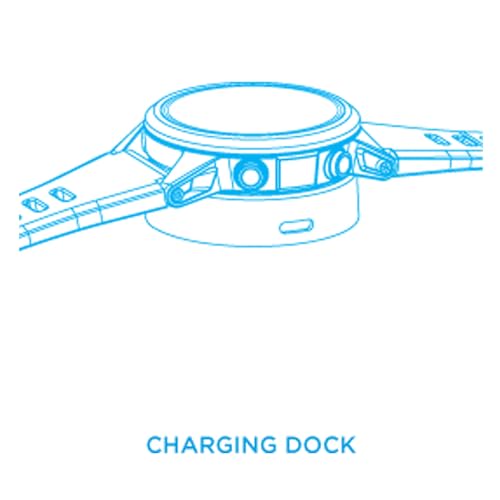
Shearwater Tern TX
$805.00
Open full product pageShearwater reliability meets watch-style convenience with brilliant AMOLED display and wireless air integration.
00 -
 ×
×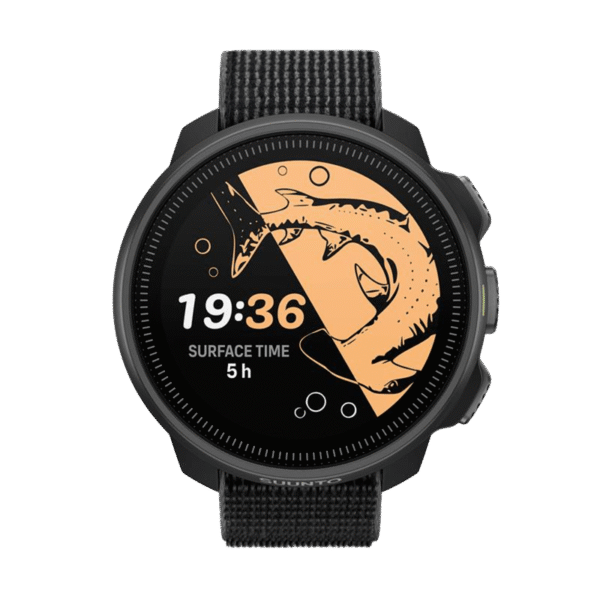


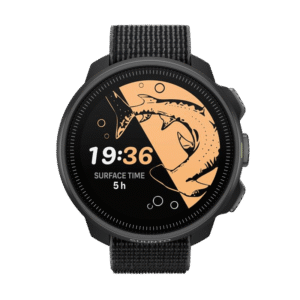
Suunto Nautic S
$549.00
Compact technical dive computer with brilliant AMOLED display and exceptional value for dedicated divers.
Out of stock
Open full product page00 -
 ×
×


Suunto Nautic
$729.00
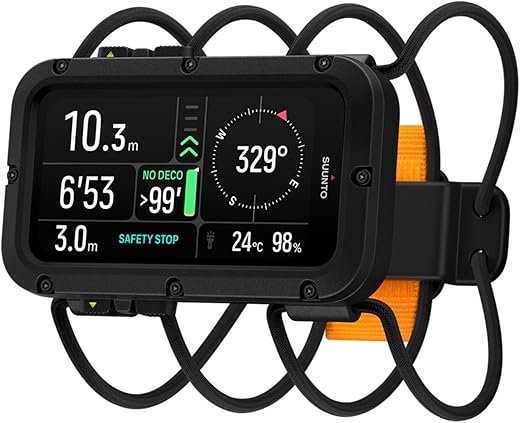
Open full product pageProfessional-grade technical dive computer with brilliant AMOLED display and exceptional battery life.
00 -
 ×
×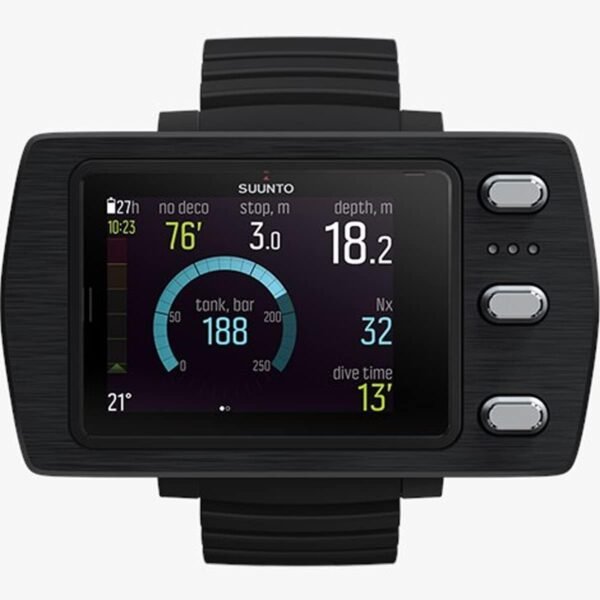


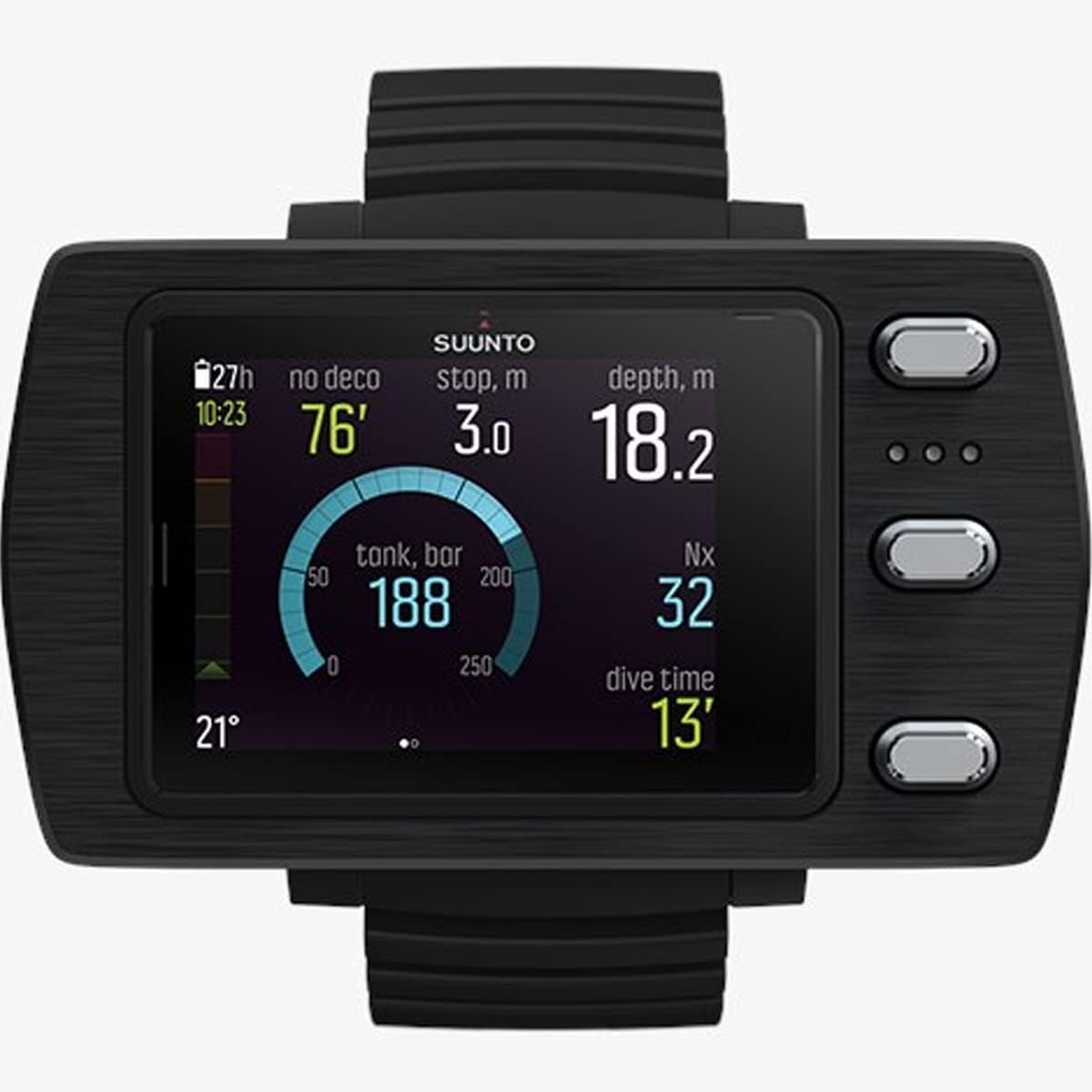
Suunto EON Steel
$1,182.42
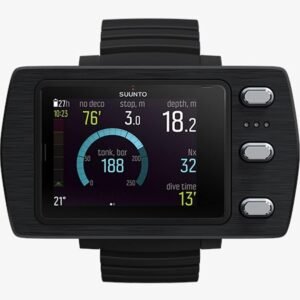
Premium technical computer with stunning color display and robust construction, held back by conservative algorithm.
Out of stock
Open full product page10
Latest Revies









Reviews
There are no reviews yet.