
0
0
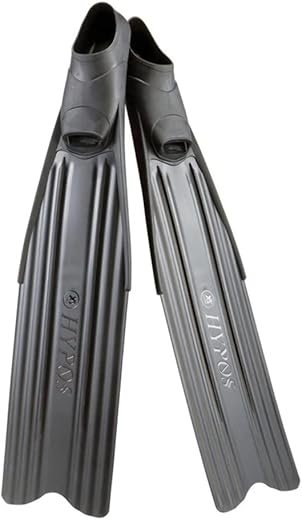
XS Scuba Hypos Long Blade Freediving Fins
Lightweight floating fins with channeled stability ideal for freediving beginners and students.
Pros
Integrated blade channels reduce lateral movement and improve tracking for developing technique, Lightweight at 760g, Positive buoyancy (floats) provides safety margin and easier surface swimming
Cons
No modular upgrade path, Plastic construction limits efficiency, Positive buoyancy requires trim adjustment for depth work which some divers find frustrating
Compare Prices


* We earn a small commission on your purchase without increasing the price.
XS Scuba Hypos Long Blade Freediving Fins Review
The XS Scuba Hypos targets novice to intermediate freedivers who want long blade performance at an entry-level price. These are plastic fins built to overcome the cost barrier posed by carbon fiber while still delivering efficient propulsion. I’ve recommended these to many first-time freediving students, and the feedback is consistently positive regarding value and ease of use. The main selling points are the lightweight construction that actually floats, and the channeled blade design that provides stability and tracking. This is a beginner-friendly option positioned for freedivers taking their first classes and building foundational skills.
Product Features
The blade uses flex-polymer material with integrated channels running the full blade length. The blade measures 90 cm long and 22 cm wide. The fishtail shape at the blade tip helps guide water flow. The foot pocket uses thermoplastic rubber (TPR) for comfort and fit. Complete fin weight is approximately 760 grams for size medium. The fins float, which distinguishes them from most freediving fins. Price ranges from $80 to $100 depending on retailer. Available in six sizes from 2XS to XL. The fins can be worn barefoot or with thin lycra, polyolefin, or neoprene socks. These fins work well for students taking first freediving courses and recreational divers learning proper technique.
Real-World Testing
Blade Stability and Tracking
The integrated channels along the blade length create noticeable stability improvement compared to smooth-blade fins. Several students report the channels reduce lateral movement during kicks, which helps maintain straight tracking. This matters for beginners who haven’t yet developed consistent finning form—the channels compensate for technique imperfections and help fins track properly. The fishtail tip design guides the fin through water without significant wobble. For learning proper freediving technique, this stability is genuinely helpful.
Buoyancy Characteristics
The positive buoyancy is unusual for freediving fins and generates mixed feedback. For surface swimming and snorkeling, the floating fins are easier to manage and less tiring. For depth work, the positive buoyancy requires minor trim adjustment—you’ll need slightly more weight to maintain neutral buoyancy during descents. Beginning students generally appreciate the floating characteristic because it makes the fins easier to handle at the surface. Advanced freedivers who prefer negative or neutral fin buoyancy may find this frustrating.
Foot Pocket Comfort
The TPR rubber foot pocket provides adequate comfort for most foot shapes. The material is soft enough to avoid pressure points but firm enough to transfer power efficiently. Common feedback is that the pocket works well barefoot for warm water diving. With thin socks, the fit remains comfortable without becoming sloppy. Sizing runs reasonably true—most users report ordering their normal size works fine. The pocket isn’t as refined as premium fins but delivers appropriate comfort for the price point.
Efficiency and Performance Limits
These fins perform well for recreational freediving up to approximately 20 meters. The flex-polymer blade provides adequate propulsion for beginners and intermediate divers building skills. Beyond that depth or for more experienced divers, the performance limitations become apparent—the plastic construction doesn’t deliver the snap and efficiency of composite materials. For students working on technique during training sessions, the performance is appropriate. For advancing divers ready to push deeper, these fins will feel limiting.
Weight and Travel
At 760 grams for medium size, these are light fins that travel easily. The floating characteristic makes them safe to use in open water without worrying about losing them. For traveling freedivers who want simple, affordable fins that won’t stress baggage weight limits, these work well.
Competitive Position
Against the Mares Concorde at $100, the Hypos cost similarly but offer floating buoyancy which some divers prefer. The Concorde has parabolic flex design that feels slightly more refined. The Bare Predator at $70 costs less but uses basic blade design without channels. The OMER Stingray EVO at $110 provides modular upgrade path which the Hypos lack. The Oceanic Predator at $135 offers similar entry-level performance with different styling. The Hypos’ main advantage is the combination of channeled stability and floating buoyancy at accessible pricing.
Assessment
The strengths are the stability from channels and the floating buoyancy. The blade channels genuinely help beginners maintain tracking and develop proper technique. The floating characteristic makes surface work easier and provides safety margin. The limitations are the performance ceiling and lack of upgrade options. The plastic construction won’t satisfy advancing divers who need better efficiency. There’s no modular system for later upgrades. For first-time freediving students and recreational divers learning basics, these deliver appropriate performance at beginner-friendly pricing.
Purchase Recommendation
Buy the XS Scuba Hypos if you’re a novice freediver taking your first courses and want affordable fins that help you learn proper technique. They’re a practical choice for students who appreciate the stability from blade channels and the safety of floating fins. The lightweight construction makes them suitable for travel and casual diving. Skip them if you’re already an intermediate freediver planning to advance quickly—you’ll outgrow these fins and want composite materials. Also skip if you strongly prefer negative or neutral buoyancy fins. Better alternatives for committed freedivers include the OMER Stingray EVO with modular upgrades or the Mares Razor Pro. For pure beginners on minimal budget, the Bare Predator costs less though with reduced features.
| General Specifications | ||||||||||||
|---|---|---|---|---|---|---|---|---|---|---|---|---|
|
||||||||||||
| Fin Specifications | ||||||||||||
|
||||||||||||
| Pros and Cons | ||||||||||||
|
||||||||||||
Related Products
-
 ×
×
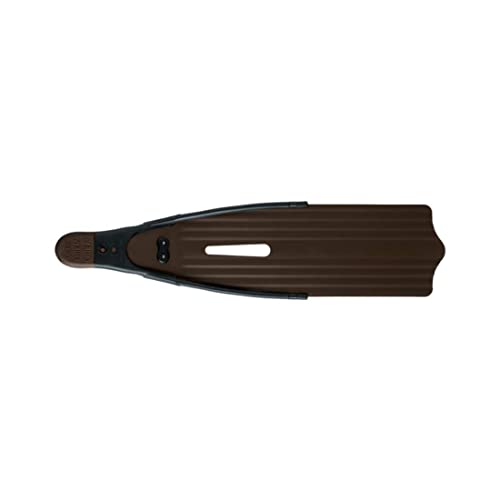
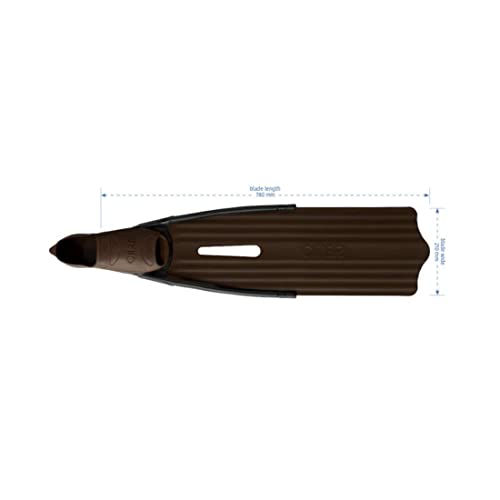
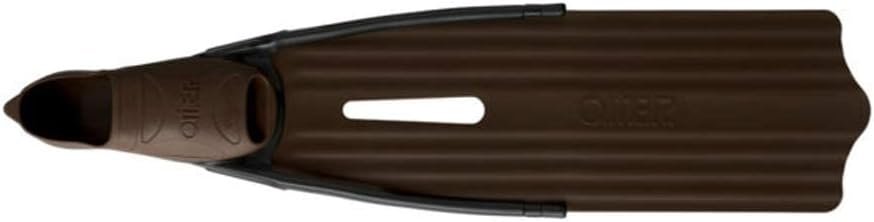
OMER Stingray EVO Long Blade Freediving Fins
$111.75
Open full product pageVersatile plastic fins with wide blade thrust and modular upgrade path to composite.
00 -
 ×
×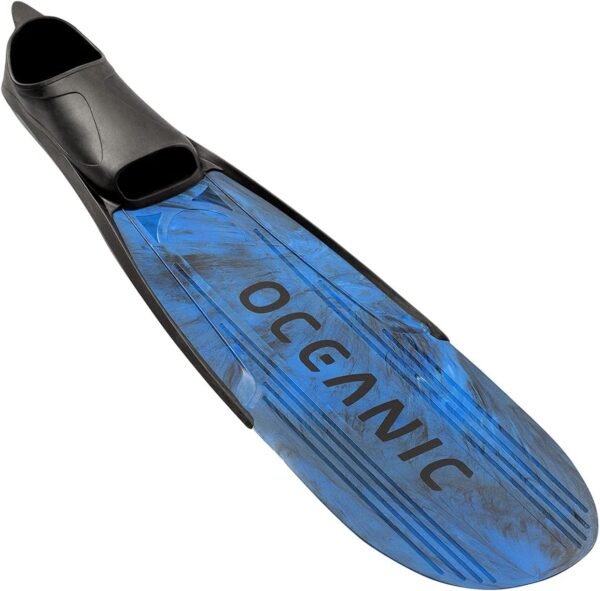
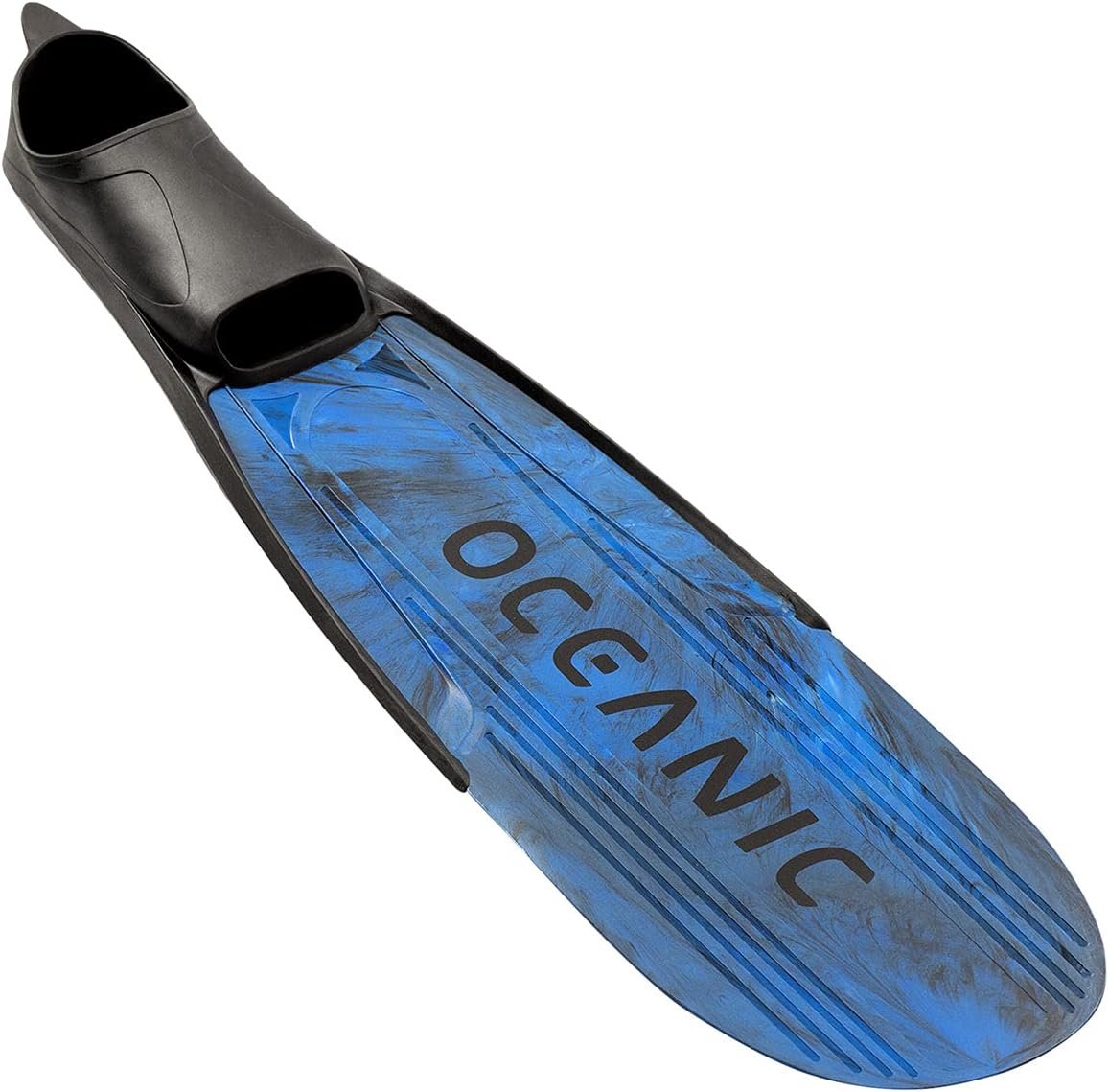
Oceanic Predator Freediving Fins
$134.95
Open full product pageDurable entry-level fins with ribbed blade and convenient heel tab for beginner freedivers.
00 -
 ×
×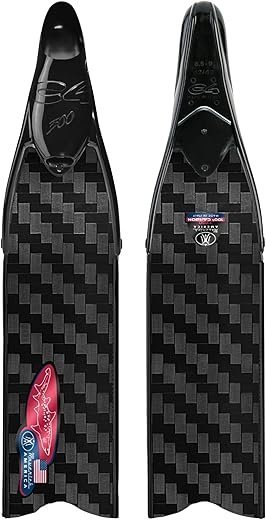
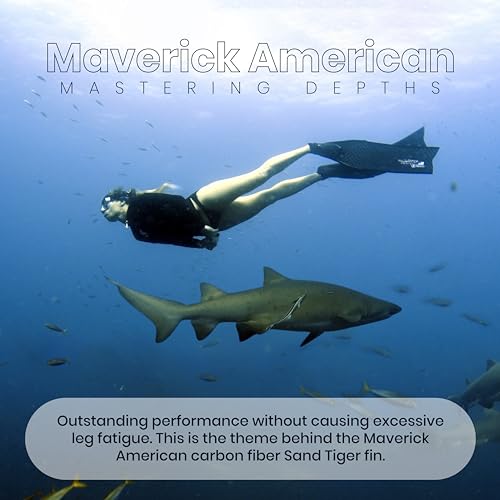
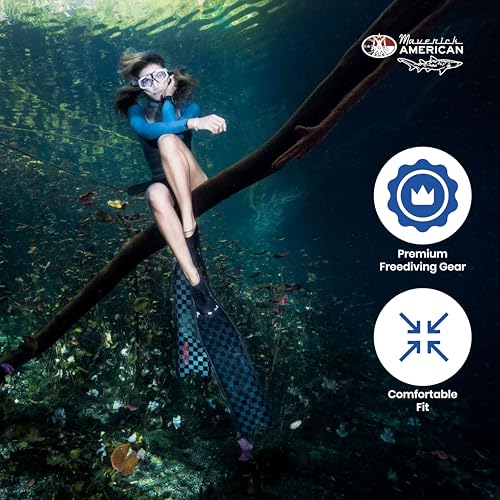
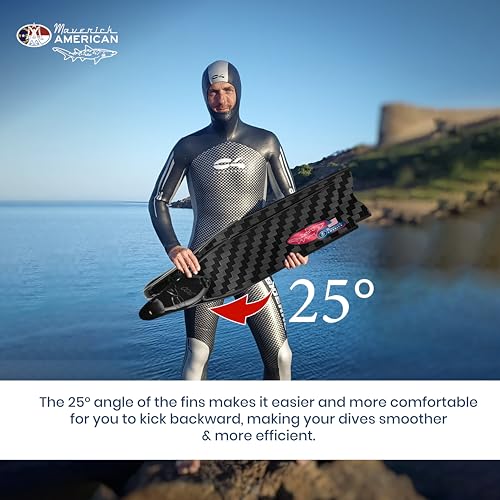
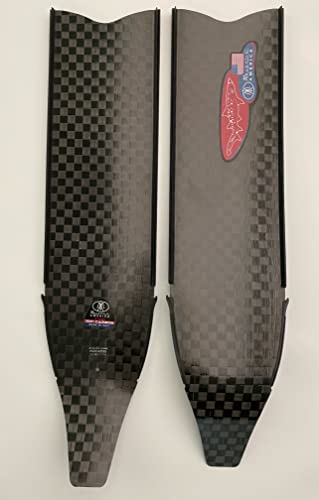
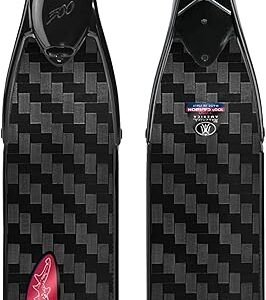
Maverick America DJ Sand Tiger Carbon Freediving Fins
$336.71
Open full product pageLightweight carbon fins with parabolic blade design optimized for spearfishing maneuverability.
00 -
 ×
×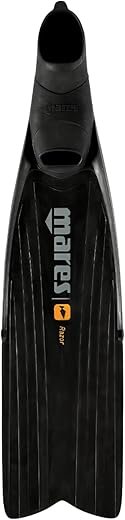


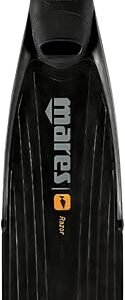
Mares Razor Pro Freediving Fins
$138.95
Open full product pageComfortable modular plastic fins with upgrade path to composite blades for growing freedivers.
00
Latest Revies







Reviews
There are no reviews yet.