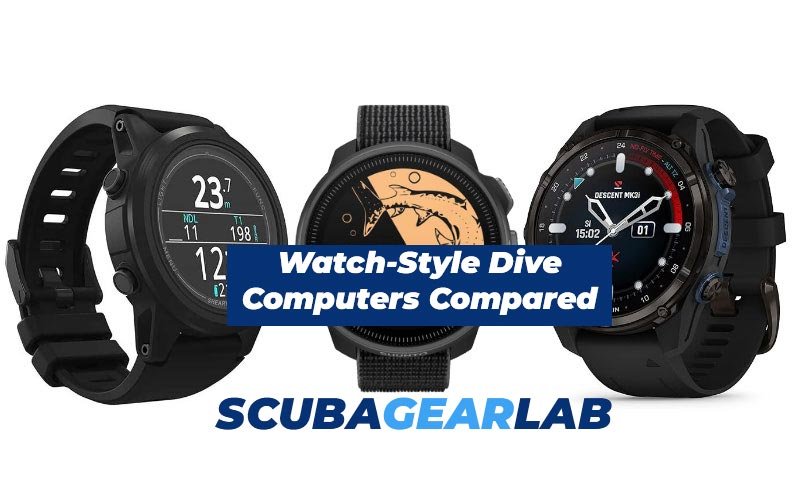
If you’re shopping for a watch-style dive computer with wireless air integration, you’re probably looking at three computers that keep popping up in every discussion: the Shearwater Tern TX, the Suunto Nautic S, and the Garmin Descent Mk3i. All three are solid mid-range to premium options with AMOLED displays, wireless tank pressure monitoring, and enough features to handle everything from vacation diving to light technical work. The question isn’t whether these are good computers—they all are—but which one fits your diving style, budget, and priorities. After talking with dive professionals, reading through forum discussions, and looking at what divers actually say about these computers in real-world use, here’s how they stack up.
-
 ×
×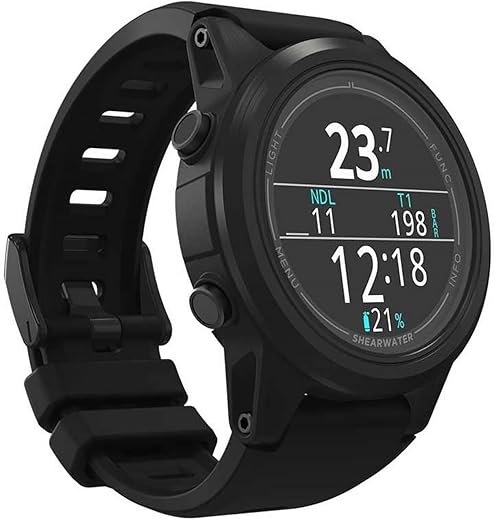
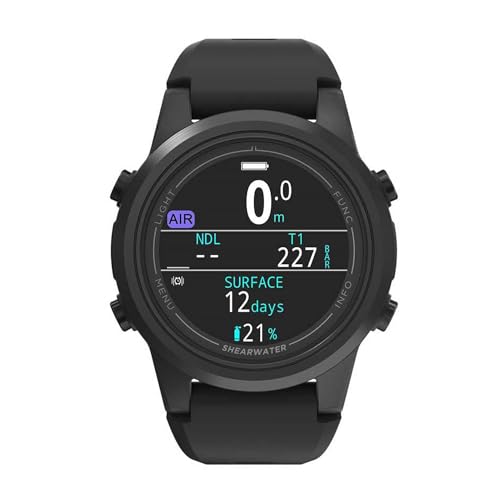
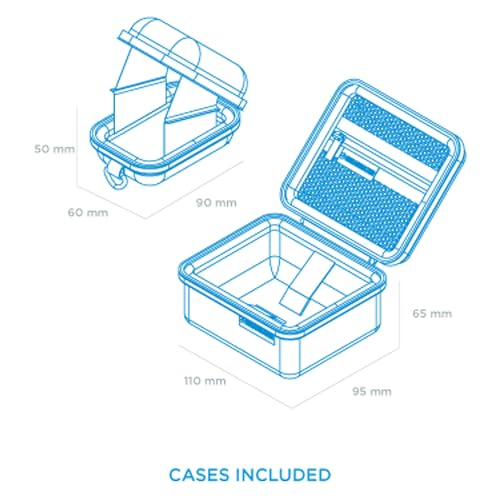
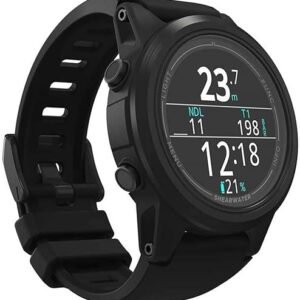
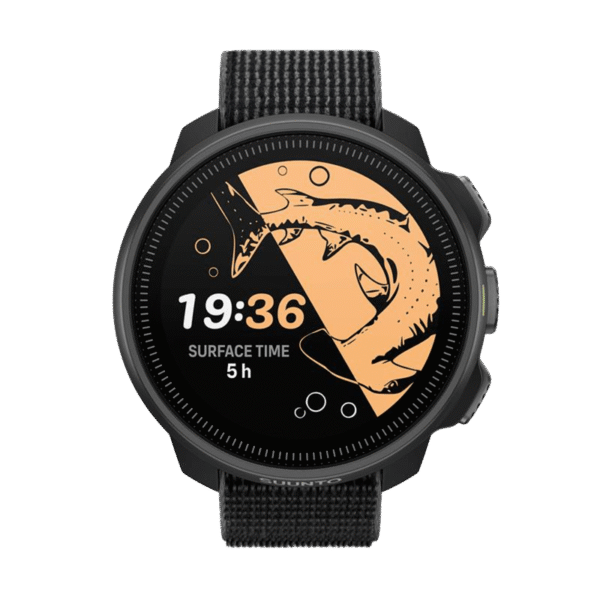
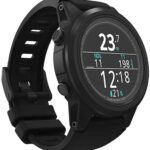
Shearwater Tern TX
$805.00
Open full product pageShearwater reliability meets watch-style convenience with brilliant AMOLED display and wireless air integration.
00 -
 ×
×


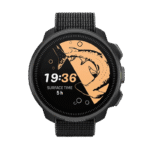
Suunto Nautic S
$549.00
Compact technical dive computer with brilliant AMOLED display and exceptional value for dedicated divers.
Out of stock
Open full product page00 -
 ×
×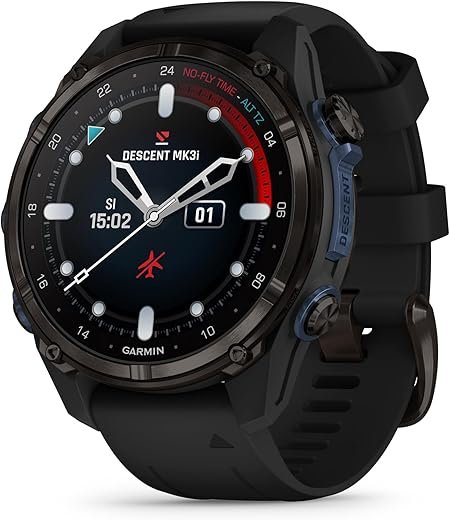
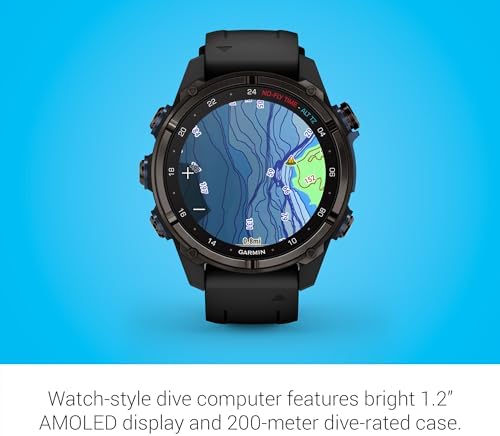

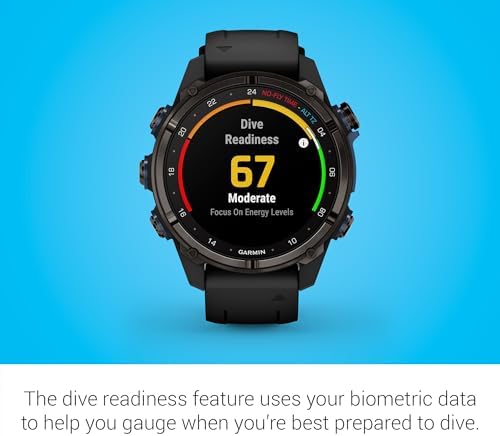

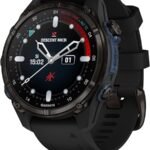
Garmin Descent Mk3i 43mm
$1,399.99
Open full product pagePremium dive computer with brilliant AMOLED screen and comprehensive smartwatch features for serious divers
00
The Basics: What You’re Comparing
The Shearwater Tern TX sits at around $775 USD and positions itself as a dedicated dive computer in watch form. It features a 1.3-inch AMOLED display, supports up to four wireless transmitters, includes a digital compass, and handles recreational through light technical diving with its 3 Gas Nitrox mode. The computer is depth-rated to 120 meters and weighs 100 grams. Battery life delivers about 20 hours of dive time per charge.
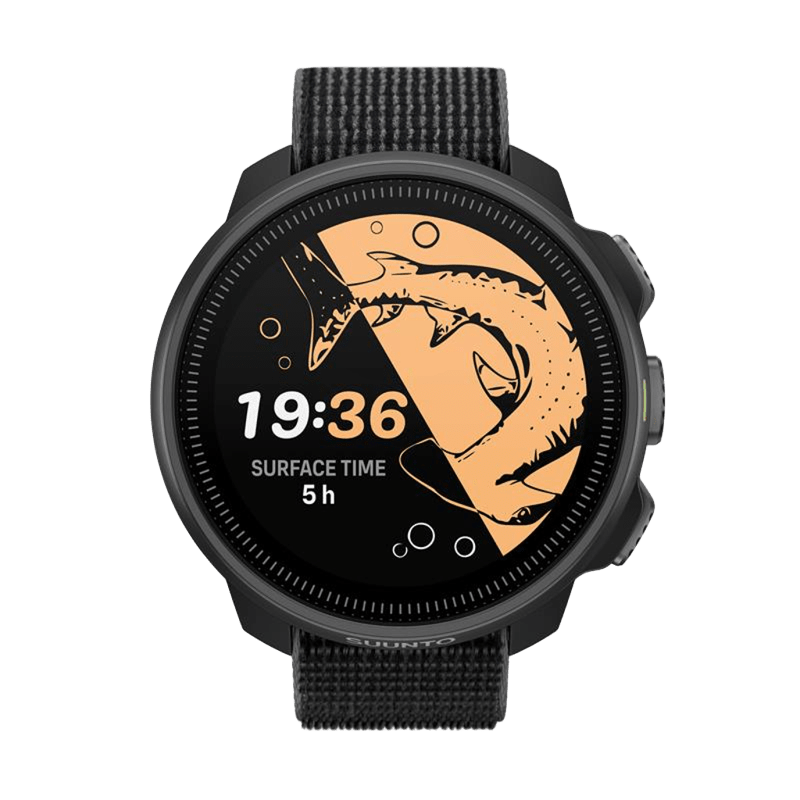
The Suunto Nautic S is the newest entry, launched in December 2024 at $499 USD. It’s Suunto’s compact dive-focused computer with a 1.4-inch AMOLED display, sapphire crystal lens, and support for up to five wireless transmitters via the Suunto Tank POD. The computer is rated for dives up to 80 meters and offers up to 60 hours of dive time on a single charge. It includes GPS, offline maps, and weather data for dive planning, plus a digital compass for underwater navigation.
The Garmin Descent Mk3i comes in two sizes—43mm at $1,399 USD and 51mm at $1,599 USD—making it the most expensive option. Both feature AMOLED displays (1.2-inch for the 43mm, 1.4-inch for the 51mm), sapphire crystal lenses, and titanium bezels. The computer is depth-rated to 200 meters and offers up to 30 hours of dive time (43mm) or more (51mm). The standout feature is SubWave sonar technology, which enables diver-to-diver messaging and allows monitoring of tank pressure and depth for up to eight networked divers when paired with the Garmin Descent T2 transceiver. The 51mm version includes a built-in LED flashlight.
Display and Visibility
All three computers use AMOLED technology, which means vibrant colors and deep blacks that make information easy to read in various lighting conditions. The Suunto Nautic S has the largest screen at 1.4 inches, followed by the Garmin Mk3i 51mm also at 1.4 inches, then the 43mm Garmin at 1.2 inches, and the Shearwater Tern TX at 1.3 inches. In practical terms, the difference between 1.2 and 1.4 inches isn’t dramatic—all three are very readable underwater.
Where they differ is in screen protection. Both the Suunto and Garmin use sapphire crystal, which is more scratch-resistant than the Shearwater’s aluminosilicate glass. Divers report that the Shearwater screen holds up well with the included screen protector, but if you regularly dive in environments with hard surfaces—wrecks, caves, rocky entries—the sapphire crystal on the Suunto and Garmin offers better long-term durability.
The Garmin Mk3i 51mm adds a built-in LED flashlight with variable intensity and strobe modes, which can be useful for signaling or finding gear in low light. It’s a nice-to-have feature but not essential for most diving.
Interface and Ease of Use
The Shearwater Tern TX uses a four-button interface that dive instructors consistently praise for being intuitive. Each button’s function appears on screen, and the layout mirrors other Shearwater computers, so if you’ve used a Peregrine or Perdix, you’ll feel right at home. The menu structure is logical, and you can customize what information displays during dives.
The Suunto Nautic S also uses a button interface with customizable dive views. Suunto has improved their interface design significantly with this model, and early user feedback suggests it’s straightforward to navigate. The computer supports in-device customization of displays and alarms, which is convenient for divers who like to tweak settings between dives.
The Garmin Descent Mk3i uses five physical buttons plus a touchscreen. The buttons work at depth (200 meters), and you can use the touchscreen on the surface for faster navigation. This hybrid approach offers flexibility, though some divers find five buttons take more time to learn compared to the simpler four-button layouts. The Garmin interface is feature-dense, which makes sense given it’s also a full smartwatch with over 100 sports modes.
Air Integration and Wireless Features
The Shearwater Tern TX supports up to four Swift transmitters, which is ideal for sidemount diving or managing students. The pairing process is straightforward, and user reports consistently mention rock-solid connectivity with no dropouts. The Swift transmitters are relatively affordable compared to competitors.
The Suunto Nautic S supports up to five transmitters via the Suunto Tank POD. This gives it a slight edge in maximum transmitter count, though realistically, most recreational divers never need more than two. The Tank POD has a proven track record from the Suunto Ocean, and feedback indicates reliable performance.
The Garmin Descent Mk3i supports up to eight Descent T2 transceivers, but here’s the catch: the T2 is significantly more expensive at $499 USD per unit (compared to around $350 for Shearwater Swift and similar pricing for the Suunto Tank POD). However, the T2 offers unique capabilities. With SubWave sonar technology, you can send preset messages to other divers up to 30 meters away, and you can monitor tank pressure, depth, and distance for up to eight divers within 10 meters. This feature is genuinely innovative for dive schools, professional operations, or groups diving together, but it only works when everyone has compatible Garmin equipment.
Algorithms and Dive Modes
The Shearwater Tern TX uses the Bühlmann ZHL-16C algorithm with adjustable gradient factors. You can choose from three preset conservatism levels or set custom gradient factors. The computer supports Air, Nitrox, 3 Gas Nitrox (up to 100% oxygen), Gauge, and Freediving modes. This covers recreational diving and light technical work but doesn’t extend to trimix or CCR.
The Suunto Nautic S uses the Bühlmann 16 algorithm with adjustable gradient factors. It supports single-gas, multi-gas (up to five gases with oxygen up to 100%), sidemount, gauge, and freediving modes. The computer is depth-rated to 80 meters and can handle helium-based mixes, making it capable of more technical diving than the Shearwater Tern TX, though it stops short of full trimix capabilities found in the larger Suunto Nautic.
The Garmin Descent Mk3i also uses Bühlmann ZHL-16C with adjustable gradient factors. It supports single-gas, multi-gas (including nitrox and trimix), gauge, apnea, apnea hunt, and closed-circuit rebreather modes. With its 200-meter depth rating, this is the most technically capable computer of the three. The Mk3i also features a unique “Dive Readiness” tool that analyzes sleep, exercise, stress, and jet lag to provide a preparedness score—interesting, though most experienced divers know their own limits.
Battery Life and Charging
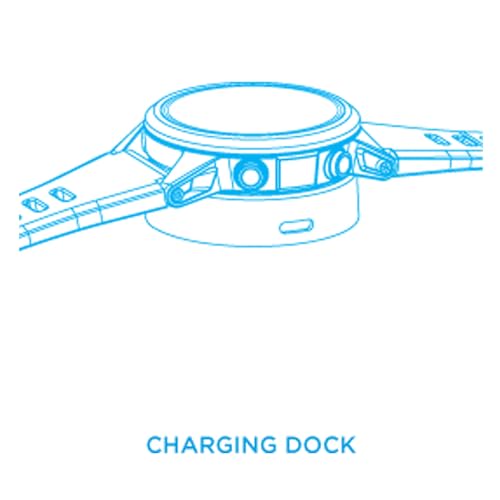
The Shearwater Tern TX delivers about 20 hours of dive time per charge, which easily covers a week of diving. The wireless charging pad is convenient—you just drop the computer on it and it clicks into place magnetically. The battery has proven reliable in user reports.
The Suunto Nautic S offers up to 60 hours of dive time on a single charge, which is exceptional. This is more than enough for extended liveaboards or remote dive trips without worrying about charging. The computer charges via cable rather than wireless charging.
The Garmin Descent Mk3i provides up to 30 hours in dive mode for the 43mm version, with longer battery life for the 51mm. In smartwatch mode, the Garmin lasts up to 10 days between charges. If you’re wearing the Garmin daily as your primary watch, this means weekly charging. If you’re only using it for diving, the battery lasts longer between dives.
Size, Weight, and Comfort
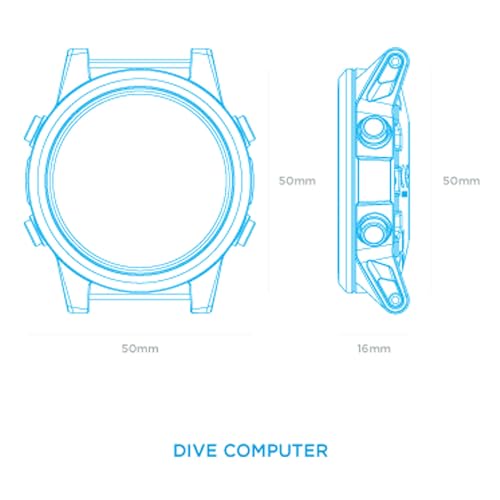
The Shearwater Tern TX measures 50mm diameter by 16mm thick and weighs 100 grams. It comes with quick-release silicone straps in two lengths, making it easy to switch between wetsuits and drysuits. The computer is comfortable for all-day wear, though it’s noticeably larger than typical everyday watches.
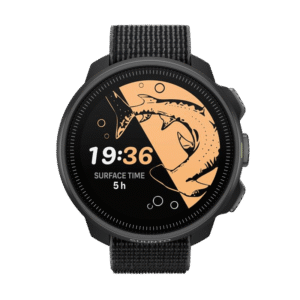
The Suunto Nautic S is the most compact option, with a new elastic textile strap designed for superior comfort and flexibility across different exposure suits. The graphite grey color gives it a more understated look compared to the others. Suunto designed this computer to be worn both underwater and in everyday life, and the compact size supports that goal.
The Garmin Descent Mk3i comes in two sizes: 43mm (1.7 x 1.7 x 0.56 inches) and 51mm. The 43mm version is sized for smaller wrists and everyday wear, while the 51mm offers a larger display but is bulkier. Both use titanium bezels and either silicone or titanium bands, giving them a premium look and feel. The Garmin is the heaviest and most substantial of the three computers.
Extra Features and Smartwatch Functions
The Shearwater Tern TX is a dedicated dive computer. It has basic timekeeping and customizable watch faces, but no fitness tracking, no GPS routes, no smartphone integration beyond Bluetooth for uploading dive logs. This is intentional—Shearwater focuses on making the best dive computer possible without adding smartwatch features that might compromise reliability or battery life underwater.
The Suunto Nautic S includes built-in GPS with offline maps, tide data, weather forecasts, and sunrise/sunset times—all useful for dive planning. The digital compass works both underwater and on the surface. The computer pairs with the Suunto App for detailed dive log analysis, route tracking, and sharing. It’s focused on diving and outdoor activities rather than general smartwatch features, positioning it between the Shearwater’s dive-only approach and Garmin’s full smartwatch functionality.
The Garmin Descent Mk3i is a full-featured smartwatch with over 100 sports modes, wrist-based heart rate monitoring, sleep tracking, Garmin Pay contactless payments, music storage, smart notifications, and more. It includes DiveView maps with bathymetric depth contours for over 4,000 dive sites. If you want one device for diving, running, cycling, skiing, and daily wear, the Garmin delivers. However, this means navigating more menus and features, which some divers find unnecessarily complex when they just want to dive.
Price and Value
The Suunto Nautic S at $499 USD offers the best value for divers who want a dedicated dive computer with strong battery life and essential planning features. You get a sapphire crystal display, GPS, maps, weather data, excellent battery performance, and support for five transmitters. The main limitation is the 80-meter depth rating, which is fine for recreational diving but restricts deeper technical work.
The Shearwater Tern TX at $775 USD sits in the middle. You’re paying for Shearwater’s legendary reliability and customer service, an intuitive interface that dive professionals trust, and a depth rating of 120 meters. The computer handles light technical diving better than the Suunto but doesn’t include the GPS and planning tools. If you want a proven dive computer from a company known for supporting professional divers, the Tern TX justifies its price.
The Garmin Descent Mk3i at $1,399-$1,599 USD is the premium option. You’re paying for SubWave diver-to-diver communication (which requires expensive T2 transceivers), a 200-meter depth rating, full smartwatch features, trimix support, and the ability to use it as your everyday watch. If you dive professionally, run a dive school, or want one device for all your activities, the Garmin makes sense. For recreational divers who just want a reliable dive computer, it’s probably overkill.
-
- Overview
- Specification
Who Should Buy What
Choose the Shearwater Tern TX if:
You want a dedicated dive computer known for reliability and ease of use. You’re a dive professional, instructor, or serious recreational diver who values proven performance over extra features. You do some light technical diving with multiple gas mixes but don’t need trimix or CCR support. You prefer a straightforward interface without smartwatch complexity. You already own or plan to use Shearwater Swift transmitters. You’re willing to pay mid-range pricing for Shearwater’s reputation and customer service.
Choose the Suunto Nautic S if:
You want the best value in this price range with excellent battery life. You appreciate having GPS, offline maps, and weather data for dive planning. You’re primarily a recreational diver who might dabble in light technical diving within 80 meters. You like the compact size and want something you can wear comfortably every day. You’re budget-conscious but still want a quality AMOLED computer with sapphire crystal protection. You don’t need the Shearwater brand name or the Garmin smartwatch features.
Choose the Garmin Descent Mk3i if:
You want one device for diving, sports, and daily wear. You do serious technical diving and need the 200-meter depth rating and trimix support. You run a dive school or dive with a regular group and the SubWave diver-to-diver communication justifies the cost. You value having fitness tracking, GPS routes, music storage, and all the smartwatch features. You want the most advanced dive computer available and price isn’t a primary concern. You’re already in the Garmin ecosystem and want everything integrated.
The Bottom Line
All three computers are excellent choices, but they serve different priorities. The Suunto Nautic S delivers outstanding value with its $499 price, incredible battery life, and useful planning features—it’s the smart choice for recreational divers who want a quality computer without overspending. The Shearwater Tern TX at $775 is the middle ground, offering the reliability and interface that dive professionals trust, with enough capability for light technical diving. The Garmin Descent Mk3i at $1,399-$1,599 is the premium option for divers who want cutting-edge technology, full smartwatch features, and are willing to invest in the T2 transceivers to make the most of SubWave communication.
For most recreational divers, the Suunto Nautic S offers the best combination of features, performance, and price. For dive professionals who want proven reliability, the Shearwater Tern TX is worth the extra investment. For technical divers or those who want one device for everything, the Garmin Descent Mk3i justifies its premium price. The good news is you can’t really go wrong with any of these computers—they all represent the current state of the art in watch-style dive computers.